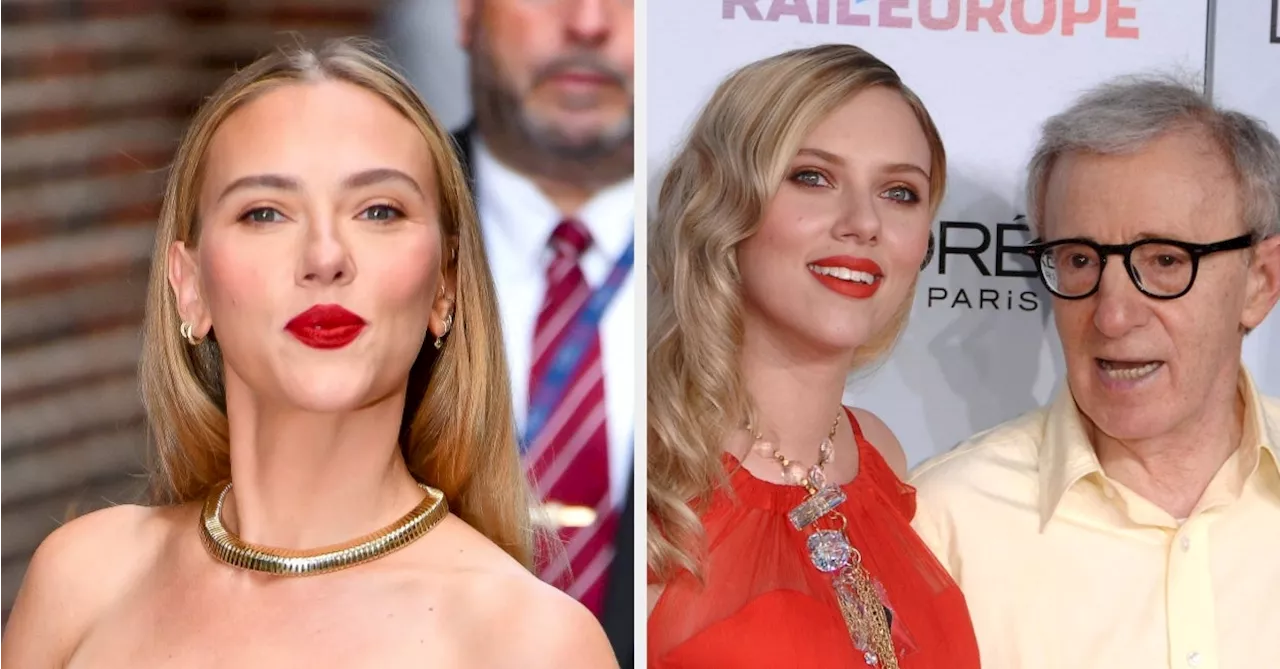
Scarlett Johansson recently addressed the ongoing controversy surrounding her support for director Woody Allen, reaffirming her belief in his innocence. This statement has ignited a wave of criticism, particularly as more actors publicly distance themselves from Allen due to allegations of sexual abuse made by his stepdaughter, Dylan Farrow.
In an interview with The Hollywood Reporter, Johansson reflected on her past comments from March 2019, where she expressed her unwavering support for Allen despite the serious accusations against him. “I have been very direct with him, and he’s very direct with me. He maintains his innocence, and I believe him,” she stated. This declaration has drawn sharp responses from both fans and industry peers who feel her stance is increasingly untenable.
Johansson acknowledged the complexity of public opinion, remarking, “Everyone has a hard time admitting when they’re wrong about stuff. And for all of that to come out publicly, it can be embarrassing.” She emphasized the importance of personal integrity, stating, “My mom always encouraged me to be myself, that it’s important to have integrity and stand up for what you believe in.”
The backlash against Johansson’s comments highlights a broader cultural shift within Hollywood, where many individuals now advocate for accountability and support survivors of abuse. As she navigates this tumultuous landscape, Johansson expressed an understanding of the potential consequences of her choices. “You never know what the domino effect is, exactly,” she said, adding, “Sometimes it’s just not your time. And that’s something I’ve understood more as I’ve matured.”
Despite the controversy, it appears that Johansson’s career trajectory has not been significantly impacted by her support for Allen. She remains a prominent figure in the film industry, continuing to take on major roles and projects.
The dialogue surrounding Johansson’s comments reflects a larger discussion about the responsibilities of public figures in addressing complex social issues. As the entertainment industry grapples with the implications of the #MeToo movement, Johansson’s reflections serve as a reminder of the personal and professional challenges faced by those who choose to take a stand.
As discussions about accountability and support for survivors continue to evolve, Scarlett Johansson’s stance offers insights into the ongoing struggle to balance personal beliefs with public perception. In a rapidly changing cultural landscape, her words resonate with the complexities of integrity and the impact of one’s choices on both personal and societal levels.