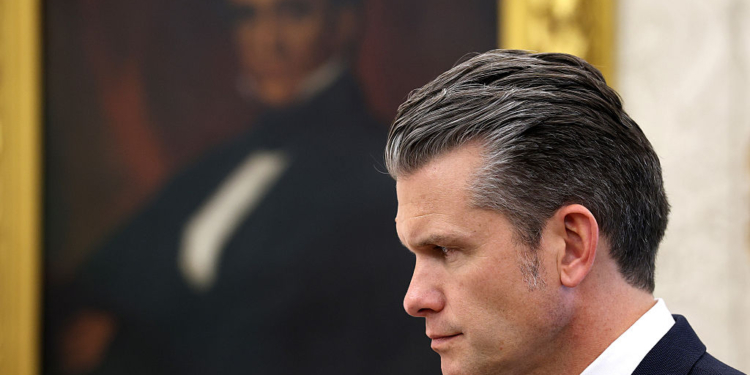
URGENT UPDATE: The Pentagon is facing intense scrutiny after limiting access to critical press briefings, allowing only a select group of newly credentialed media outlets chosen by Defense Secretary Pete Hegseth. This controversial decision, made public just hours ago, coincides with ongoing investigations into U.S. military strikes on suspected drug traffickers in the Caribbean and eastern Pacific.
According to reports from The Associated Press, these restricted briefings are part of a newly established onboarding process for a revamped Pentagon press corps, heavily comprising conservative outlets. The Pentagon claims these measures are designed to prevent the spread of classified information, labeling the new guidelines as “common sense.” However, critics argue that they essentially force media to report only what the Pentagon approves.
Scheduled briefings include Pentagon press secretary Kingsley Wilson on Tuesday, followed by Hegseth on Wednesday. Major news organizations, including CNN, Reuters, and The Washington Post, confirmed they were denied access to these briefings, raising alarms about transparency and accountability.
Marc Lavine, North America regional director for Agence France-Presse, highlighted the implications of this decision: “Denying access to credible and nonpartisan news media is not conducive to transparency for the American public, who fund the department’s budget to the tune of many hundreds of billions of dollars per year.”
As the situation develops, it remains unclear if future briefings will continue under similar restrictions. During the latter part of Donald Trump‘s presidency, Pentagon briefings became increasingly sporadic. Reports indicate that livestream access may not be available for these sessions, further limiting public visibility.
The implications of this media access restriction come amid allegations against Hegseth regarding military actions. The Washington Post recently reported claims that Hegseth ordered a second strike in September on a vessel linked to drug smuggling, a move that critics warn could constitute a war crime if proven true. Hegseth has publicly denied these claims, adding another layer of urgency to the ongoing discourse.
Among the newly credentialed reporters is Laura Loomer, a known ally of Trump, who shared a photo of her official badge. This has prompted reactions from established journalists, including a pointed comment from Dan Lamothe of The Washington Post questioning the new media corps’ legitimacy.
In a statement, Rob Bluey, president of The Daily Signal, expressed optimism about the new standards, stating, “When government agencies err on the side of transparency, it is to the benefit of the American people.”
As the Pentagon navigates this controversy, all eyes are now on the upcoming briefings and the potential fallout from these significant decisions. What happens next could reshape the relationship between the military and the media, impacting how information is conveyed to the public in the coming weeks.