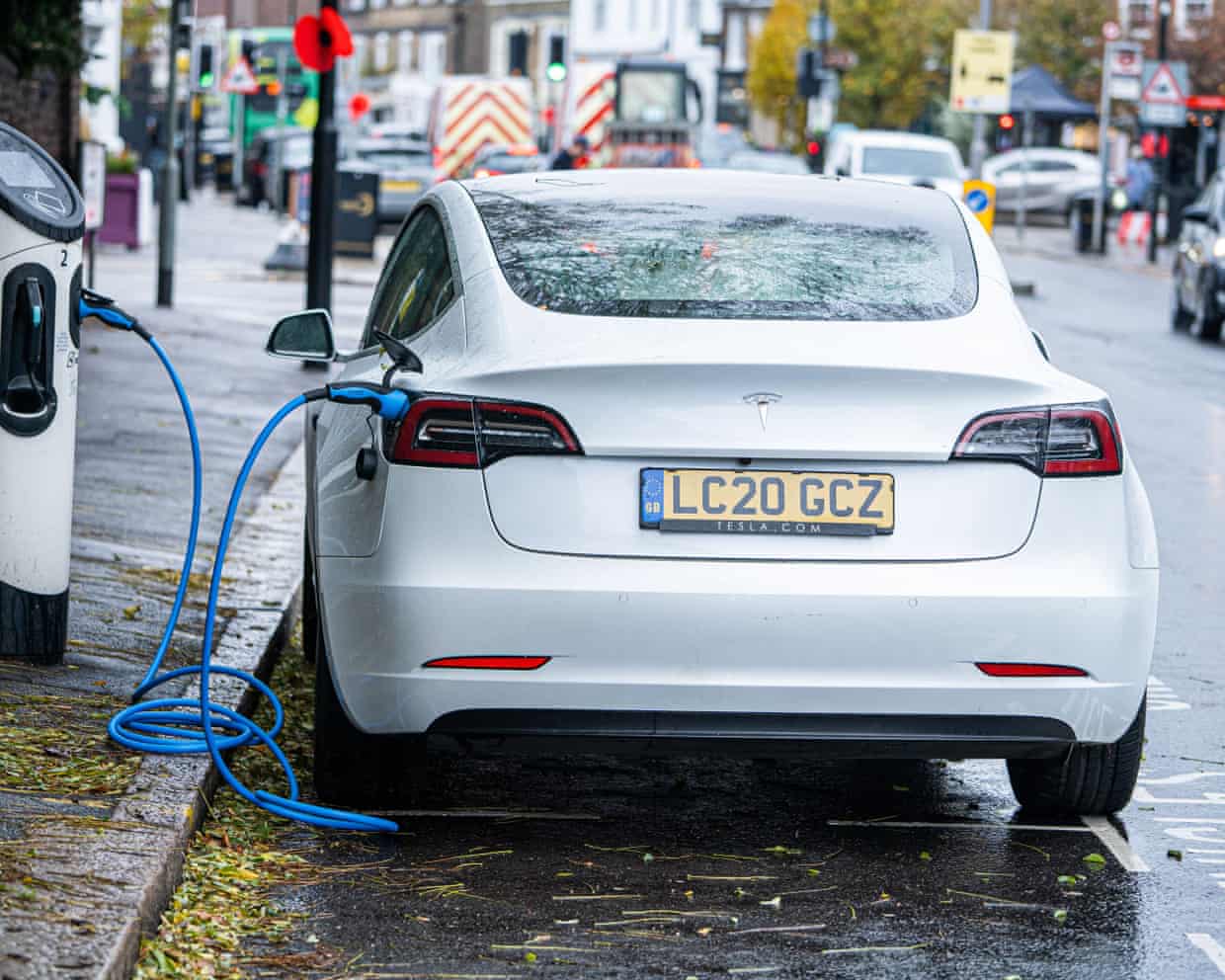
Tesla has issued a private warning to the UK government, indicating that any weakening of electric vehicle (EV) regulations could adversely affect sales of battery-powered cars and jeopardize the country’s ability to meet its carbon dioxide reduction targets. This information has emerged from documents obtained by the Fast Charge, a newsletter focused on electric vehicles, which detail the electric carmaker’s concerns during a recent government consultation.
The Labour government, in April 2023, raised alarms among electric car manufacturers by diluting the zero-emission vehicle (ZEV) mandate. This mandate mandates an increase in annual EV sales, but the introduction of new loopholes has enabled manufacturers to continue selling petrol and diesel vehicles. Critics argue that these changes, coupled with new taxes on electric cars introduced in the recent budget, could further diminish consumer demand for EVs.
Tesla’s Concerns About Regulatory Changes
In its submissions, Tesla emphasized that maintaining robust EV regulations is “essential” for the continued growth of electric car sales. The company warned that introducing additional loopholes, referred to as “flexibilities,” would “suppress battery electric vehicle (BEV) supply” and have significant emissions consequences. Tesla cautioned that such changes risk the UK failing to meet its carbon budgets.
Chancellor Rachel Reeves further unsettled the automotive sector with a proposal for a “pay-per-mile” charge on electric cars set to take effect in 2028. This initiative is anticipated to make EVs less appealing compared to traditional petrol and diesel models. Despite these concerns, the Chancellor also extended grants for new electric vehicles, a decision welcomed by the industry.
According to Tom Riley, the author of Fast Charge, the recent budget has created confusion within the EV market. He stated, “Just as the EV transition looked settled, the budget pulled it in two directions at once – effectively robbing Peter to pay Paul.” Riley suggested that if car manufacturers advocate for a softer mandate, the Labour government would be responsible for any resulting failures to meet climate targets.
Industry Reactions and Future Implications
Several car manufacturers, including BMW, Jaguar Land Rover, Nissan, and Toyota, expressed their concerns during the consultation, arguing that the weakened mandate is detrimental to investment, as they currently sell electric vehicles at a loss. Nevertheless, environmental advocates and brands focused on electric vehicle production maintain that the existing rules are effectively driving sales. No carmakers have reportedly faced penalties for their sales performance in 2024.
Ford and Mercedes-Benz joined Tesla in opposing the sharing of their responses to the consultation, which were obtained through a freedom of information request. The documents revealed that Tesla called for support for the used-car market, although the specifics of this support remain unclear. In contrast, Ford and Mercedes-Benz have lobbied against stricter regulations after 2030, which could potentially allow them to sell more polluting vehicles for an extended period.
Ford has criticized European governments for retracting support for electric vehicle sales, noting that “policymakers in many European jurisdictions have not delivered their side of the deal.” The company has shifted its stance after previously supporting more stringent targets, highlighting concerns about competition from Chinese manufacturers that benefit from lower costs.
Mercedes-Benz has proposed reducing VAT on public charging from 20% to 5% to align it with home electricity rates. Additionally, the company suggested that the UK government should consider implementing a price cap on public charging rates. Tesla also advocated for banning the sales of plug-in hybrid electric vehicles with a battery-only range of less than 100 miles after 2030, a limitation that would exclude many popular models from the market.
As the debate over EV regulations continues, the future of the electric vehicle market in the UK remains uncertain. The decisions made by policymakers in the coming months could significantly impact the industry’s trajectory and the nation’s environmental goals.