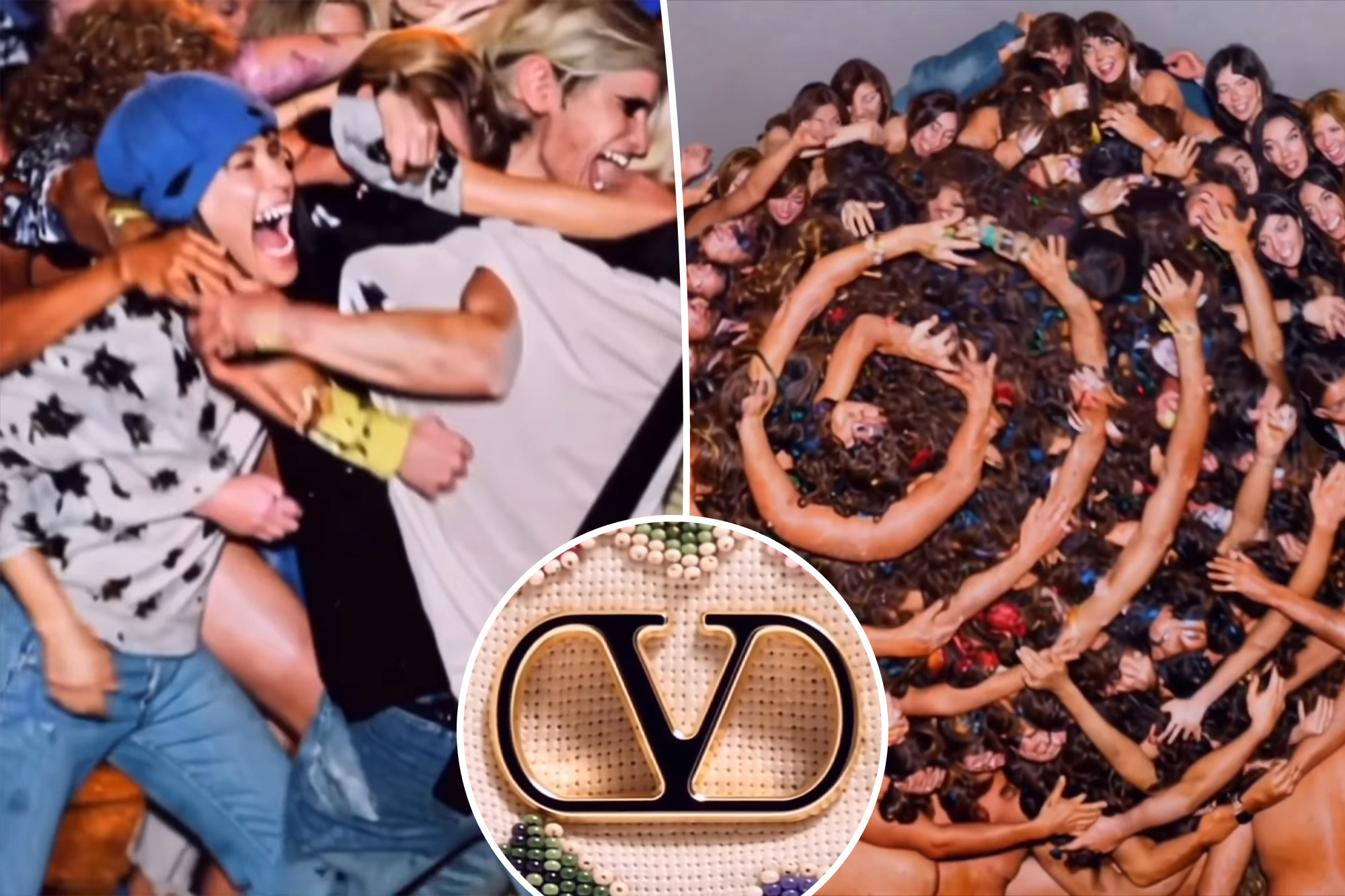
Valentino is facing significant criticism following the release of an advertisement featuring Artificial Intelligence, which many fashion influencers have deemed “tacky” and “lazy.” The Italian luxury couture brand aimed to promote its new DeVain handbag through a collaboration with various artists, including a video by the multi-disciplinary artist known as Total Emotional Awareness. This video depicts a surreal interaction between models seemingly emerging from the designer handbag, with the Valentino logo transforming into human arms.
The initial reaction from the fashion community has been overwhelmingly negative. Trendsetters have mocked the ad, calling it “cheap” and expressing disappointment that a luxury brand would resort to AI for its marketing efforts. One critic remarked, “Call me a hater, but this feels cheap and not on brand.” Another added, “AI does not match luxury and craftsmanship,” while a third lamented the presence of such content on their feed, stating, “Didn’t think the AI slop on my feed would be coming from Valentino.”
Brand Image and Perception of AI
Critics argue that the backlash highlights a broader sentiment regarding AI in the luxury sector. Dr. Rebecca Swift, senior vice president of creative at Getty Images, stated in an interview with BBC that people tend to view AI-generated content as “less valuable” than work created by humans. She noted, “While people are excited by AI-generated content for personal use, they hold brands to a higher standard, especially expensive brands.” Dr. Swift emphasized that even transparency about the use of AI did not suffice to win over sceptical audiences.
The conversation continues with input from Anne-Liese Prem, head of cultural insights and trends at creative digital agency Loop. She suggests that the issue extends beyond the use of AI; it involves how the technology is perceived in the context of brand identity. “When AI enters the visual identity of a brand, people worry that the brand is choosing efficiency over artistry,” Prem explained.
Emotional Connection in Luxury Branding
Prem acknowledged Valentino’s intention to be open about its use of AI, stating that the brand had “the right instinct.” Nonetheless, she noted that the reaction reveals a deeper cultural tension. “Without a strong emotional idea behind it, generative AI can make luxury feel less human at a moment when people want human presence more than ever,” she added.
The controversy surrounding Valentino’s AI advertisement highlights a critical juncture in the intersection of technology and luxury branding. As the fashion industry grapples with the implications of AI, the response to this ad suggests that consumers still value the human touch in creative endeavors, particularly in high-end markets. The future of AI in fashion may depend on brands’ ability to blend innovation with a genuine emotional connection to their audiences.