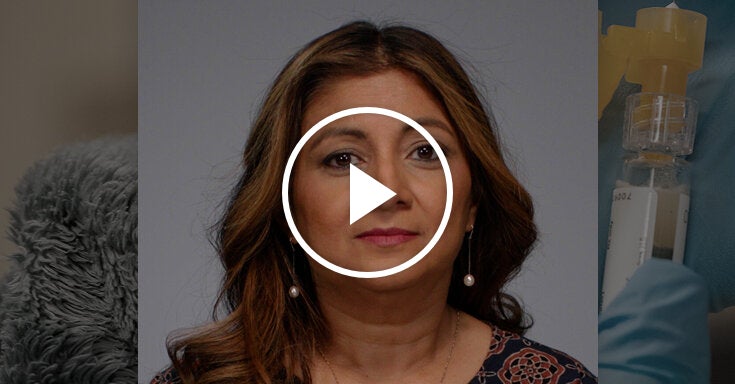
Advisers to Health Secretary Robert F. Kennedy Jr. are preparing to implement significant alterations to the childhood vaccination schedule in the United States. This proposed change could have a profound impact on vaccine accessibility and public health initiatives aimed at preventing infectious diseases.
A report by science and global health journalist Apoorva Mandavilli in The New York Times outlines potential outcomes of these changes. The advisers are expected to reassess the necessity of various vaccines, which could lead to fewer vaccines being recommended for children. This shift raises concerns among health professionals and advocates who emphasize the importance of maintaining high vaccination rates to safeguard public health.
The current childhood vaccination schedule has been developed based on extensive research and epidemiological data, which support the efficacy and safety of vaccines. Should the advisers’ recommendations lead to a reduction in the number of vaccines recommended, there is a risk that vaccination rates may decline. This decline could result in outbreaks of vaccine-preventable diseases, putting vulnerable populations, including infants and those with compromised immune systems, at greater risk.
Public health officials stress the importance of vaccines in controlling diseases such as measles, mumps, and rubella. Historical data indicate that before widespread vaccination, these diseases caused significant morbidity and mortality among children. The potential reduction in vaccination could reverse decades of progress made in public health.
According to experts, the implications of these decisions extend beyond just the immediate health of children. The impact on healthcare systems could be substantial, leading to increased healthcare costs associated with treating outbreaks and complications from preventable diseases.
The proposed changes come at a time when public trust in vaccines has already been tested by misinformation and vaccine hesitancy. Health advocates argue that any reduction in recommended vaccines may further exacerbate these challenges, leading to increased skepticism about vaccine safety and efficacy.
As the advisers finalize their recommendations, health organizations worldwide are closely monitoring the developments in the United States. The outcomes of these discussions may not only influence national vaccination policies but could also set a precedent for other countries grappling with similar issues.
The situation underscores the critical balance between public health policy and individual health choices. Stakeholders from various sectors, including healthcare providers, public health officials, and parents, are likely to weigh in as the recommendations are released.
In conclusion, the potential changes to the childhood vaccination schedule proposed by advisers to Robert F. Kennedy Jr. warrant careful consideration. The effects on vaccine accessibility and public health could be significant, emphasizing the need for informed decision-making based on scientific evidence and public health principles.