Smart TVs can start to feel outdated even when their screens remain pristine. A few innovative DIY projects can breathe new life into these devices, enhancing functionality and user experience without the need for costly replacements. By implementing these upgrades, users can significantly improve their viewing experience while utilizing existing hardware and low-cost solutions.
Upgrade to an AI-Powered Universal Remote
One of the most impactful enhancements is creating an AI-driven universal remote using a Pico W or ESP32 microcontroller. This upgrade provides unparalleled control over your entertainment system, allowing you to program every infrared command your devices require. This flexibility is particularly beneficial for setups that include both older and newer hardware, which may not have been designed to work together.
Once programmed, this universal remote becomes a single control hub, reflecting your unique usage patterns. Integrating it with Home Assistant unlocks advanced features, such as adjusting lighting, switching inputs, and modifying volume levels with a single voice command. Over time, users can create automations that respond to specific conditions, transforming the remote from a basic clicker to a personalized control device. The compact size of the microcontroller allows for discreet placement behind the TV or on a console shelf, while its infrared emitters ensure clear command transmission.
Establish a Server-Backed Media Library
Setting up a media server with platforms like Jellyfin or Plex can revolutionize how you access and manage your movie and TV show collections. These services catalog your media, presenting it with rich artwork and comprehensive metadata, all while providing a consistent interface across devices. This eliminates reliance on built-in, often outdated, apps that can slow down performance.
A dedicated server takes on the heavy lifting, including transcoding and metadata generation. This setup is particularly advantageous for older TVs that may struggle with certain codecs or high-bitrate files. By ensuring that your TV receives only streams it can comfortably handle, you will experience fewer playback issues and smoother navigation. Pairing the server with a lightweight client app, such as the official Jellyfin or Plex app, enhances the experience, making media browsing enjoyable and reliable.
Enhance Privacy and Performance with Pi-hole
Installing Pi-hole on a Raspberry Pi can protect your entire home network from intrusive advertisements and tracking domains. Smart TVs often generate significant traffic, including sending analytics data and pulling ads for built-in menus. By filtering these requests, Pi-hole improves the overall performance of your TV, leading to faster load times and a less cluttered interface.
The installation process is straightforward and does not require complex configuration on the TV itself. Pi-hole manages DNS requests for all devices on your network, applying curated blocklists to target known smart TV ad services. Users often notice an immediate improvement in performance, as well as enhanced privacy by blocking telemetry domains that collect personal viewing data.
Transform Your TV into a Smart Photo Display
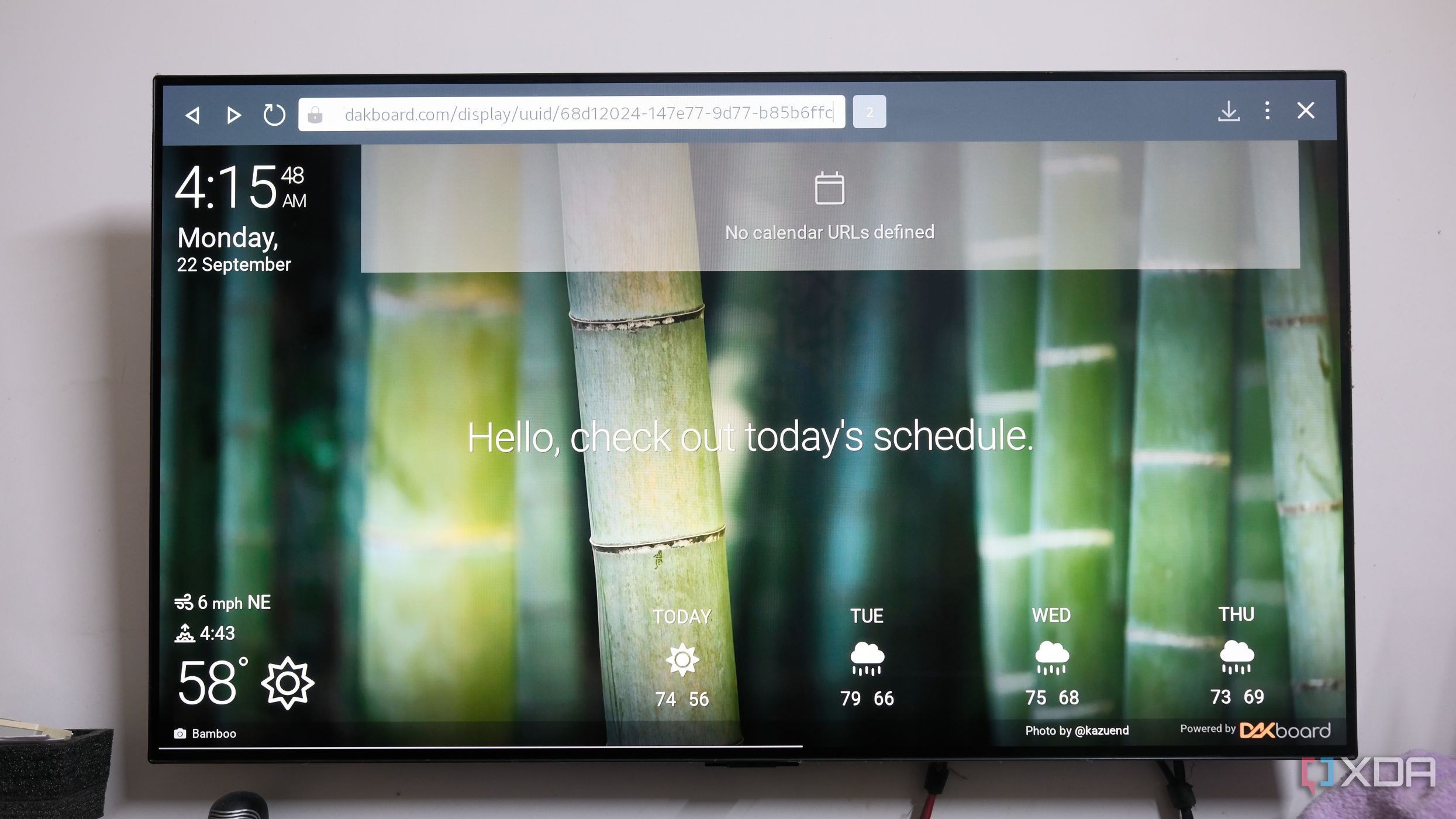
Another creative project involves converting your TV into a digital photo frame. Utilizing a Raspberry Pi, users can run a simple slideshow script or connect through Home Assistant to display a dynamic dashboard of images. This functionality adds a personal touch to your living space, particularly during times when the TV is not in use.
By linking the slideshow to shared cloud albums, family members can contribute new pictures seamlessly. As new images are added, they appear on the TV within minutes, creating an ongoing connection among household members. Scheduling the slideshow for specific times or during idle moments enhances the experience, while adding widgets for weather updates or calendar reminders increases practicality.
Add Dynamic Ambient Lighting
Installing ambient lighting using systems like WLED or Hyperion dramatically enhances your viewing experience. These systems analyze colors at the edges of the screen and project them onto LED strips behind the TV, creating a more immersive environment. The soft glow extends the perceived boundaries of the screen, making it feel larger and enriching the viewing experience.
A Raspberry Pi or ESP32 controls the color capture and lighting effects, ensuring a fluid response to on-screen actions without noticeable delays. Users can choose different lighting modes based on their mood or content type, making it a visually striking upgrade. Additionally, these lighting systems can integrate with smart home setups, allowing for automated adjustments based on the time of day or other conditions.
These five projects demonstrate how targeted, inexpensive upgrades can transform the experience of using a smart TV. Each improvement addresses specific limitations, resulting in a more enjoyable and modern setup. With a little creativity and effort, an aging smart TV can feel renewed and revitalized, enhancing daily viewing experiences without the need for a costly replacement.