BREAKING: A fascinating new report reveals the 19 biggest fads that older adults now consider epic flops. These trends, once hailed as the “next big thing,” failed to capture lasting popularity, leaving many wondering what went wrong.
In a recent survey, older adults shared their reflections on fads that generated massive hype but ultimately fizzled out. The responses highlight a range of trends from the metric system in the US to the infamous New Coke, with many recalling how excitement turned to disappointment almost overnight.
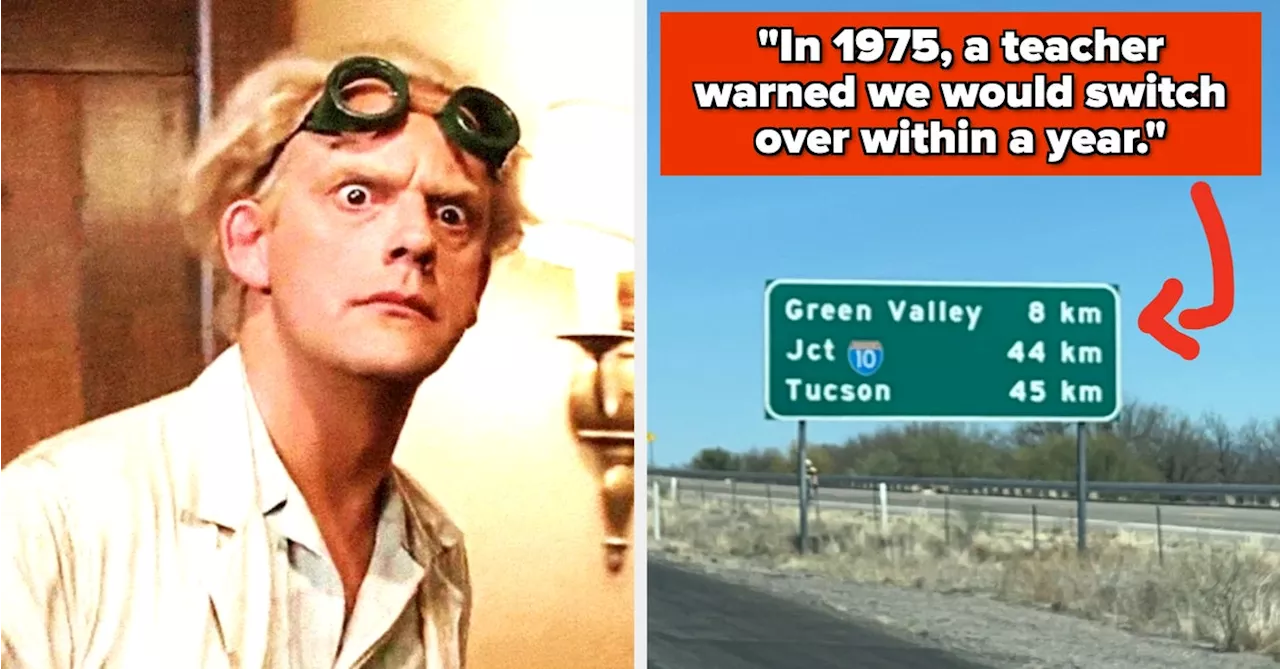
One participant reminisced about the metric system’s ambitious rollout in 1975. “Everything was all set for the conversion, including highway signs covered in plastic for the launch day. And then, POOF! It all just went away,” they said. This sentiment resonates with many who witnessed similar overhyped trends vanish without a trace.
Another notable flop discussed was New Coke, which was marketed as an improvement to the classic flavor. “Before New Coke was introduced, ads touted classic Coke because Pepsi was too sweet,” an older adult recounted. The backlash was swift, leading to a return to the original formula just three months later.
The 1980s introduced several fads that didn’t quite stick, including the slogan “Just say no,” aimed at curbing teenage drug use. One participant noted, “If you say they can’t do or try something, they’ll likely try or do it.” This highlights the unintended consequences of marketing aimed at youth.
Other notable mentions included the Segway, which was expected to revolutionize personal transportation but fell short after its 2001 release. “We all considered home power generation, pollution mitigation, and other related issues, but it didn’t live up to the hype,” shared an older adult reflecting on the invention.
The flavored malt beverage Zima was also highlighted as an example of a product that arrived too early. “It was just 30 years too early,” one respondent said, noting the current popularity of flavored drinks.
Moreover, the advent of social media brought forth Google+, which was launched in 2011. Despite significant backing from Google, it quickly faded into obscurity. “Everyone looked at their empty Circles and thought, ‘Why are we here?'” a user recalled. This stark failure of engagement is a cautionary tale for future platforms.
These stories resonate on a personal level, with older adults reflecting on their experiences with fads that promised much but delivered little. Many expressed feelings of nostalgia, mixed with humor and frustration over trends that seemed destined to fail from the start.
The report serves as a reminder that not all innovations stand the test of time. As trends continue to emerge in today’s fast-paced society, it begs the question: which current fads will end up as future flops?
As we navigate an ever-evolving landscape of trends, this collection of reflections from older generations provides valuable insight into the nature of hype and the fleeting nature of popularity.
What fads do you remember that ultimately disappointed? Share your thoughts in the comments below or use the provided form.
Stay tuned for more updates as we explore the trends shaping our past and present.