Recent scientific discoveries have captivated researchers and the public alike, with significant findings reported from various corners of the globe. This week brought revelations about ancient human populations, cosmic phenomena, and advancements in water extraction technology.
Ancient Human Populations and Cosmic Discoveries
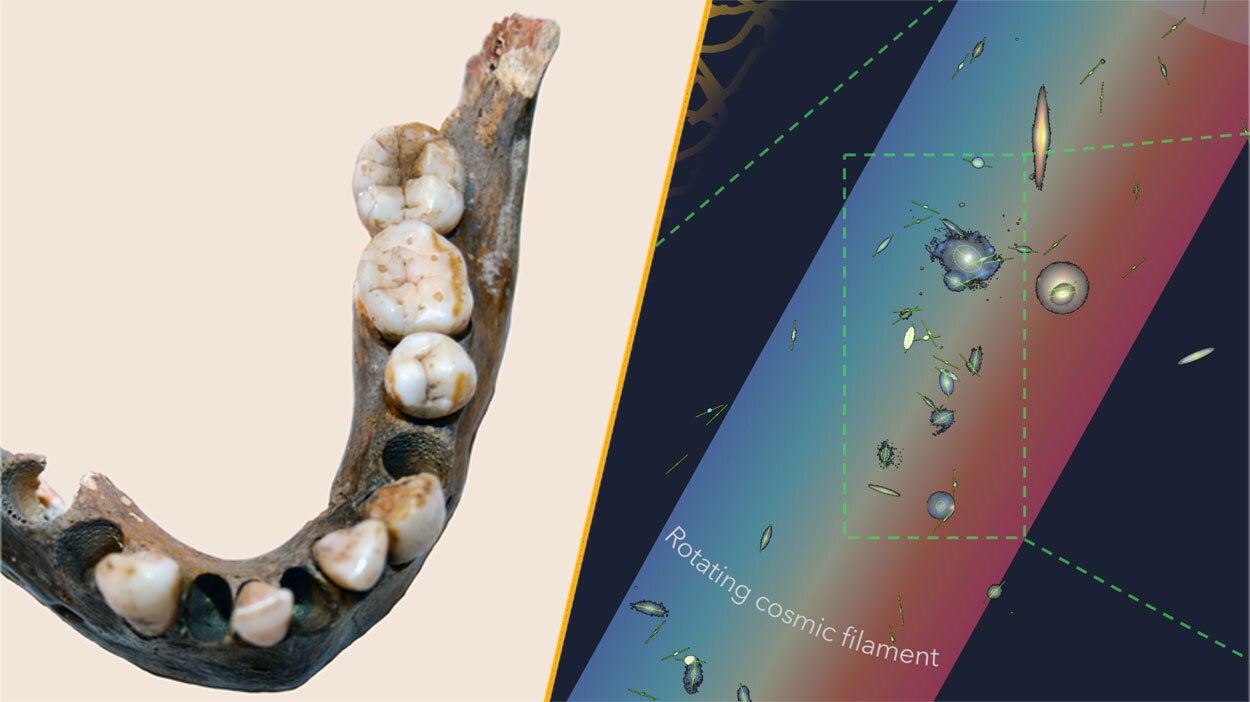
In southern Africa, a groundbreaking study revealed that a human population remained genetically isolated for a remarkable 100,000 years. Researchers examined skeletons dating up to 10,000 years old found south of the Limpopo River, a vital waterway in the region. The findings indicated that individuals from this ancient group exhibited a genetic makeup markedly different from contemporary humans. The study’s authors noted that these individuals represent “an extreme end of human genetic variation.”
Meanwhile, in the realm of astronomy, scientists have identified the largest spinning object in the universe, located approximately 140 million light-years from Earth. This colossal rotating filament, which is wider than the Milky Way, is linked to a chain of 14 galaxies. The filament spins at an impressive velocity of around 68 miles per second (110 kilometers per second), offering a profound insight into cosmic structures.
Across the globe in China, archaeologists unearthed a massive pit filled with skulls near a 4,000-year-old city. Notably, the majority of the skulls belonged to males, diverging from the typical sacrificial patterns observed in other nearby settlements. In Greece, the discovery of a 2,700-year-old tomb containing a woman adorned with an upside-down crown has puzzled experts, prompting questions about ancient burial practices.
Technological Innovations and Environmental Challenges
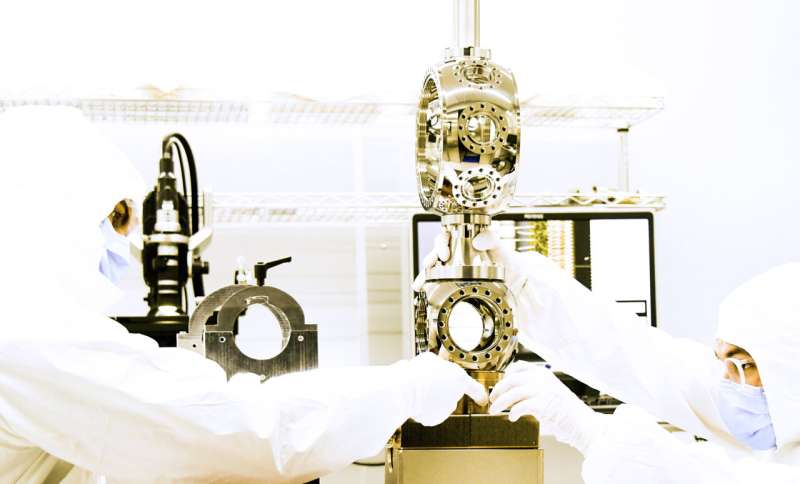
In a notable advancement, engineers at the Massachusetts Institute of Technology (MIT) have developed a method to extract drinking water from the air. This innovative technique employs ultrasound to shake water from spongy materials, achieving efficiency levels 45 times greater than traditional evaporation methods. While the system requires a power source, researchers are exploring options to integrate solar technology, making it viable even in arid regions.
In an analysis of unintended consequences, a long-term ecosystem engineering project in China, known as the Great Green Wall, aimed to combat desertification. Although successful in its initial goals, the project has altered rainfall and evaporation patterns, leading to reduced water levels in some of the country’s most populous areas.
The records of the world’s hottest temperature, set in Death Valley in December 1913, are also under scrutiny. New research suggests that human error may have played a role in establishing this extreme measurement. In Europe, scientists warn that the collapse of a key Atlantic current could trigger extended periods of drought, raising alarms over future climate stability.
In the cosmos, interstellar comet 3I/ATLAS continues to intrigue astronomers. Recent observations from the Joan Oró Telescope at the Montsec Observatory in northeastern Spain revealed that the comet exhibits spiral jets, possibly indicating the presence of “ice volcanoes.” As it approaches the sun, the comet’s rapid heating and brightening suggest that ice is sublimating from its surface, akin to other celestial bodies in our solar system.
These diverse scientific discoveries highlight the dynamic nature of research and the continuous quest for knowledge that shapes our understanding of both our planet and the universe beyond. As investigations into the past and future progress, humanity stands to gain deeper insights into the intricate tapestry of life and the cosmos.