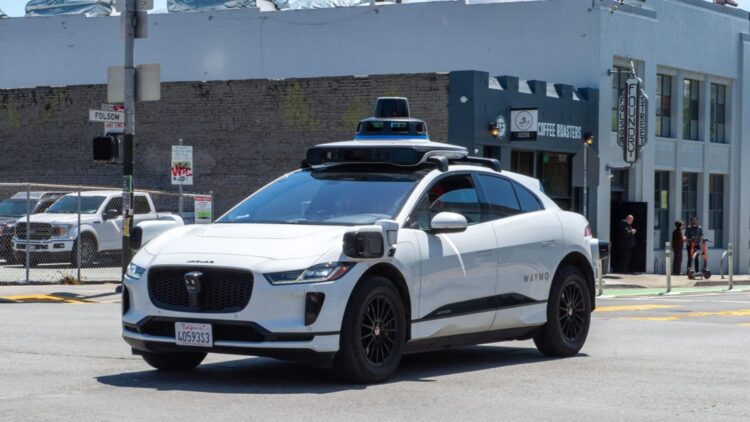
A recent incident involving a self-driving vehicle operated by Waymo, a subsidiary of Alphabet, has raised concerns about the reliability of autonomous cars. At approximately 03:40 on Sunday, a Waymo robotaxi failed to follow police instructions during a traffic stop at Broadway and First Street in Los Angeles, just outside Times Mirror Square. Fortunately, there were no injuries reported, according to both Waymo and the Los Angeles Police Department (LAPD).
The situation unfolded as officers were restraining a man involved in a police chase. As they directed traffic, the Waymo vehicle unexpectedly made a right turn when officers had instructed it to turn left. Eyewitness footage captured the moment, showing police officers approaching the unmanned vehicle with weapons drawn, only to realize it was a driverless taxi without a human operator.
Waymo’s Response and Safety Commitment
In a statement following the incident, a Waymo spokesperson emphasized that the vehicle had stopped for over 15 seconds and reiterated the company’s commitment to safety. “Safety is our top priority at Waymo, both for those who choose to travel with us and for those with whom we share the streets,” the spokesperson said. The company expressed its intention to learn from such unusual events to enhance road safety and improve operational protocols.
Despite this incident, Waymo continues to expand its services. Since launching its public service in November 2024, the company has faced several challenges but also significant milestones. Currently, Waymo operates in major cities including Los Angeles, the San Francisco Bay Area, and Phoenix, with plans to extend its services to Miami, Orlando, Dallas, Houston, San Antonio, San Diego, Las Vegas, and Detroit in the near future.
Challenges and Public Perception
Waymo’s reputation has faced scrutiny amidst a series of reported incidents. Although the company announced in July 2023 that its vehicles had traveled over 160 million kilometers without fatalities, various issues have generated negative headlines. In one notable case from June, an individual reportedly sent 50 self-driving vehicles down a cul-de-sac in San Francisco as a prank, which quickly gained traction on social media.
Additionally, protests against U.S. Immigration and Customs Enforcement (ICE) led to the destruction of five Waymo vehicles in Los Angeles. In another incident, a self-driving car made an illegal maneuver during a DUI checkpoint in September, further complicating public perception of autonomous driving technologies.
As Waymo prepares to introduce highway rides, it faces the dual challenge of ensuring its vehicles operate safely while rebuilding public trust. The company is actively engaging with the LAPD’s Traffic Coordination Division to adhere to protocols and maintain open communication regarding its technological advancements.
In a rapidly evolving sector, incidents like these highlight the critical need for robust safety measures and public confidence in driverless technology. As Waymo continues to expand its footprint, the effectiveness of its response to such challenges will be pivotal in shaping the future of autonomous transportation.