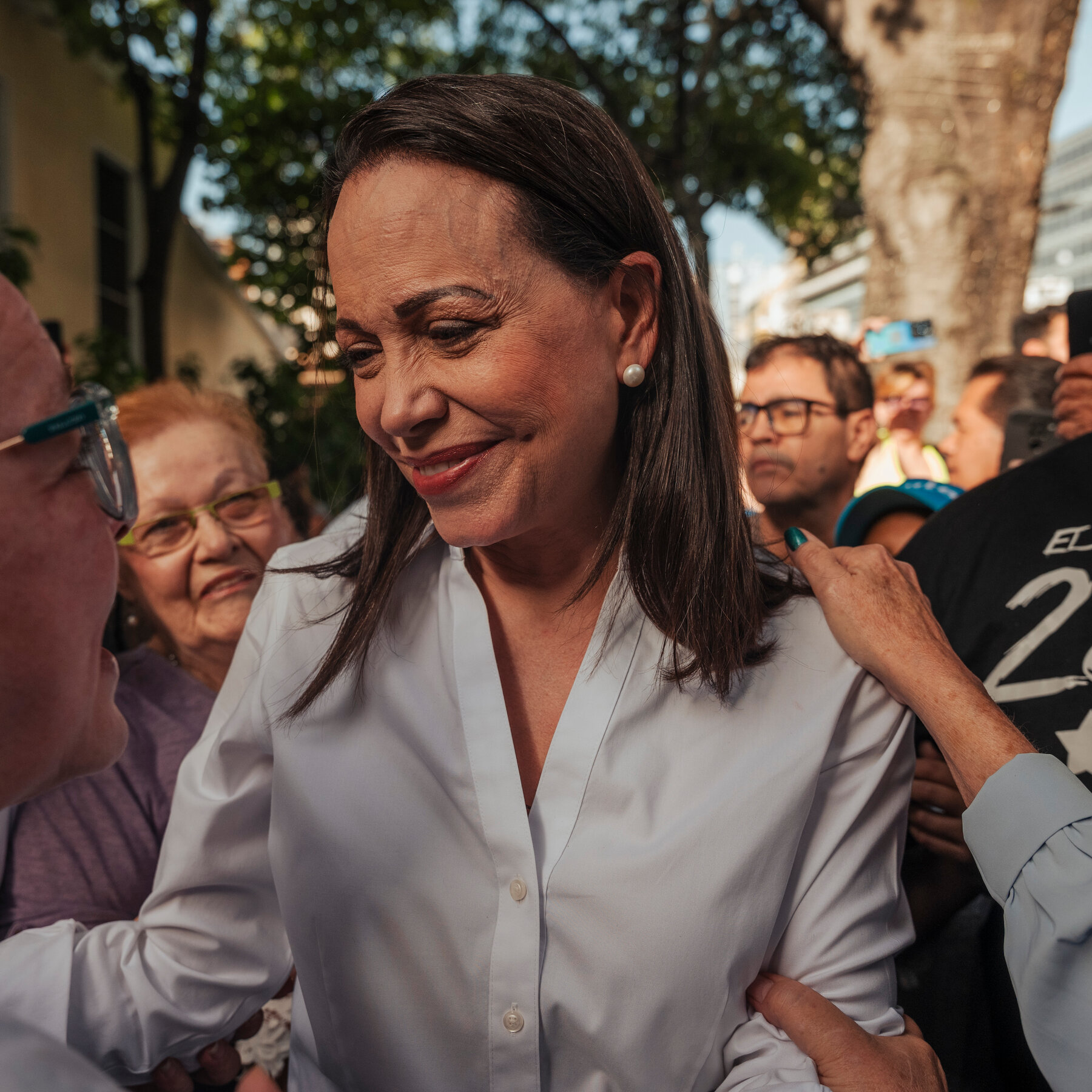
Venezuelan opposition leader María Corina Machado is set to travel to Oslo for the Nobel Peace Prize ceremony, but her government has issued a stark warning: she may be considered a fugitive upon her return. This declaration highlights the precarious situation Machado faces as she prepares to accept recognition for her efforts in advocating for democracy in Venezuela.
The Nobel Committee announced on October 6, 2023, that Machado would receive the prestigious award for her commitment to peace and human rights. This recognition comes at a time when Venezuela is grappling with severe political and economic crises. Machado’s leadership has made her a prominent figure in the struggle against the current regime, which has been marked by accusations of authoritarianism and human rights abuses.
Venezuelan officials have made it clear that Machado’s participation in the ceremony could have serious implications for her safety. The government’s warning suggests that her return could lead to potential legal action or even arrest, as authorities view her as a key figure challenging their authority. This situation raises significant concerns about the safety of political dissenters in Venezuela.
Implications of the Government’s Stance
The Venezuelan government’s response underscores the risks associated with political opposition in the country. Machado has previously faced threats and intimidation, and the government’s position may deter other activists from pursuing similar paths. Her situation serves as a poignant reminder of the challenges faced by those advocating for change in regimes that heavily suppress dissent.
The Nobel Peace Prize ceremony is scheduled for December 10, 2023, in Oslo. Machado has expressed her intent to attend, viewing the award as an opportunity to draw international attention to the plight of Venezuelans living under oppressive conditions. Her acceptance speech is expected to address the ongoing struggles faced by her fellow citizens, emphasizing the need for global solidarity in the fight for democracy.
International Reactions and Support
The international community has largely supported Machado, with various organizations backing her candidacy for the Nobel Prize. Prominent human rights groups have lauded her dedication and highlighted the importance of recognizing individuals who stand against tyranny. The attention brought by the award may also pressurize the Venezuelan government to reconsider its stance toward political activists.
As the date of the ceremony approaches, there will likely be increased scrutiny on the Venezuelan government’s actions and any attempts to undermine Machado’s participation. The global response to her potential arrest could prompt further diplomatic discussions regarding Venezuela’s human rights record and its treatment of opposition figures.
In summary, María Corina Machado stands at a critical juncture as she prepares to accept the Nobel Peace Prize. The risks she faces from the Venezuelan government highlight the broader issues of political repression in the country. Her journey to Oslo represents not only a personal achievement but also a significant moment for those advocating for freedom and democracy in Venezuela.