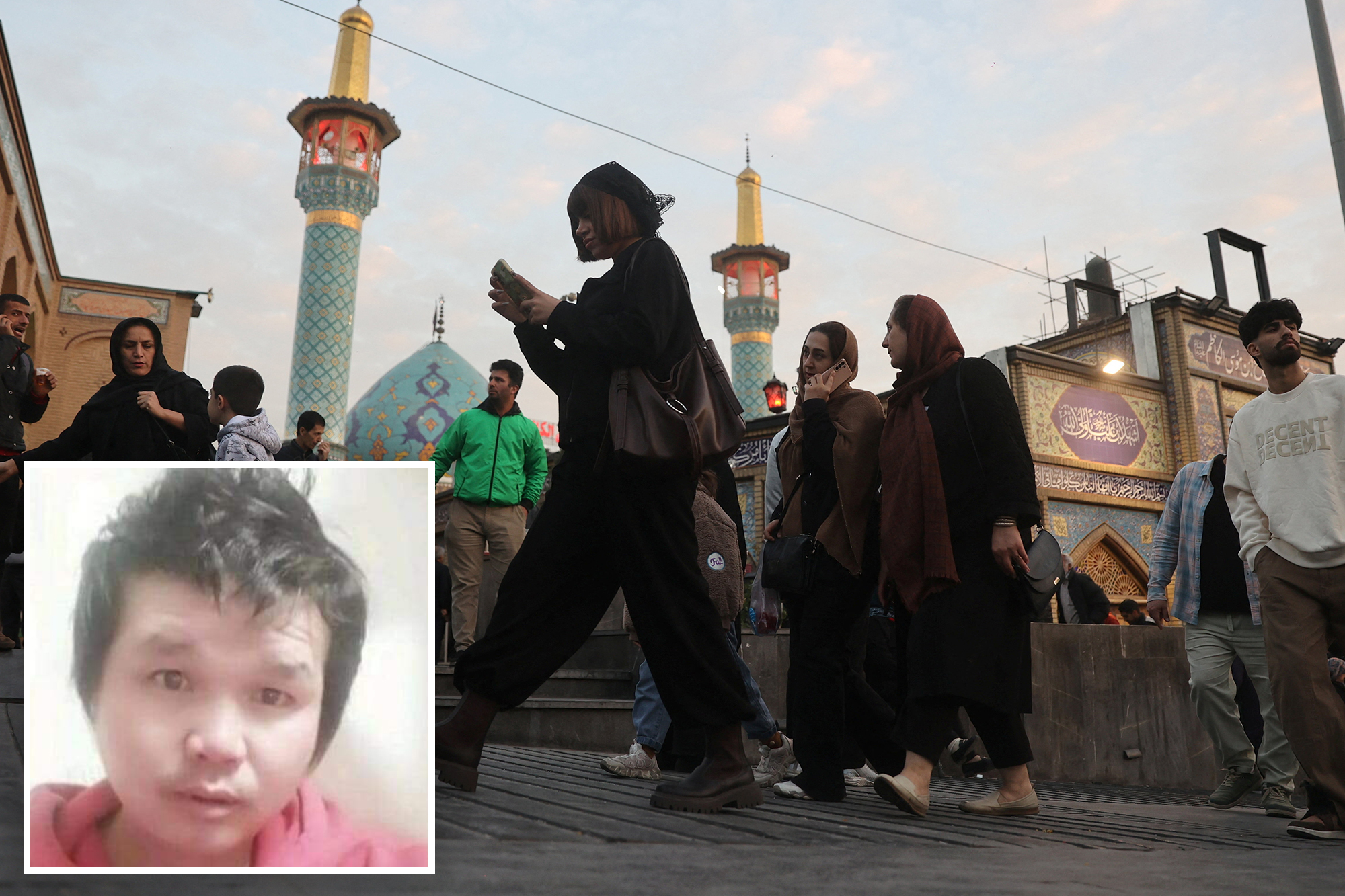
Iran reportedly attempted to coerce Thailand into withdrawing approximately 40,000 farm workers from Israel, hoping to exchange this for the release of Thai hostages taken by Hamas on October 7, 2023. This plan unfolded in the weeks following a violent attack that resulted in the deaths of 39 Thai citizens and the abduction of 31 others by the militant group. The situation escalated as Thailand sought ways to address the humanitarian crisis involving its citizens.
According to a report by The Jerusalem Post, the Iranian government engaged in talks with Thai officials and representatives from Hamas, including Mousa Abu Marzouk of Hamas’ political bureau. The negotiations aimed to leverage the withdrawal of Thai laborers, which could have severely impacted Israel’s agricultural sector and food production capabilities.
In response to the crisis, Thailand sent diplomats to Tehran to explore potential outcomes. Despite the intense pressure from Iran, the Thai government ultimately rejected the proposed deal. Within weeks, a cease-fire facilitated the release of 23 hostages, reducing the urgency for Thailand to comply with Iran’s demands.
The tragedy of the situation was underscored by the loss of three Thai workers, who were either killed during the initial attack or while held captive by Hamas. One of the last hostages to be returned, Sudthisak Rinthalak, was laid to rest in Thailand this week. He was working on a farm near the Gaza border when he was abducted, illustrating the personal toll of this conflict.
As the situation evolved, Thailand maintained a cautious approach. By mid-2024, the Thai government had reneged on its diplomatic ties with Israel, indicating a significant shift in its foreign policy in response to the ongoing conflict. In total, eight more Thai captives were returned over the course of the two-year war, highlighting the prolonged and complex nature of the crisis.
This incident reflects the broader geopolitical tensions in the region, with Iran’s influence attempting to reshape diplomatic relations through humanitarian crises. The fallout from this situation continues to affect both Thailand and Israel, as they navigate the repercussions of these events.