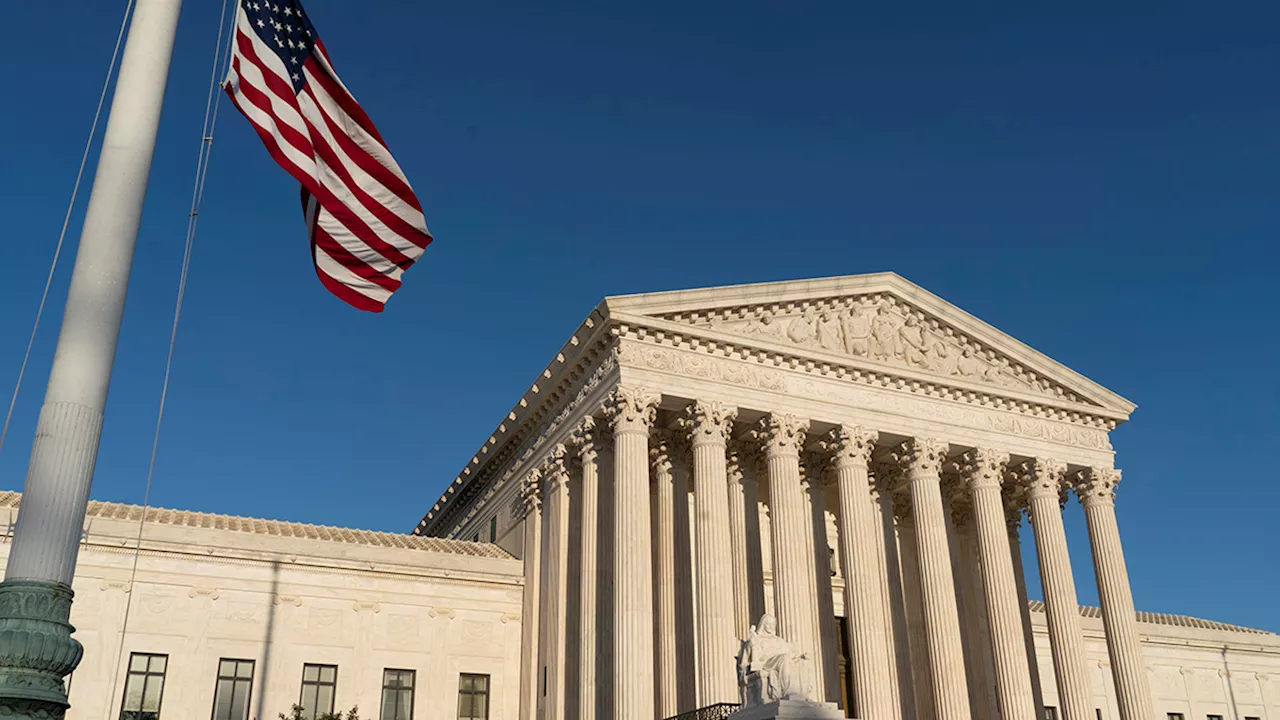
UPDATE: The Supreme Court has just announced it will hear President Donald Trump’s urgent appeal regarding his controversial order on birthright citizenship. This pivotal case could reshape over a century of legal precedent concerning who qualifies as an American citizen and is set to be argued in the spring of 2024.
Trump’s order, signed on January 20, 2023, claims that children born in the U.S. to parents who are in the country illegally or temporarily are not entitled to citizenship. This move is part of a broader immigration crackdown that faces multiple court challenges, and it has the potential to overturn the long-standing interpretation of the 14th Amendment.
The repercussions of this case are immense, as it could affect thousands of children born in the U.S. under current citizenship rules. Legal experts warn that if the Supreme Court upholds Trump’s order, it would dismantle the established understanding that anyone born on American soil is a citizen, with very few exceptions.
In previous rulings, lower courts have struck down Trump’s order, labeling it unconstitutional. The 9th U.S. Circuit Court of Appeals previously ruled that a nationwide injunction is necessary to prevent chaos across states if the order were to take effect in some regions but not others. Advocates argue that such a drastic change in policy would create significant legal and social upheaval.
The Supreme Court’s decision to take up this case comes amid a backdrop of mixed signals regarding Trump’s immigration policies. The justices recently blocked the use of the Alien Enemies Act for rapid deportations without court hearings but have allowed the resumption of immigration stops in specific areas, raising questions about their stance on immigration enforcement.
As the Supreme Court prepares to hear arguments, support for Trump’s order is evident, with 24 Republican-led states and 27 Republican lawmakers, including prominent figures like Senators Ted Cruz and Lindsey Graham, backing the administration. They argue that the children of noncitizens do not fall under the jurisdiction of the United States and should not automatically receive citizenship.
The stakes are high for countless families and communities across the nation. Advocacy groups are mobilizing to challenge the order, emphasizing that the 14th Amendment was designed to secure citizenship for all individuals born in the U.S., particularly to protect the rights of former slaves and their descendants.
Legal experts and citizens alike are closely watching this case, as it could redefine American citizenship for generations to come. With the hearing set for spring 2024, the nation waits anxiously for the Court’s ruling, which could be delivered by early summer.
Stay tuned for further updates on this critical issue that affects the fabric of American society.