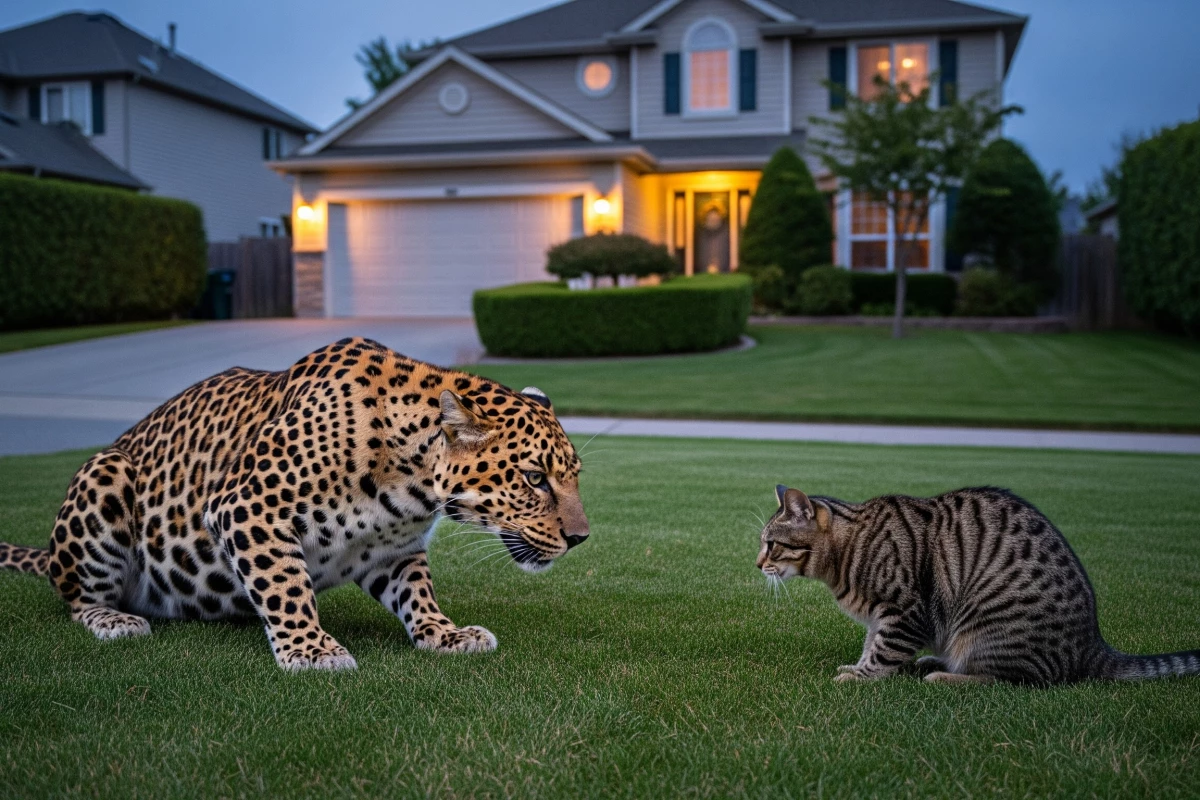
Social media is increasingly filled with AI-generated wildlife clips that blend real animal behavior with fabricated scenarios. Examples include leopards lounging in backyards and bunnies performing gymnastics on trampolines. While these videos may seem harmless, researchers warn they distort public understanding of wildlife and their environments. According to a study conducted by the University of Córdoba in Spain, such content can significantly alter perceptions of species behavior, ecological relationships, and rarity.
The rapid spread of these digital fabrications raises critical concerns. In one notable instance, a video of a leopard entering a yard and being chased away by a house cat garnered over a million likes and more than 15,000 shares. The lead author of the study, José Guerrero-Casado, emphasizes that these hyper-viral examples blur the line between authentic wildlife encounters and synthetic creations.
Impact on Conservation Awareness
The implications for conservation efforts are significant. When people encounter fabricated wildlife scenarios, they may start to view rare species as common or perceive dangerous animals as benign companions. This shift in perception affects how the public understands the natural world and the urgency of conservation efforts.
Research indicates that AI-generated content can lead to a misleading understanding of ecosystems. For instance, if children frequently see videos of raccoons and crocodiles playing together, they may begin to view this unnatural behavior as normal. Without accurate information to counter these impressions, the true behaviors and habitats of wildlife become obscured.
Co-author Rocío Serrano points out that this disconnection is particularly acute among younger audiences. Studies, such as the IncluScienceMe project, reveal a lack of knowledge about local fauna among primary school children. The proliferation of these misleading clips can create false connections with nature, ultimately hindering conservation efforts.
Recommendations for Addressing the Issue
To combat the spread of misleading wildlife content, researchers suggest implementing several measures. Clear labeling of AI-generated videos, improved oversight by social media platforms, and promoting transparency about what is real versus synthetic are crucial steps.
Education also plays a vital role. By informing the public about the creation of these clips and their rapid dissemination, people are less likely to mistake them for authentic wildlife encounters. As digital nature becomes more prevalent, it is essential to recognize the extraordinary aspects of real animals and the vulnerabilities they face.
The study highlights that the consequences of these fabrications extend beyond entertainment. They can significantly reshape public perception and erode the trust that conservation groups depend on for effective communication. Understanding the difference between genuine wildlife and AI-generated representations is vital for fostering a deeper respect for nature.
Ultimately, as AI-generated wildlife content continues to fill social media feeds, the challenge lies in preserving a clear vision of the natural world. The more aware individuals become of the distinction between real and synthetic wildlife, the better equipped they will be to appreciate and advocate for the preservation of fragile ecosystems. This research was published in the journal Conservation Biology, indicating a pressing need for awareness and action in the face of evolving digital landscapes.