Research indicates that common sleep positions could pose potential health risks beyond merely causing discomfort. Experts stress that the way individuals position themselves during sleep may lead to various issues, including pain, reflux, and even nerve-related symptoms that manifest the following day.
According to Todd Anderson, co-founder of Dream Performance & Recovery and host of the “Beat the Heat” podcast, the comfort of one’s sleep position is crucial. “What we care about is if someone is comfortable in their sleep position. Often times we sleep in certain ways because of comfort,” Shelby Harris, a clinical psychologist and behavioral sleep specialist, stated.
Despite the pursuit of comfort, sleeping in awkward positions can lead to greater discomfort. When the body remains in a static position overnight, it places stress on nerves, muscles, and ligaments. Experts clarify that sleeping curled up is not necessarily indicative of psychological stress. Instead, a physical approach to altering sleep positions may provide the best solution for relief.
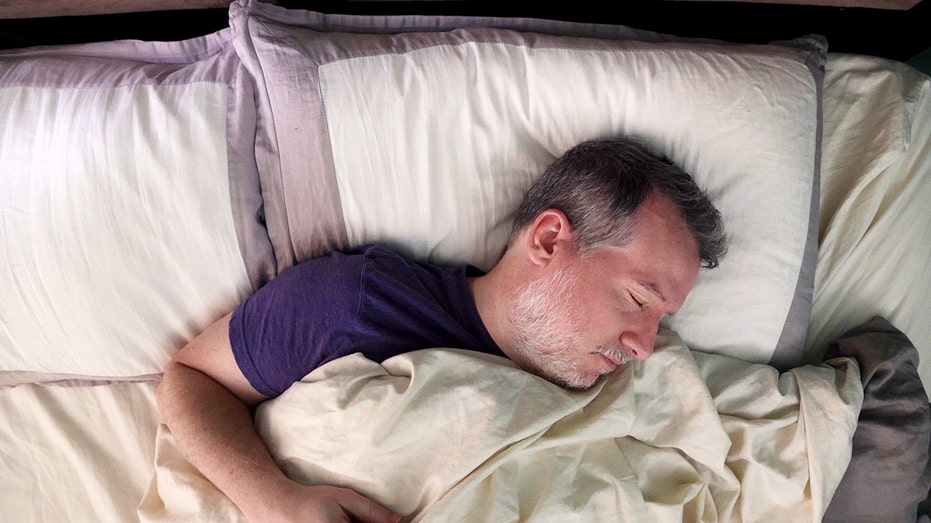
Sleeping with joints bent or limbs tucked can compress nerves and hinder circulation. Research highlights that positions, often referred to as the “T. rex position” in popular culture, can lead to numbness in the arms during the night, which is frequently linked to nerve compression. A recent review on cubital tunnel syndrome warns that sleeping with the elbow sharply bent or tucked under a pillow can exacerbate symptoms such as numbness and shooting pain in the forearm.
Evaluating Popular Sleep Positions
While back sleeping may be perceived as a way to keep arms untucked, experts from the Sleep Foundation indicate it can contribute to snoring and acid reflux. Understanding the benefits and risks of various positions is essential before making a switch.
Side sleeping is frequently recommended by researchers, as it typically applies less pressure to the body. Conversely, stomach sleeping can disrupt spinal alignment, resulting in back, neck, and shoulder pain due to the necessity of twisting the head to breathe. Despite being the least common position, evidence suggests that stomach sleeping may lead to reduced snoring.
The Mayo Clinic suggests that side sleeping, with knees slightly bent and a pillow between the legs, helps to align the spine, pelvis, and hips, ultimately relieving pressure on the back. Similarly, Johns Hopkins Medicine notes that as individuals age or develop medical conditions, the significance of sleep position increases, highlighting back or side postures as more supportive choices.
Tips for Transitioning to Healthier Sleep Positions
Many medical centers and sleep resources advocate for a gradual transition to side or back sleeping. They recommend using thinner pillows or forgoing them entirely if stomach sleeping cannot be immediately abandoned, as this can help limit neck twisting and lumbar arch.
Should individuals find themselves struggling to sleep regardless of their position or feel that their sleep lacks restorative quality, Shelby Harris advises seeking the counsel of a sleep specialist.
As the understanding of sleep and its impacts on health continues to evolve, prioritizing comfortable and supportive sleep positions can lead to improved well-being.