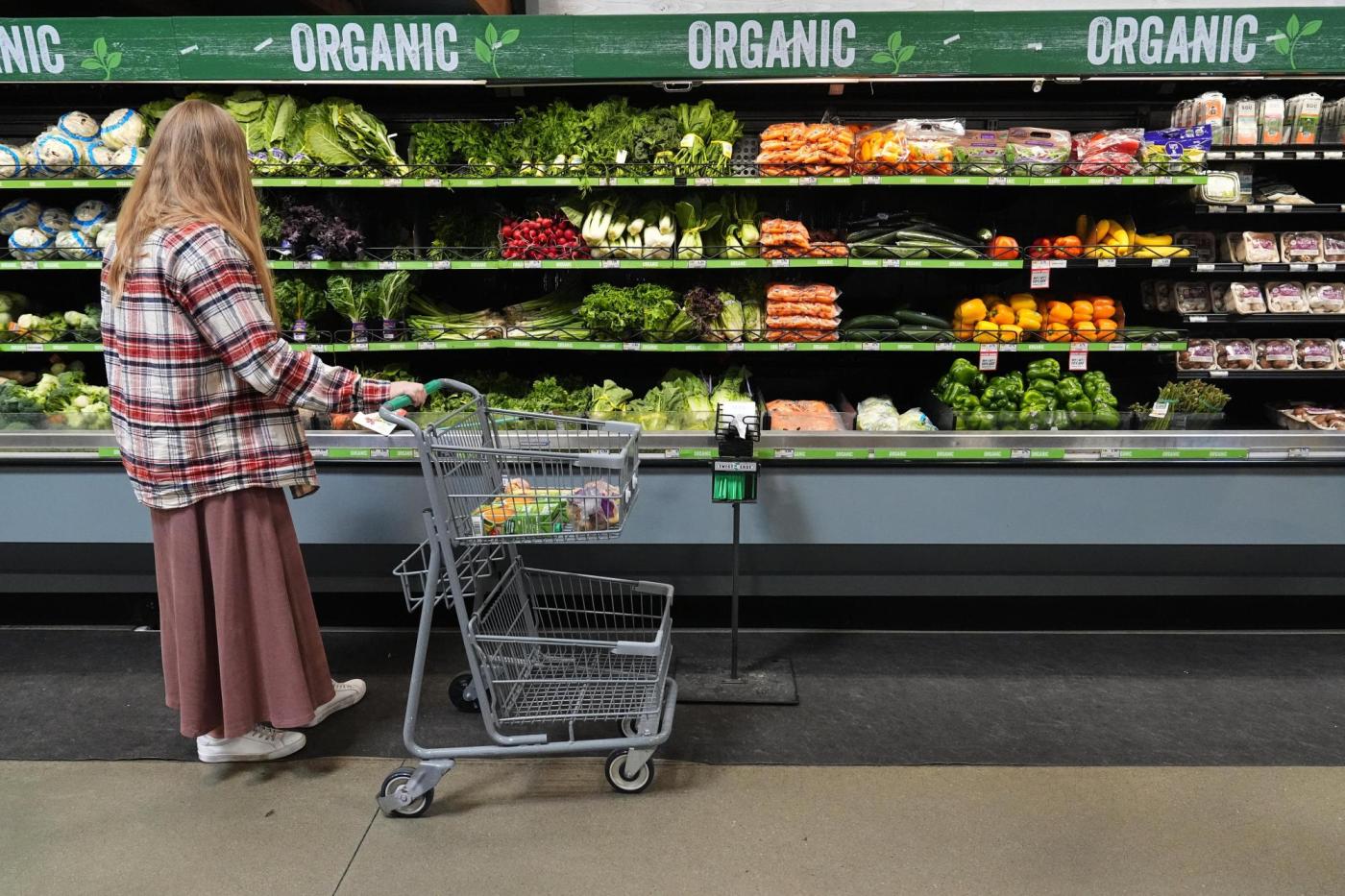
UPDATE: A heated debate is unfolding over the effectiveness of government funding aimed at combating food deserts in California. Just last month, officials celebrated the opening of a new grocery store in Lynwood, made possible by $5.1 million in state funding to revitalize a former gas station site. This effort promises to provide fresh food to a community previously labeled a food desert.
However, critics argue that despite $20 million allocated by LA County’s Food Equity Fund since 2024 to address food access, the core issues remain unresolved. New reports from NYU indicate that federal and local governments have spent hundreds of millions on initiatives to open grocery stores in areas classified as food deserts, yet these efforts yield minimal impact on residents’ dietary choices.
A food desert is defined by the FDA as a region where at least 500 people or 33 percent of the population lives more than one mile from a supermarket, coupled with a poverty rate of 20 percent or more. This classification has gained traction in recent years as a contributing factor to health disparities between low-income and affluent communities. Advocates believe that increasing the availability of fresh food could significantly improve health outcomes.
New York City mayor-elect Zohran Mamdani is pushing for government-run grocery stores to provide affordable, healthy food options for residents in similar situations. Yet, many question whether simply increasing the number of grocery stores will address the underlying issues. Critics point to the fact that a survey funded by the USDA found that the average SNAP recipient lives 1.96 miles from a supermarket but often travels 3.15 miles to shop at their preferred store, indicating that distance alone is not the primary barrier to accessing nutritious food.
Research published in the Quarterly Journal of Economics reveals that while new supermarkets in food deserts attracted shoppers, there was no significant shift towards healthier food purchases. Residents often opted for junk food, now more conveniently available. This raises crucial questions about the effectiveness of current policies, as simply planting new grocery stores does not guarantee better nutrition or health.
The reality is stark: low-income communities face severe health challenges, largely tied to nutrition. If government officials genuinely aim to improve these outcomes, they must reconsider the concept of food deserts and focus on more effective interventions. Initiatives such as early childhood nutrition education and community outreach may yield better results compared to merely increasing grocery store availability.
As this debate continues, the implications are clear: addressing the root causes of poverty and nutritional education is essential for fostering real change in struggling communities. The urgency of this issue demands immediate attention, as the health of countless individuals hangs in the balance.
Stay tuned for further updates on this developing situation as communities and policymakers grapple with the complexities of food access and health equity.