The United States Congress has released a compromise version of the fiscal year 2026 National Defense Authorization Act (NDAA), which proposes significant funding increases and program protections for key military initiatives. The bill aims to increase the Pentagon’s budget by $8 billion over the request made by the Trump administration. If enacted, this funding shift would bolster various defense programs, particularly those related to aerospace and military aviation.
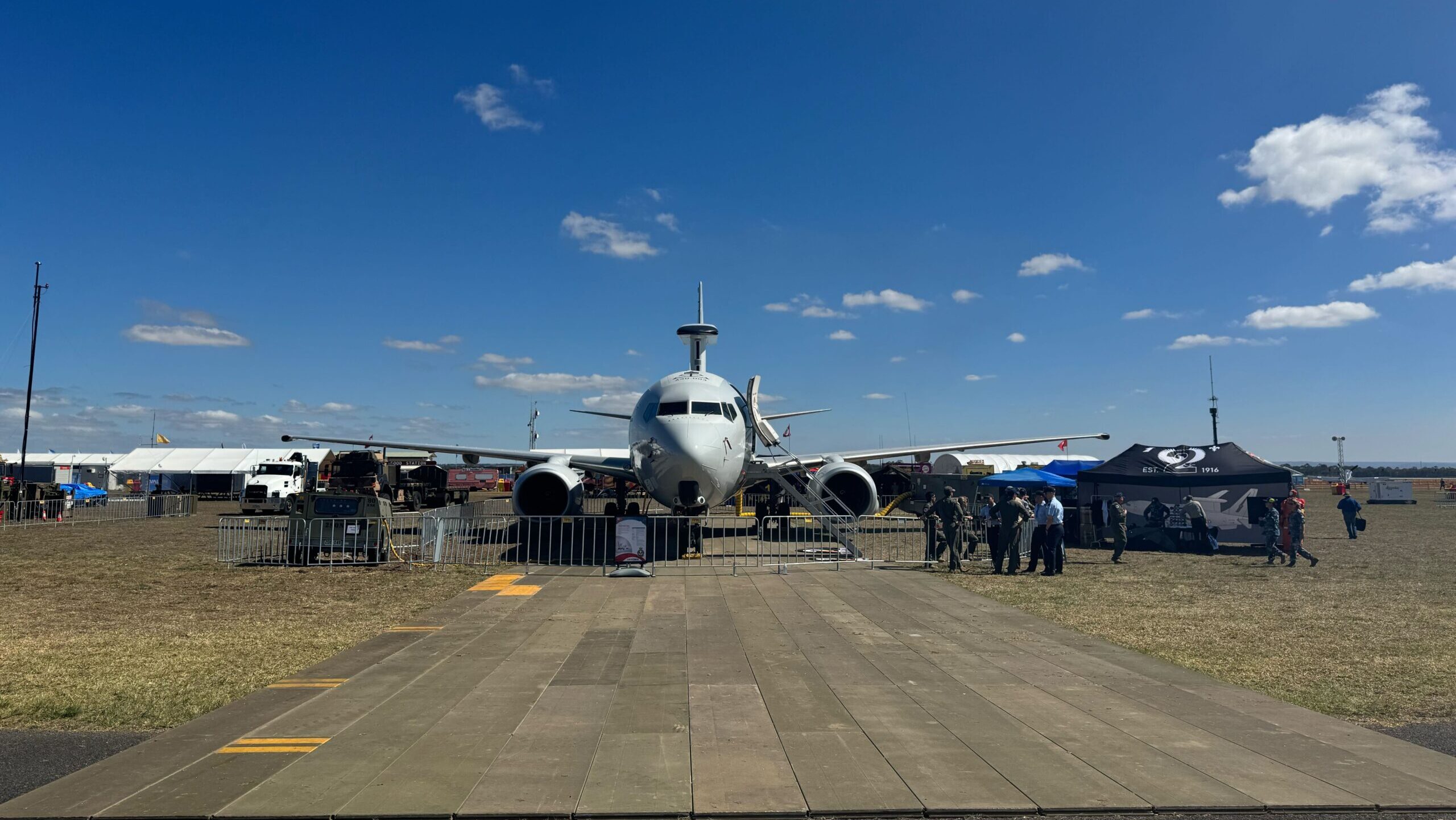
The NDAA’s provisions highlight ongoing support for the Air Force’s E-7 Wedgetail program, which has faced potential cutbacks. Lawmakers have allocated $846.7 million to continue the development and procurement of the Wedgetail radar aircraft, ensuring its future viability. Additionally, the Air Force’s C-40 program is set to receive $250 million for a new VIP transport jet, reflecting Congress’s commitment to enhancing air mobility for high-ranking officials.
Key Changes to Air Force and Army Programs
An important aspect of the NDAA is the adjustment of the Air Force’s air refueling inventory requirements. By October 2028, the service must maintain a minimum of 502 tankers, a significant increase from the current 466 aircraft requirement. This provision also includes directives to slow down the retirement of specific aircraft, such as the A-10 fleet, and to prevent the retirement of F-15Es in fiscal year 2026.
While the bill does not allocate additional funds for F-35 Joint Strike Fighters, it provides $250 million for spare parts procurement for the F-35A variant, along with $125 million for both the F-35B and F-35C variants. It also diminishes over $300 million from development accounts related to the F-35’s Block 4 upgrade due to ongoing delays.
In the realm of space defense, the NDAA mandates that the Air Force Secretary collaborate with the Department of Defense’s Undersecretary for Intelligence and Security to evaluate the feasibility of establishing a tactical surveillance and reconnaissance program by July 31, 2026. This directive follows a recent agreement between the Space Force and the National Geospatial-Intelligence Agency (NGA) regarding the procurement of commercial remote sensing data.
Support for Army Aviation and Future Programs
For the Army, the NDAA authorizes new multiyear procurement authority for the popular Black Hawk UH-60 helicopters, allowing purchases to commence in fiscal year 2027. This decision follows previous cuts to the Army’s aviation portfolio, as the service prioritizes the Future Long-Range Assault Aircraft (FLRAA) program, intended to eventually replace the Black Hawk.
Despite initial hesitations from Army leadership regarding the future of the Black Hawk, officials have confirmed the aircraft’s continued importance. Maj. Gen. Clair Gill, Program Acquisition Executive of Maneuver Air, emphasized that Black Hawks will remain operational for the foreseeable future, focusing on fleet modernization efforts. The NDAA endorses this vision by allocating an additional $100 million for Black Hawk modernization initiatives.
Moreover, the bill authorizes the Army Secretary to initiate early production contracts for the FLRAA, enabling the acquisition process to begin ahead of full-rate production. This approach includes a requirement for the Army Secretary to brief Congress within 180 days after the NDAA’s enactment on timelines and implementation plans for the FLRAA’s early production.
As discussions around defense spending and military priorities continue, the NDAA represents a critical step in shaping the future of U.S. military capabilities. The bill awaits approval through the congressional budget process, which will ultimately determine the final funding levels for these essential programs.