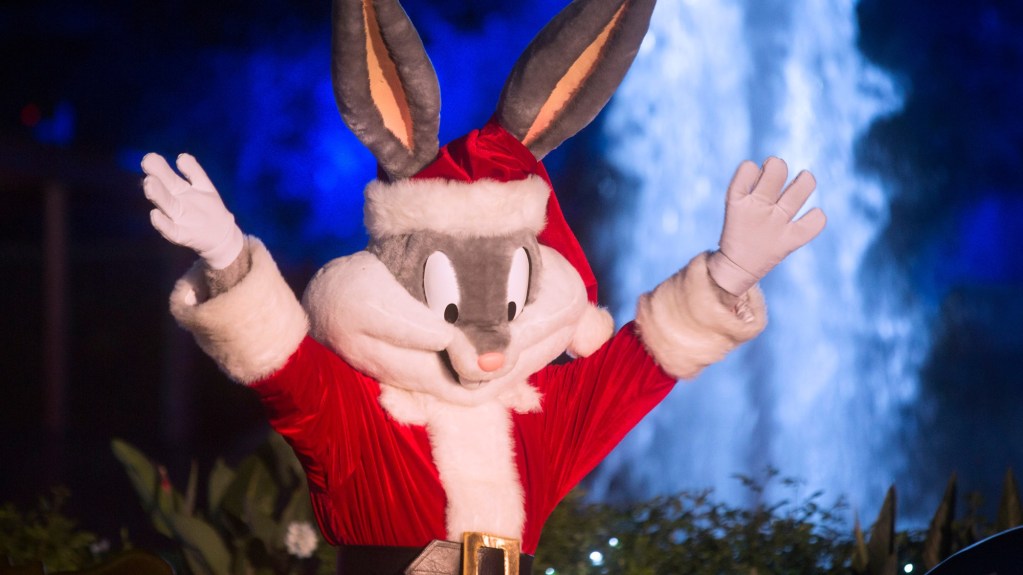
The proposed acquisition of Warner Bros. by Netflix has sparked discussions about the potential impact on the entertainment landscape, particularly for theme park enthusiasts. While the deal might benefit the film industry and its associated workforce, it represents a significant missed opportunity for the world of theme parks. Warner Bros. boasts a rich catalog of intellectual properties that could enhance theme park experiences globally.
Warner Bros. properties include the immensely popular Wizarding World of Harry Potter, which has been pivotal in driving financial success for Universal’s theme parks. Other franchises, such as DC Comics and Looney Tunes, hold vast potential for immersive attractions that have yet to be fully realized in existing parks. Additionally, the Lord of the Rings franchise remains a sought-after intellectual property among fans eager to see its cinematic magic brought to life in a theme park setting.
Potential Lost with Universal and Comcast
The recent bidding war for Warner Bros. included Comcast, which owns Universal Studios, a company well-versed in creating attractions based on Warner Bros. properties. Given Universal’s previous success with the Harry Potter franchise, fans might lament the missed chance to see how Universal Creative could have leveraged other Warner Bros. properties into new entertainment experiences.
Currently, Six Flags holds the U.S. rights to utilize DC Comics and Looney Tunes in its parks, a legacy from its former ownership by Warner Bros. With Six Flags grappling with financial difficulties stemming from pandemic-related debts, the possibility exists for Warner Bros. to reclaim these rights under new ownership. This transition could have opened the door for Universal to develop unique Warner Bros.-themed attractions, further enriching the theme park landscape.
While future collaborations with Netflix or even Paramount Skydance might still be possible, the true value of a deal with Universal would have included rights not just for theme parks, but also for movies and television shows. The current management of Warner Bros. has shown little enthusiasm for its iconic Looney Tunes characters, which may frustrate fans. Universal’s expertise in animated comedy could have positioned it as a leader in this niche, counterbalancing Disney’s dominance in animated musicals.
Future of Themed Attractions Uncertain
Universal currently holds the theme park license for many of Disney’s Marvel characters in Orlando, but limitations exist on its ability to create new attractions. Transferring its focus to Warner’s DC properties could facilitate a deal allowing Disney to buy out Universal’s Marvel license, potentially leading to groundbreaking superhero-themed attractions nationwide.
As for Netflix, the company has made strides toward establishing itself in the themed attraction space, recently opening Netflix House venues in Philadelphia and Dallas. This move indicates an interest in expanding its footprint in the entertainment sector, but it will need to match the level of experience and success that Comcast has achieved in location-based entertainment.
The acquisition of Warner Bros. by Comcast would have raised various antitrust issues, similar to those that may still obstruct the Netflix deal. Nonetheless, many theme park fans believe that a merger between Universal and Warner Bros. would have been highly advantageous, enriching the entertainment offerings available to them.