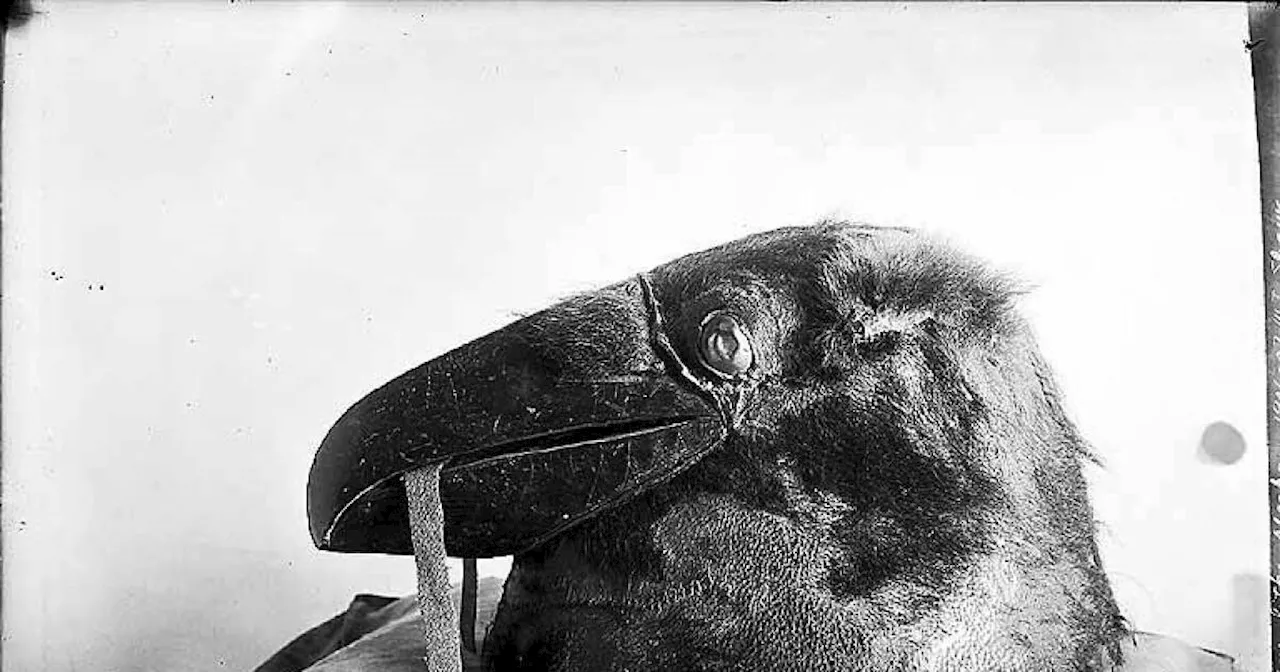
UPDATE: A historic victory for the Kiks.ádi people as the Raven helmet, a sacred artifact from the Battle of Sitka, is set to return to their possession after more than 100 years. This development marks a significant moment in the ongoing fight for the repatriation of Indigenous cultural items, highlighting urgent issues of colonialism and cultural heritage.
For decades, the Kiks.ádi have asserted that the helmet, considered an at.oow—a sacred item vital to their cultural identity—was never legitimately owned by the state. The helmet had been housed at the Sheldon Jackson Museum since 1906, a remnant of the tumultuous history when the Lingít and other Alaska Native peoples resisted Russian colonization in the early 1800s.
Aanyaanáxch Ray Wilson, the Kiks.ádi clan leader at 92 years old, expressed the emotional weight of this repatriation. “When we don’t have our items, we can’t use them,” Wilson stated. “It’s really hard to accept.” The helmet, worn by warrior Ḵ’alyáan during the 1804 battle, symbolizes resilience against oppression and a deep connection to ancestral heritage.
The Alaska State Museums has officially begun the process of returning the helmet, acknowledging the Kiks.ádi’s cultural patrimony claim. A spokesperson confirmed ongoing efforts to collaborate with the Sitka Tribe of Alaska to rebuild relationships and facilitate this repatriation.
Clan member Lduteen Jerrick Hope-Lang, who has been advocating for the helmet’s return, emphasized the importance of historical accuracy in their fight. “If you’re asserting you have the right to anything, there must be proof,” he said. His investigation into the helmet’s history revealed that it was taken without the proper protocols, challenging previous claims of ownership by the Presbyterian Church, which operated the Sitka Industrial and Training School.
Jermaine Ross-Allam, director of the church’s Center for Repair of Historical Harms, aided in uncovering records that support the Kiks.ádi’s rightful ownership. “The act wasn’t authorized because it didn’t involve those protocols,” Ross-Allam noted, reinforcing the Kiks.ádi’s stance that the helmet was never the church’s to possess or sell to the state.
This repatriation comes amidst a broader movement for justice and healing within Indigenous communities. Yeidikook’áa Brady-Howard, chairwoman of the Sitka Tribe of Alaska, highlighted that reclaiming the helmet is part of a larger narrative of restoring sacred items to their rightful owners. “Those items are literally our ancestors living away from their homeland,” she said.
The Alaska State Museums confirmed that several procedural steps remain before the helmet can be officially returned, including submitting a notice to the Federal Registrar. Yet, the Kiks.ádi community is optimistic about this step forward, which promises to restore cultural practices and strengthen their community ties.
As the Kiks.ádi prepare to welcome the Raven helmet back into their ceremonies, the impact is clear. “This changes the narrative,” Hope-Lang remarked. “When you look at this piece, you’re not saying it belongs to somebody else; it belongs to you.”
This moment not only signifies a reclaiming of cultural heritage but also offers hope for future generations. The Kiks.ádi aim to prevent the trauma of cultural disconnection from passing on to their descendants, ensuring that sacred items like the Raven helmet remain in their rightful hands.
Stay tuned for further updates on this developing story as the Kiks.ádi move closer to reclaiming their heritage.