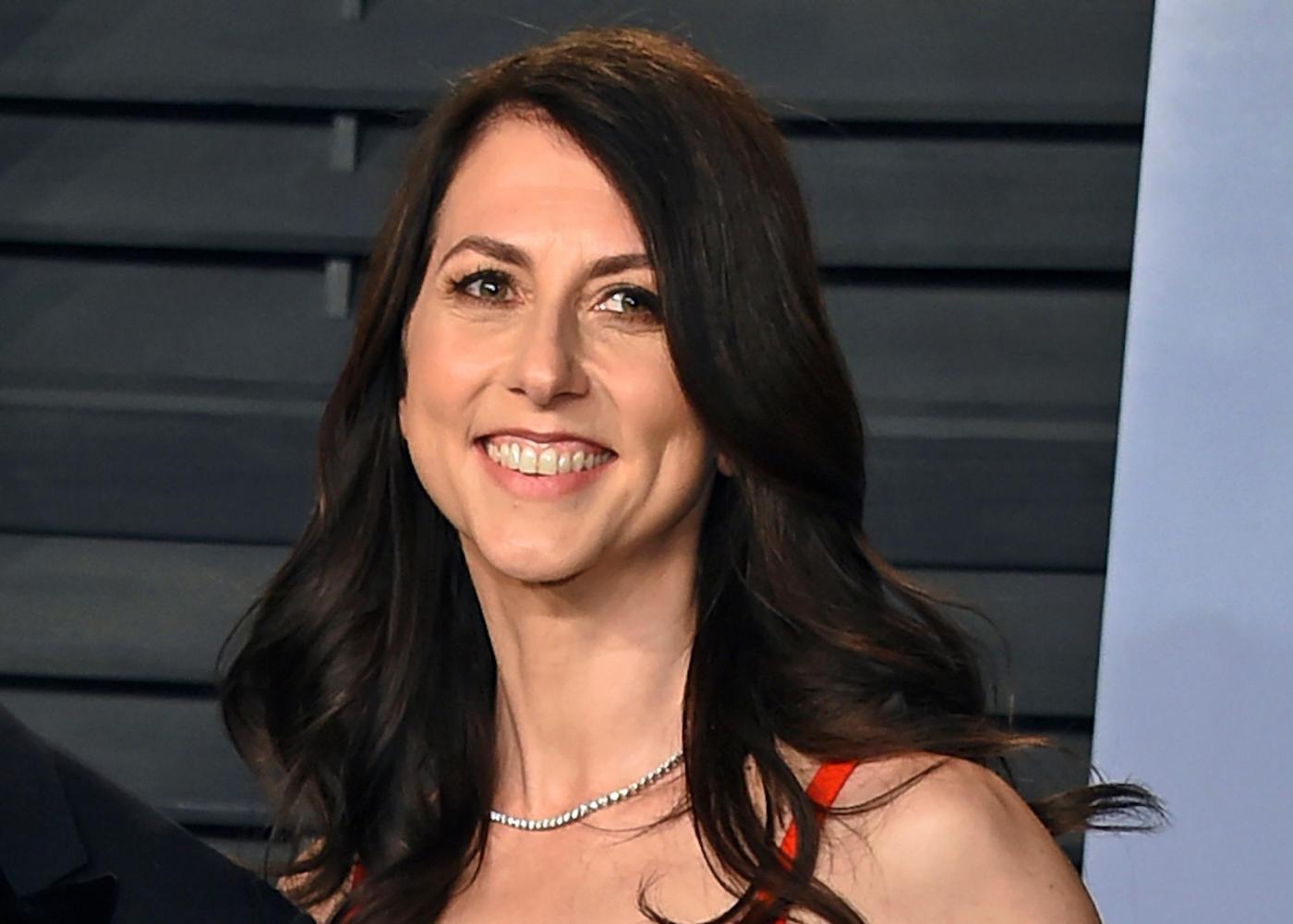
Philanthropist and author MacKenzie Scott announced a remarkable $7.1 billion in donations to various nonprofits on Tuesday, pushing her total giving since 2019 to an impressive $26.3 billion. This latest wave of contributions highlights her ongoing commitment to support social causes, particularly in education and climate action.
Scott, who gained significant wealth after her marriage to Jeff Bezos, the founder of Amazon, pledged to donate the majority of her fortune following their divorce. Her approach to philanthropy is distinctive; she provides large, unrestricted gifts to organizations without requiring applications or progress reports. While her donations have primarily targeted U.S.-based nonprofits, her influence extends beyond national borders.
Focus Areas for 2025 Donations
In her latest round of giving, Scott emphasized support for colleges and universities, with a notable focus on historically Black colleges and universities (HBCUs) and tribal institutions. Additionally, she allocated significant resources to community colleges and organizations dedicated to addressing climate change.
A standout recipient this year is the collaborative Forests, People, Climate, which received a substantial $90 million to aid in efforts to curb tropical deforestation. Research conducted by Panorama Global indicates that, historically, environmental causes have received a smaller portion of Scott’s funding, accounting for only 9.4% of her donations in 2024. The shift in focus this year towards education and climate reflects a broader strategy to address pressing global challenges.
Growth of Scott’s Wealth Amid Philanthropy
Despite her generous contributions, Scott’s net worth remains significant. According to Forbes, her fortune was estimated at around $36 billion in 2020 and currently stands at approximately $33 billion. This decline in wealth coincides with her substantial charitable investments, which have exceeded $26 billion in recent years.
Scott’s philanthropic strategy has evolved; initially, she advised organizations not to expect further support after their first donation. Over time, however, she has begun to provide additional funding to several organizations, often increasing the amounts of her contributions. Notably, CAMFED, which focuses on girls’ education in Africa, has received four grants from Scott, including a record $60 million in 2025.
Many of Scott’s contributions this year were directed towards HBCUs, totaling at least $783 million. Her funding strategy highlights a commitment to higher education, addressing the needs of underrepresented communities. Marybeth Gasman, a professor at Rutgers University and an expert on HBCUs, notes that Scott is particularly supportive of institutions with strong community ties and consistent leadership.
The unrestricted nature of Scott’s grants allows recipient organizations the flexibility to utilize funds as they see fit. This approach contrasts with many traditional philanthropic models that impose specific conditions on the use of donations. Research from the Center for Effective Philanthropy indicates that concerns over potential misuse of funds have not materialized, likely due to Scott’s thorough research and vetting process prior to making donations.
Unrestricted funding enables nonprofits to adjust to unexpected challenges, experiment with innovative approaches, and strengthen their foundational systems. For instance, after funding cuts from the U.S. Agency for International Development during the Trump administration, the nonprofit Village Enterprise leveraged a grant from Scott in 2023 to sustain essential poverty alleviation programs.
Scott’s philosophy of philanthropy emphasizes collaboration and community, as she often highlights the contributions of others in her writings. Gabrielle Fitzgerald, founder and CEO of Panorama Global, observes that Scott strives to keep the focus on the organizations and their impact rather than on herself. This approach sets her apart from many other philanthropists who often take center stage in their charitable endeavors.
As Scott continues to redefine philanthropy through her significant contributions, her focus on education and climate change in 2025 reflects a strategic response to urgent societal needs. Her ongoing commitment to unrestricted giving may inspire a new generation of philanthropists to consider similar models that prioritize flexibility and community empowerment.