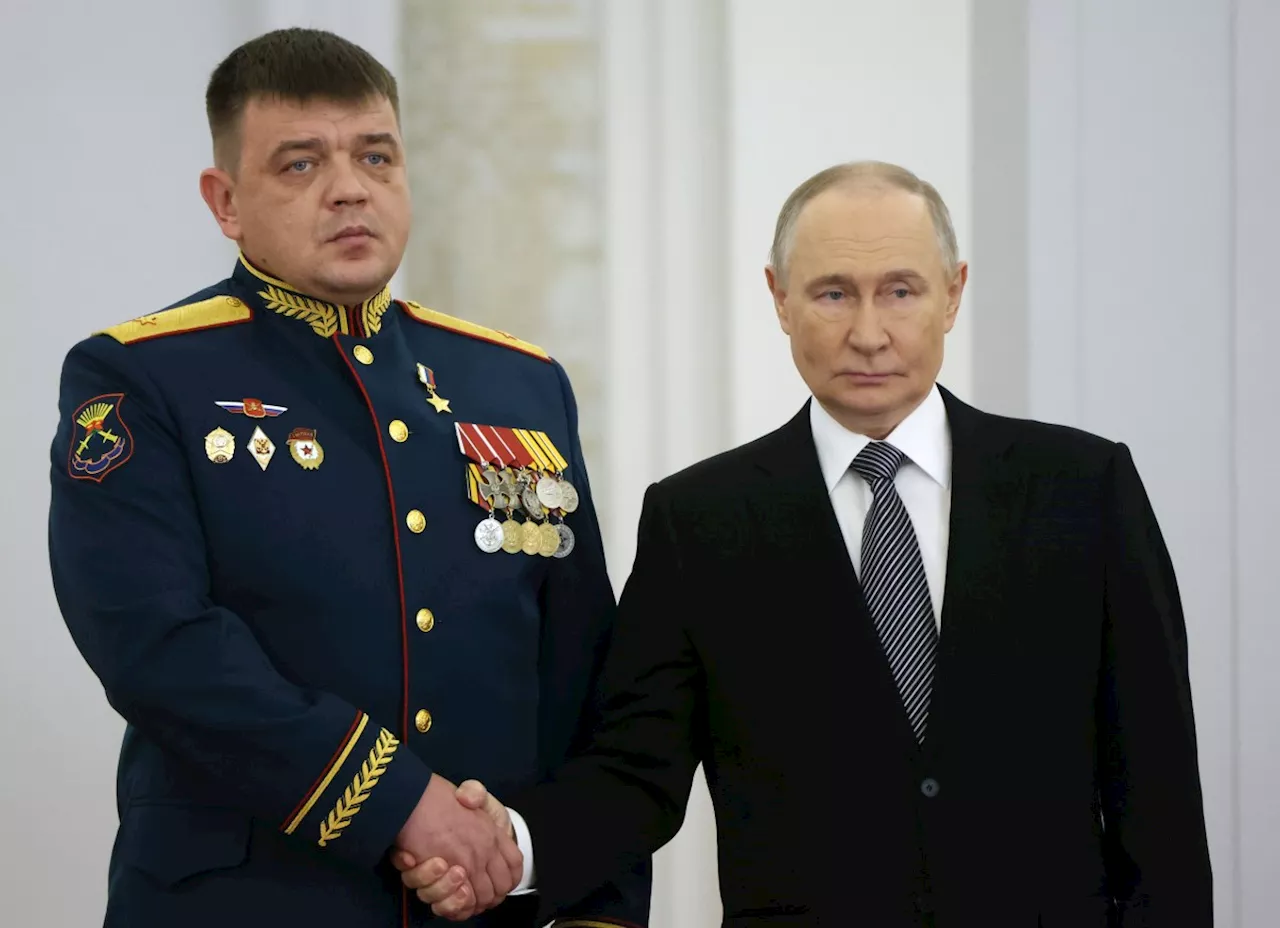
UPDATE: Russian President Vladimir Putin has just confirmed a willingness to provide security guarantees for Ukraine as part of a peace settlement, according to a statement made by Russian Foreign Minister Sergei Lavrov in Moscow today. This development, which is being closely monitored, includes a call for similar guarantees to also encompass Russia.
During a high-stakes meeting with envoys from former US President Donald Trump, Lavrov emphasized that any agreements must be legally binding and reference previous proposals made by Moscow to NATO in 2021. This comes amid rising concerns about the ongoing conflict as geopolitical tensions continue to escalate.
Lavrov firmly rejected the idea of deploying peacekeeping troops to Ukraine, warning that such a move would make them “legitimate targets for the Russian armed forces.” His stark statement highlights the potential for further escalation and the serious risks involved in current diplomatic discussions.
Meanwhile, former President Trump urged Ukrainian President Volodymyr Zelensky to adopt a “realistic” approach regarding the war. He questioned the timing of Ukraine’s upcoming elections, suggesting that they should be carefully considered in light of the ongoing conflict. Trump has been vocal in discussing Ukraine with European leaders, expressing hesitance to visit for peace talks until he gathers crucial information.
As the situation unfolds, Ukraine has presented a revised 20-point proposal for a settlement, following consultations with European allies who remain wary of Trump’s influence on negotiations. These allies fear he may pressure Ukraine into accepting unfavorable terms that could reward Russia for its aggression.
President Zelensky, currently navigating a domestic corruption scandal, indicated his readiness to hold elections, contingent on the assurance of safety from US and Western allies. He remains steadfast against making territorial concessions to Russia, arguing that he lacks both the legal and moral authority to do so.
This urgent exchange underscores the complexities of international diplomacy and the intricate web of security concerns that define the ongoing Russia-Ukraine conflict. The involvement of key figures like Trump and the diverging viewpoints among nations add layers of difficulty to the negotiations.
As world leaders attempt to coordinate their responses, all eyes are on the evolving diplomatic landscape. The potential for a legally binding treaty could significantly reshape the security architecture in Europe, with far-reaching implications for all parties involved.
The next steps remain critical as Ukraine seeks to solidify its position while managing internal pressures. The urgency of these discussions cannot be overstated, as the stakes for regional peace and security are higher than ever. This situation demands careful navigation of interests and a delicate balance of power.
Stay tuned for more updates as this developing story unfolds.