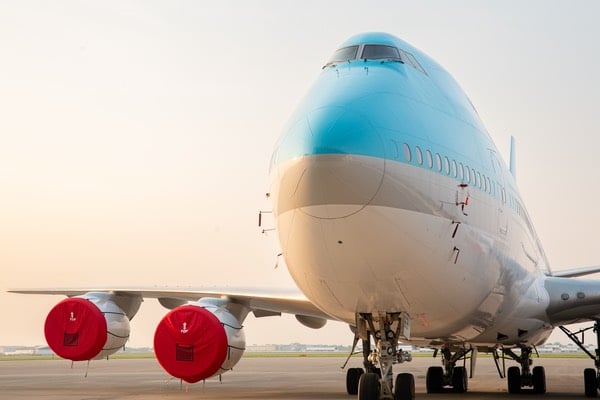
The US Air Force awarded the recapitalization of the Survivable Airborne Operations Center (SAOC), commonly referred to as the “Doomsday” plane, to Sierra Nevada Corporation (SNC) in mid-2024. This decision marked a significant shift in defense contracting, as it entrusted a non-original equipment manufacturer (OEM) with a key component of its Nuclear Command, Control, and Communications strategy. The SAOC serves as a vital airborne command and control system during national emergencies, underscoring its critical role in America’s nuclear decision-making framework.
In a recent discussion, Tom Andersen, senior vice president of SNC’s Washington, D.C. operations, elaborated on the implications of this contract and the evolving landscape for mid-tier companies within the defense sector. He emphasized that SNC’s success with the SAOC contract reflects a broader trend favoring innovation and adaptability over traditional practices that often favored larger OEMs.
Current Status and Future Expectations for SAOC
SNC has reported solid progress in the SAOC recapitalization project. Andersen noted that the program is currently on schedule, with the creation of a digital twin underway in Wichita, Kansas. The company has already taken delivery of the aircraft, and plans are in place to hire approximately 125 additional employees over the next six months.
“Our hiring and retention have been excellent,” Andersen stated. “We’re happy with the progress we’re making, and, more importantly, I think the customer is satisfied.”
SNC’s approach to the SAOC contract involved significant upfront investment, including the construction of large hangars in Dayton, Ohio, well before the contract was awarded. The first hangar, spanning 90,000 square feet, became operational ten months prior to receiving the SAOC contract. This proactive strategy demonstrated SNC’s commitment to the project and instilled confidence in the government regarding cost and schedule management.
Innovative Approaches to Data and Sustainability
Andersen explained that a crucial factor in SNC’s bid was the recognition of the importance of shared data. Traditional OEMs often control critical data, which can lead to increased costs over the aircraft’s lifecycle due to vendor lock-in. By prioritizing open architectures and government-owned technical data, SNC aims to eliminate these issues.
“We realized we can use that same technology to create our own technical data packages so that customers have the ‘right to repair’ and don’t need to solely depend on an OEM anymore,” Andersen noted. This approach not only enhances sustainability but also facilitates quicker modernization and adaptation of aircraft.
SNC’s innovative practices are also evident in its past performance with smaller platforms. The company successfully developed the U-28 Draco program, which delivered over 30 aircraft to the Air Force Special Operations Command in less than a year. This experience has positioned SNC as a leader in integrating diverse technologies rapidly and effectively.
Andersen highlighted that the real niche for SNC lies in integration: “The Department of Defense is looking for innovation, affordability, and speed, especially given today’s security environment.”
SNC’s emphasis on transparency and credibility has fostered trust with government clients. Andersen remarked, “We remind people that SNC has been building its reputation quietly, a foot at a time, a yard at a time for over 60 years.” This consistent performance strengthens the company’s standing as a reliable partner in defense contracting.
As the landscape of defense contracting continues to evolve, SNC’s successful acquisition of the SAOC contract illustrates the growing importance of mid-tier companies in bridging the gap between agile innovators and established aerospace giants. The steps taken by SNC could signify a lasting transformation in how the Pentagon approaches collaboration with industry, focusing on speed, affordability, and resilience in delivering critical capabilities.