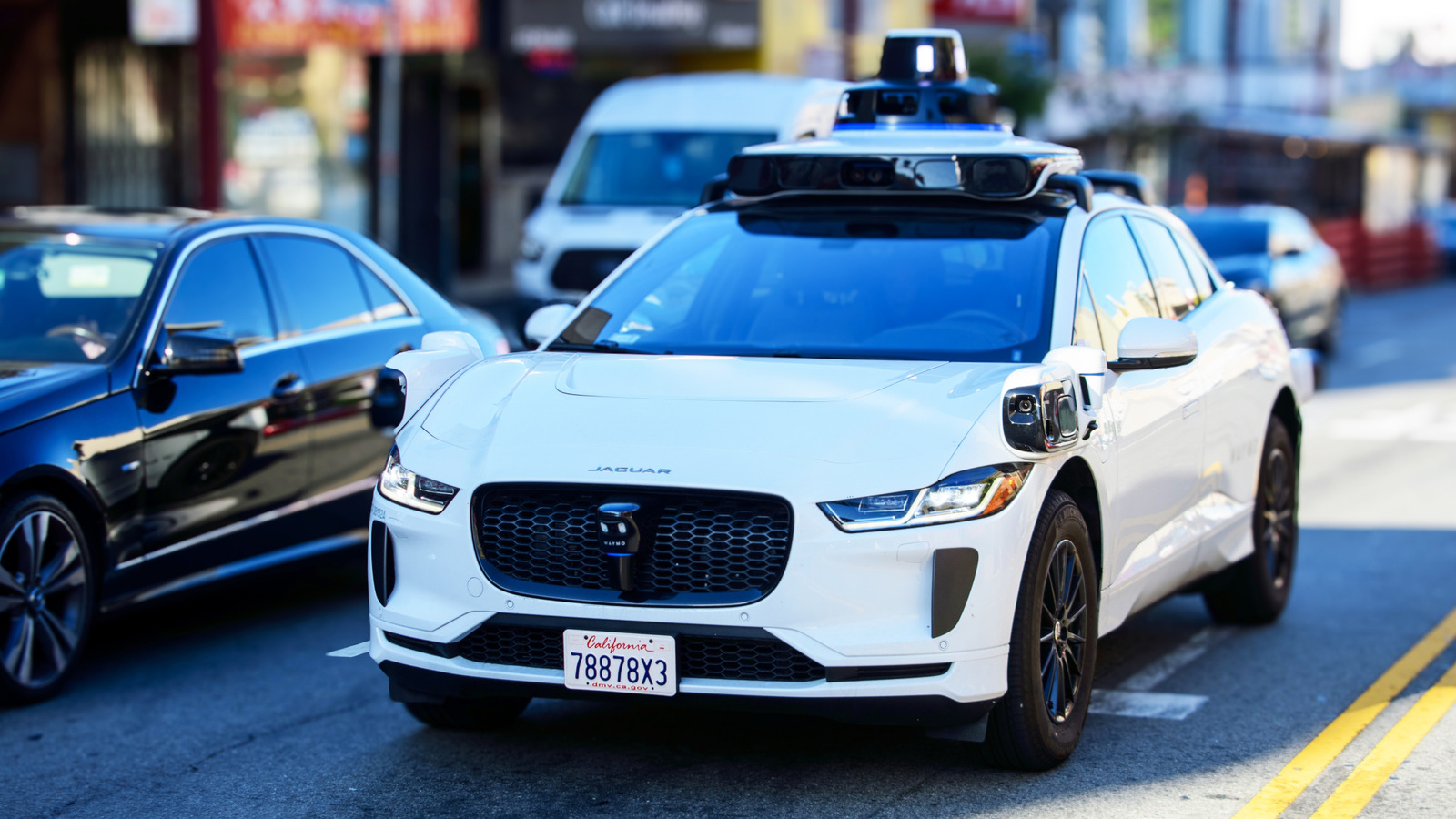
A woman gave birth inside a Waymo robotaxi while en route to the hospital in San Francisco earlier this week. The incident occurred as the expectant mother was already in labor on her way to the University of California San Francisco Hospital. The unexpected situation prompted Waymo’s Rider Support Team to intervene after detecting “unusual activity” within the vehicle.
As the situation unfolded, the Waymo team quickly assessed the circumstances and contacted emergency services. However, the robotaxi successfully arrived at the hospital with the woman and her newborn before help could arrive. Jess Berthold, a spokesperson for the University of California San Francisco Hospital, confirmed the arrival of both mother and baby to NBC News. Unfortunately, details about the woman and her newborn remain scarce, as she has chosen not to engage in interviews at this time.
Waymo addressed the unusual situation in a statement, expressing pride in being a reliable transportation option for significant life events. The company stated, “We’re proud to be a trusted ride for moments big and small, serving riders from just seconds old to many years young. We wish the new family all the best, and we look forward to safely getting them where they’re going through many of life’s events.” Following the incident, Waymo took the precaution of removing the vehicle from service for cleaning.
This remarkable occurrence highlights the evolving role of autonomous vehicles in everyday life. While robotaxis are still refining their technology, they have shown a generally high safety record. According to data, Waymo robotaxis are statistically safer than human drivers, with some experts even referring to them as “a public health breakthrough.”
During the birth, the Waymo vehicle maintained its focus on the road, a task that can be challenging for human drivers in similar high-stress situations. The robotaxi did not accelerate or take unnecessary risks, thereby ensuring a safe journey for the new family. While an ambulance would typically be the preferred choice in such scenarios, the financial burden of emergency services makes alternatives like Waymo an appealing option for some.
The unique nature of this birth has sparked conversations about the implications of autonomous vehicles in critical life moments. As technology continues to advance, the prospect of giving birth in a self-driving car may become less surprising, opening new discussions about the future of transportation and personal experience during emergencies.