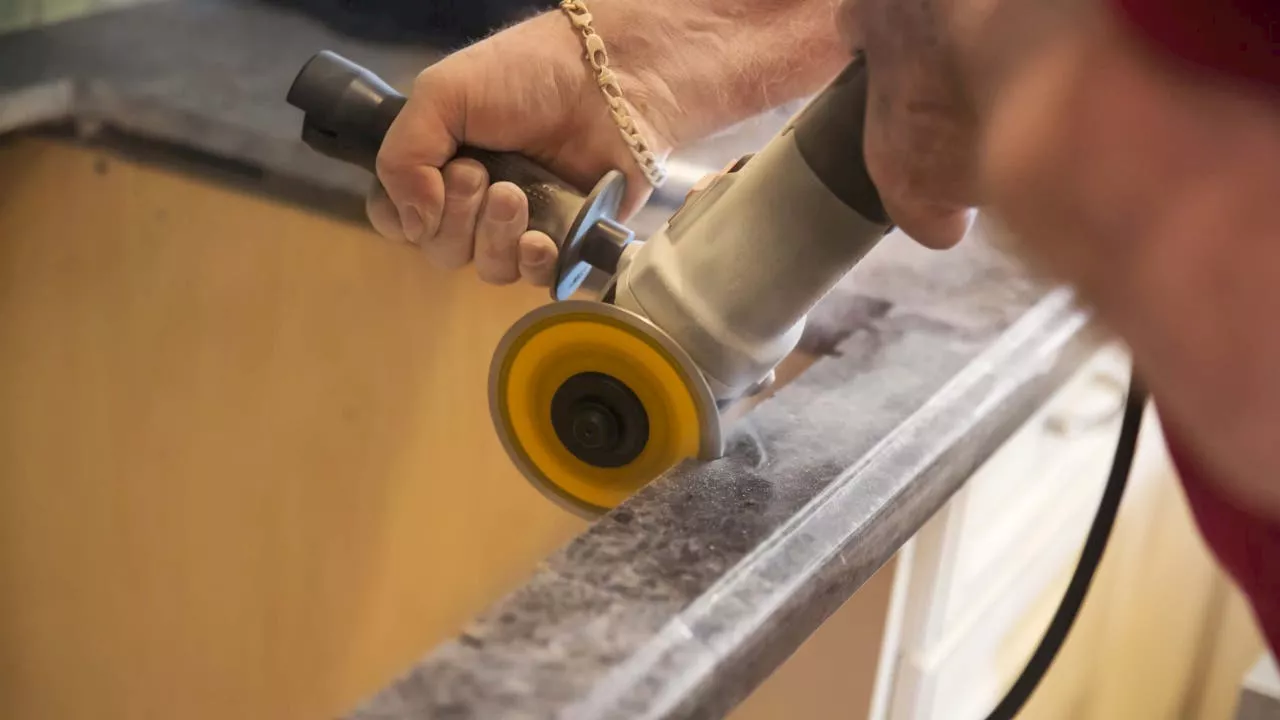
A man in his 40s from Massachusetts has been diagnosed with silicosis, a serious lung disease linked to his 14 years of work in the stone countertop fabrication and installation industry. The Massachusetts Department of Public Health confirmed this diagnosis, marking a significant public health concern regarding exposure to crystalline silica dust, which is prevalent in materials such as granite and engineered stone.
Silicosis is caused by the inhalation of fine dust particles containing crystalline silica. Over time, these particles become trapped in lung tissue, leading to inflammation and scarring that severely impair lung function. Symptoms include shortness of breath, persistent cough, and fatigue. Those affected face an increased risk of developing chronic obstructive pulmonary disease (COPD) and lung cancer. According to Public Health Commissioner Robbie Goldstein, MD, PhD, the disease is preventable, and employers have a responsibility to protect their workers from harmful exposures.
Health Risks and Workplace Safety
The case highlights the urgent need for enhanced workplace safety measures within industries where silica dust exposure is a risk. The U.S. Occupational Safety and Health Administration (OSHA) warns that while silicosis is incurable, it is entirely preventable through proper engineering controls and personal protective equipment.
Crystalline silica is a common component of many natural and man-made stones, with engineered stone—often referred to as quartz—containing up to 90% silica. In comparison, granite typically comprises 10-45% silica. The processes of cutting, grinding, and polishing these materials can release dangerous levels of silica dust if adequate safety measures are not implemented.
Statistics reveal that most workers diagnosed with silicosis in the United States have been exposed to silica dust for over ten years, though some have experienced symptoms after shorter exposure periods. The first reported case of silicosis related to engineered stone was documented in Texas in 2014, and since then, numerous cases have emerged across various states, particularly in California.
Demographics and Industry Impact
The demographic profile of those affected by silicosis in the U.S. is notably young, predominantly male, and includes a significant number of Hispanic and Latino workers. According to data from the U.S. Census Bureau, more than half of the workforce in this industry is under 45 years old, with nearly three-quarters being men and over one-third identifying as Hispanic or Latino.
This case serves as a stark reminder of the health risks associated with silica exposure and the critical need for regulatory adherence in workplaces that handle these materials. As public health officials continue to raise awareness, they stress the importance of implementing effective safety protocols to prevent similar diagnoses in the future.
The Massachusetts Department of Public Health continues to monitor this situation closely and advocates for immediate action to ensure worker safety in industries where silica is present. No worker should suffer the consequences of preventable exposure, and ongoing education and enforcement of safety measures are paramount to safeguarding health in these high-risk environments.