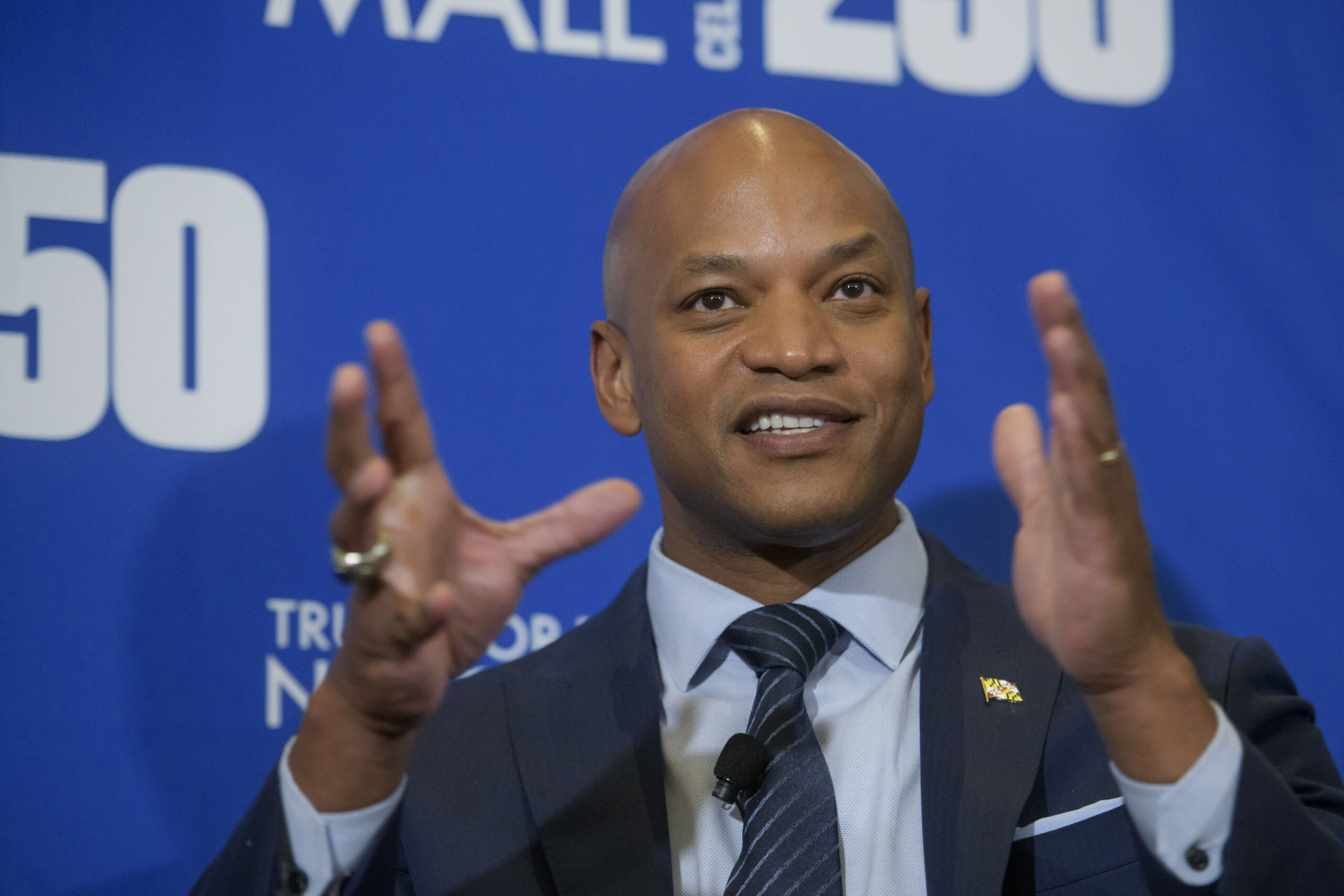
Residents of Maryland are voicing their concerns regarding Governor Wes Moore‘s recent redistricting initiative. A survey conducted in October 2023 revealed that fewer than one-third of state residents consider this effort a top priority. The findings suggest a significant disconnect between the administration’s objectives and public sentiment.
The push for redistricting comes as part of a broader strategy to optimize electoral representation within the state. Wes Moore, who took office in January 2023, has positioned this initiative as a means to enhance political equity. However, the survey results indicate that many residents feel other issues, such as education and public safety, should take precedence.
In the survey, conducted by the Maryland State Survey, only 32% of respondents identified redistricting as a critical issue facing the state. In contrast, over 50% prioritized economic challenges, including inflation and job creation. This disparity raises questions about the effectiveness of the governor’s communication strategy regarding his legislative agenda.
Critics of the redistricting plan argue that it could lead to further political polarization, exacerbating existing divisions within communities. Maryland has a history of contentious redistricting processes, often resulting in legal challenges and public outcry. Many residents are concerned that the current proposal may not adequately reflect the diverse needs of Maryland’s population.
Advocates for the redistricting initiative maintain that it is essential for ensuring fair representation. They argue that updating district boundaries can help rectify past inequities and better align political representation with demographic shifts. Nevertheless, the lack of widespread support suggests that the administration may need to engage in more extensive outreach efforts.
As the debate surrounding redistricting continues, it remains to be seen how Wes Moore will address the concerns raised by Maryland residents. The upcoming legislative session will likely provide a platform for both supporters and opponents to voice their opinions. The outcome may significantly impact not only electoral dynamics but also public trust in the state government.
In summary, the findings from the October survey underscore a critical moment for Wes Moore and his administration. With less than one-third of residents viewing redistricting as a priority, the governor faces the challenge of reassessing his strategies to align more closely with the concerns of Maryland citizens. The response to this initiative will be closely monitored as it unfolds in the coming months.