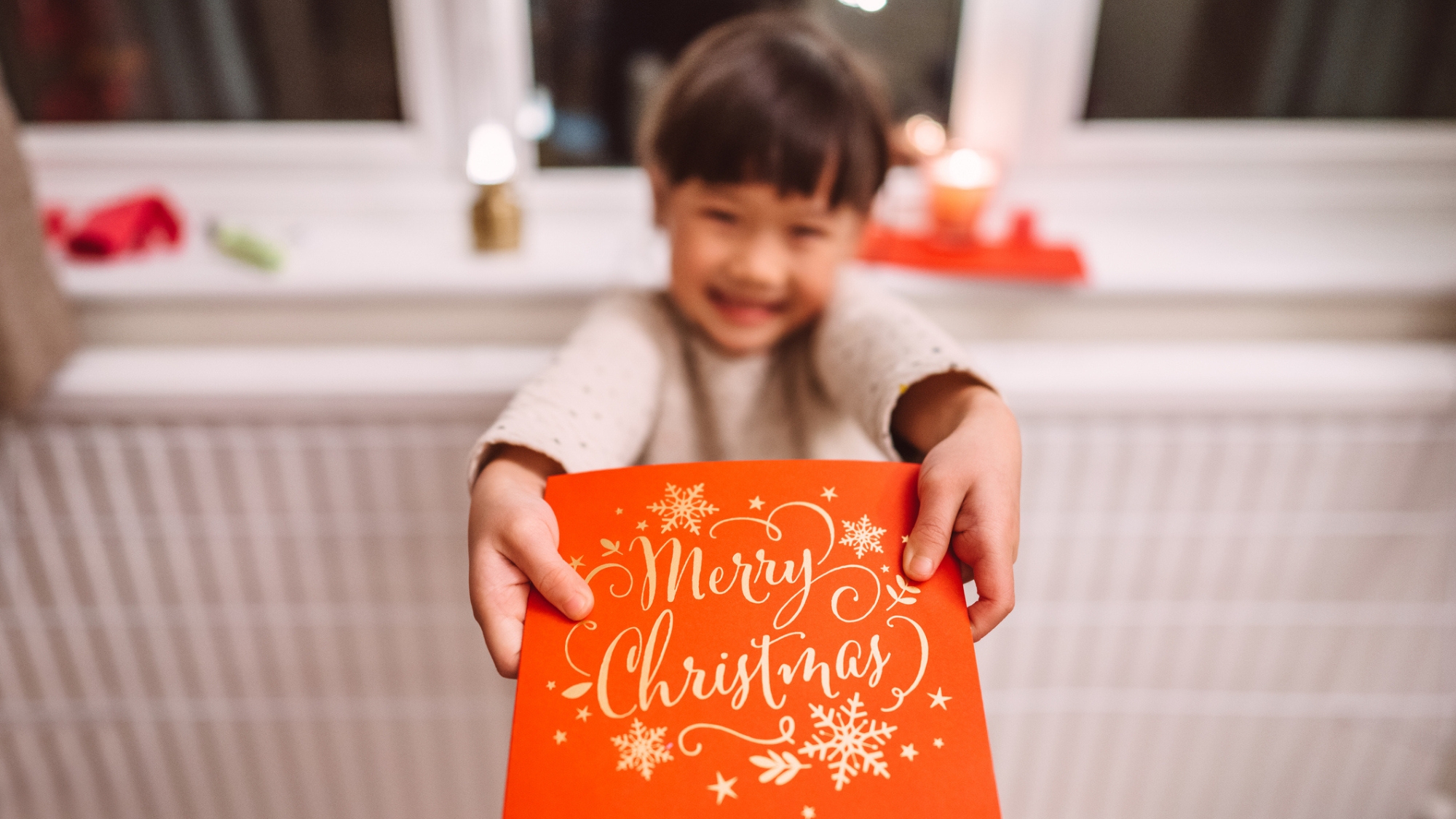
UPDATE: More than 8 million people in the UK are set to use AI to craft their Christmas cards this season, according to new research from Royal Mail. This significant trend speaks volumes about our current state of exhaustion as the holiday season approaches, prompting a reliance on technology to manage personal touch in festive greetings.
The rise of AI in holiday communications is raising eyebrows. While some celebrate the convenience, others express concern over the implications of technology intruding into personal moments. The urgency of this trend is underscored by the fact that many feel overwhelmed as the year wraps up, making quick fixes like AI-generated messages appealing.
In a recent experiment, various AI chatbots were tasked with creating heartfelt messages for a Christmas card. The goal? To see if these digital tools could capture the emotional essence typically conveyed in such personal notes. The results were mixed, revealing both strengths and weaknesses in AI-generated content.
For instance, ChatGPT delivered a message that, while polished, felt somewhat generic. It read: “Helping me move house wasn’t just about boxes and logistics — it was about your time, your energy.” Despite its emotional tone, the response lacked the personal touch that makes Christmas cards special. The author rated it a 5/10, acknowledging its utility but suggesting it would require significant edits to feel authentic.
Conversely, Claude produced a warmer, more relatable message, scoring a 7/10. It captured the essence of gratitude but still leaned into common phrases that could apply to anyone’s moving experience. The takeaway? AI can help, but the nuances of personal relationships often elude it.
Other AI models, like Gemini and Perplexity, struggled with emotional depth, producing messages that felt overly formal or lacked specificity. Ratings ranged from 2/10 to 4/10, leaving users to question the effectiveness of using AI for deeply personal communications.
As we approach the festive season, the conversation surrounding AI’s role in our lives grows more pressing. Many individuals are turning to AI not out of conviction but from sheer necessity, reflecting a broader cultural fatigue. The implications of this trend extend beyond convenience; they touch upon the essence of human connection during the holidays.
Looking ahead, experts predict that as the technology continues to evolve, so too will our relationship with it. Christmas cards may be just the beginning. For those considering using AI for their holiday greetings, a cautious approach is advised. Tailoring the output and adding personal touches could bridge the emotional gap that AI struggles to navigate.
In a world where we are constantly urged to be productive, the use of AI for personal tasks might seem like a solution. However, the emotional worth of a handwritten card could be irreplaceable. This holiday season, as you send out your cards, take a moment to reflect on how technology can enhance, but not replace, genuine human connection.
Stay tuned for more updates on the evolving role of AI in our daily lives and how it impacts our holiday traditions.