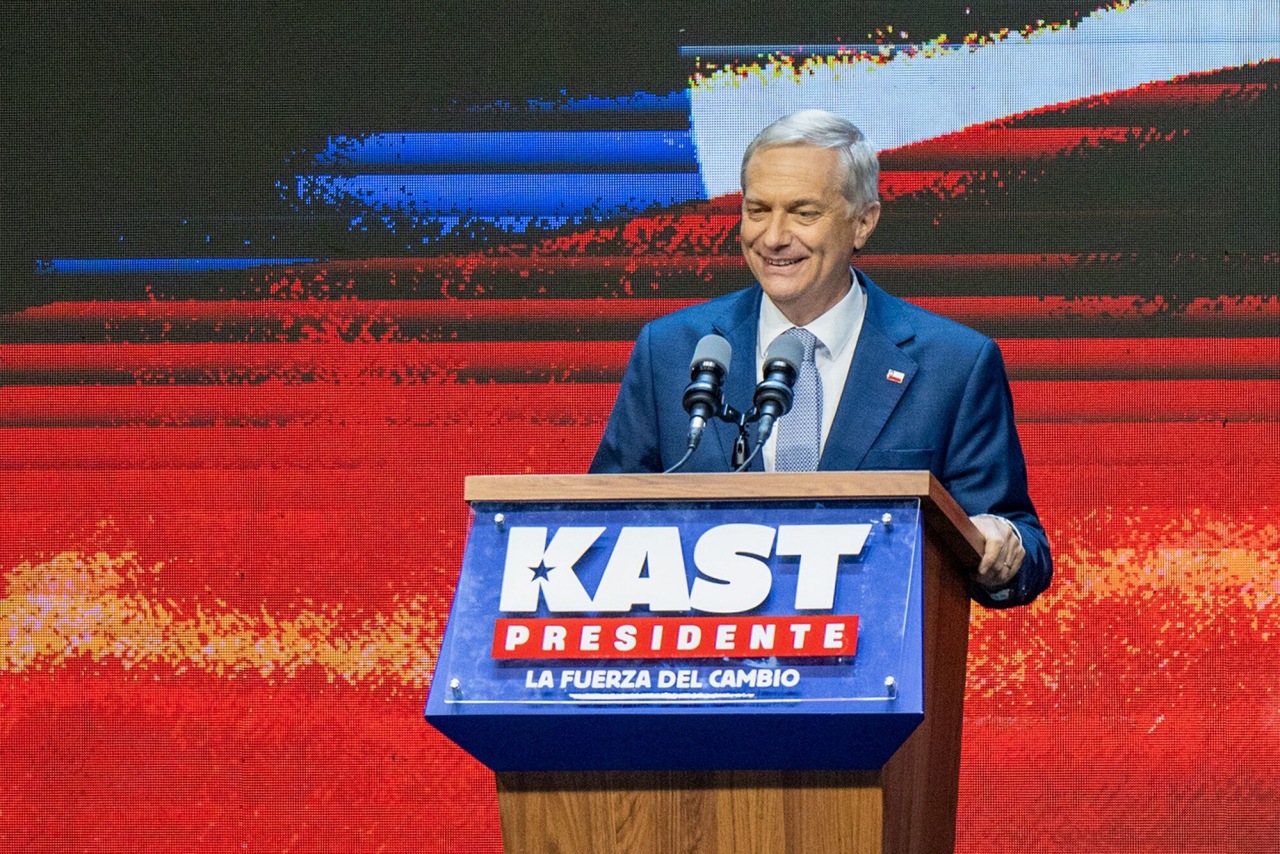
Chile has elected a new right-wing leader, Jose Antonio Kast, whose campaign has capitalized on the growing anti-migrant sentiment sweeping across Latin America. His victory in the recent elections positions him as an ally to several conservative leaders in the region, including those from El Salvador, Ecuador, and Argentina, who share similar views and policies. This shift towards right-wing leadership reflects ongoing political changes in Latin America, particularly as issues surrounding migration become increasingly contentious.
Kast, who officially assumed office on November 30, 2023, has garnered attention not only for his stance on migration but also for his alignment with former U.S. President Donald Trump. His administration is expected to strengthen ties with the United States, particularly in areas of security and economic cooperation. This alignment could have significant implications for U.S. foreign policy in Latin America, as Kast joins a growing list of leaders who have embraced a more nationalist and populist approach.
Political Landscape in Latin America
Kast’s rise comes at a time when many Latin American countries are experiencing a political shift toward the right. Leaders such as Nayib Bukele in El Salvador and Javier Milei in Argentina have adopted strict immigration policies and have openly criticized leftist movements. This trend indicates a broader regional response to issues such as crime, economic instability, and the challenges of integrating migrants into society.
In his campaign, Kast focused heavily on the perceived threats posed by immigration, linking it to rising crime rates and social unrest. His rhetoric resonated with many Chileans who are concerned about the impact of migration on their communities. According to a recent poll conducted by Centro de Estudios Públicos, approximately 60% of Chileans expressed concerns about immigration, highlighting the pervasive sentiment that has fueled Kast’s support.
Implications for Chile and the Region
Kast’s administration is likely to implement stricter immigration controls and policies aimed at curbing the influx of migrants from neighboring countries. This could align Chile more closely with the policies of other right-wing leaders in the region, further isolating left-leaning governments. Additionally, this shift may affect Chile’s relationships with international organizations and neighboring countries that advocate for more humane immigration policies.
The implications of Kast’s presidency extend beyond immigration. His administration’s economic policies are expected to prioritize free-market approaches, appealing to business interests while potentially widening the gap between different social classes. Analysts suggest that his leadership will likely focus on enhancing Chile’s economic ties with the United States, possibly affecting trade agreements and foreign investments.
The election of Jose Antonio Kast marks a significant shift in Chilean politics and reflects broader trends within Latin America. As the region grapples with migration and economic challenges, Kast’s leadership will be closely watched, both domestically and internationally. His ability to address the concerns of Chileans while navigating complex relationships with other nations will define his presidency and its impact on the region’s future.