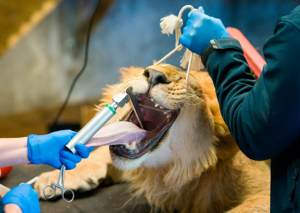
In a significant effort to rehabilitate wildlife affected by the ongoing conflict in Ukraine, a team of specialists has conducted health checks on a group of lions rescued from war-torn regions. The operation took place in Lviv, Ukraine, where these majestic creatures are receiving much-needed care and support.
The lions, rescued from dangerous situations amid the war, are being closely monitored by the International Fund for Animal Welfare (IFAW) and a dedicated animal rescue team. Their primary goal is to ensure the lions are healthy and to help them adapt to their new environment.
Health assessments have revealed various challenges, including malnutrition and stress-related issues. The team has implemented a tailored rehabilitation program focused on physical health and emotional well-being. This involves not only medical examinations but also efforts to build up the lions’ confidence and encourage natural behaviors.
Rehabilitation Efforts Underway
According to team members, the rehabilitation process is crucial for the lions’ long-term recovery. “We have been working closely with the lions to build up their confidence and settle them in,” said a spokesperson from the animal rescue team. This approach involves creating a safe and enriching environment where the lions can thrive.
The emotional and psychological health of the lions is a priority, given the trauma they have faced due to the conflict. Specialists are using a variety of techniques to help the animals adjust, including positive reinforcement and gradual exposure to their new surroundings.
The rescue operation has garnered support from various organizations and individuals, emphasizing the need for international cooperation in animal welfare. As the team continues its work, they remain hopeful that the lions will fully recover and eventually be prepared for reintroduction into a more suitable habitat.
Global Response and Future Plans
The plight of these lions highlights broader issues surrounding wildlife safety in conflict zones. The rescue has not only attracted attention from animal welfare advocates but has also sparked discussions on the need for better protection of wildlife in areas affected by war.
Moving forward, the rescue team plans to expand their efforts, with an aim to rescue more animals in similar situations. The success of this initiative will depend on continued funding and support from the global community.
This rehabilitation project stands as a testament to the dedication of those involved in animal welfare, showcasing the positive impact that coordinated efforts can have in restoring the lives of animals affected by human conflict.