The Hubble Space Telescope has unveiled a breathtaking image of the galaxy NGC 2146, revealing an unusual phenomenon of glowing gas. This captivating observation highlights the intricate processes occurring within this galaxy, located approximately 70 million light-years away from Earth. The image, released by the European Space Agency (ESA), showcases the galaxy’s distinctive structure and the vibrant colors emanating from the gas clouds.
Observations of NGC 2146 indicate that it is undergoing an intense phase of star formation. The glowing gas is a byproduct of this process, demonstrating the galaxy’s dynamic nature. Astronomers believe that the high-energy radiation from newly formed stars ionizes the surrounding gas, causing it to emit light. This phenomenon not only provides insight into the life cycle of galaxies but also enhances our understanding of the universe’s evolution.
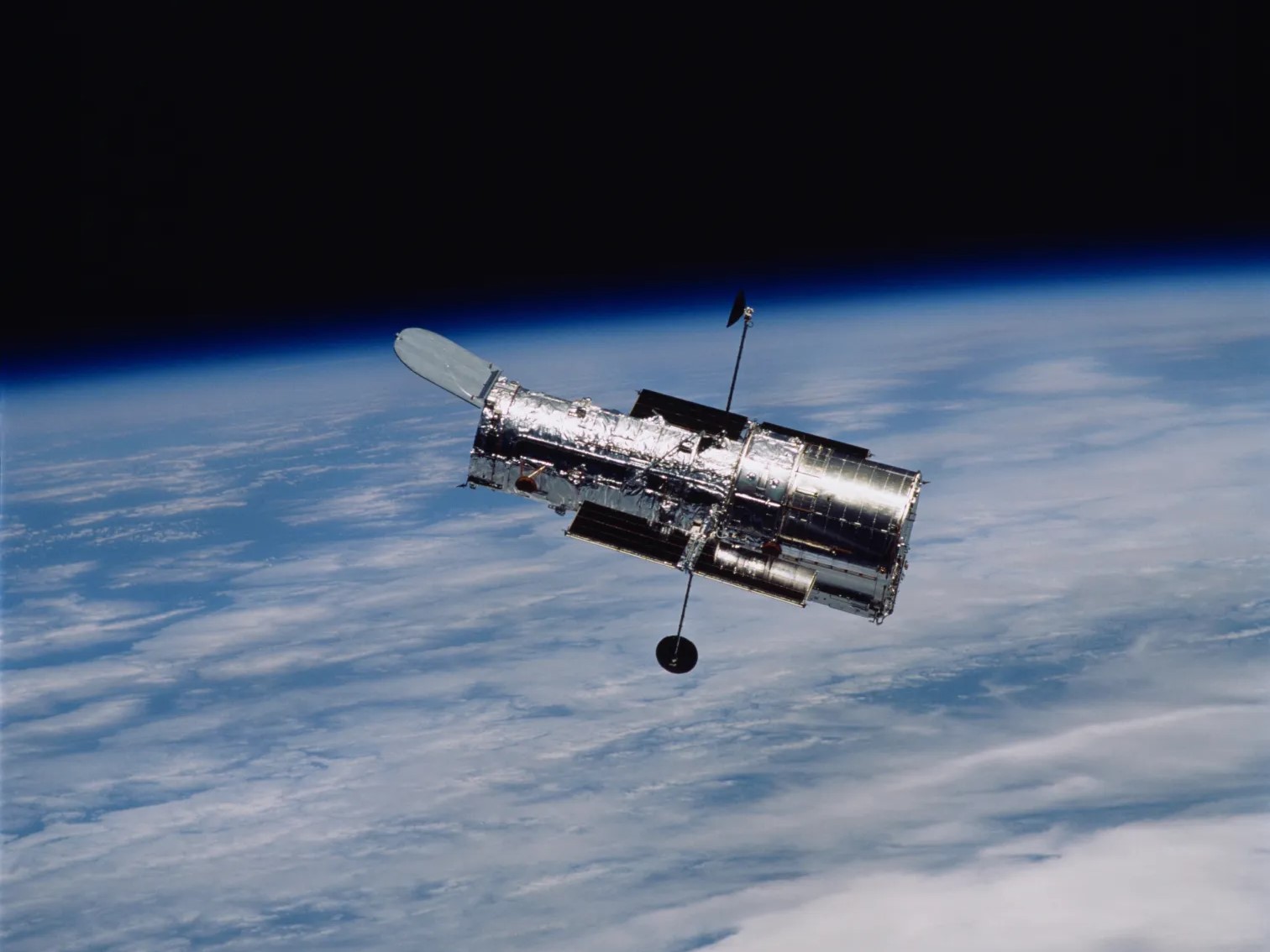
Hubble’s advanced imaging capabilities have allowed scientists to capture this striking visual representation, which is part of the telescope’s ongoing mission to explore cosmic phenomena. The stunning clarity of the image allows for a detailed examination of the gas structures and star formation regions within NGC 2146.
Scientific Significance of the Discovery
The significance of this discovery extends beyond mere aesthetics. According to NASA, studying such galaxies provides essential data about the mechanisms driving star formation. The unique characteristics of NGC 2146 serve as a valuable case study for astronomers seeking to unravel the complexities of galactic evolution.
The image also serves as a reminder of the vastness of the universe and the myriad of phenomena that remain to be discovered. As Hubble continues to operate beyond its expected lifespan, scientists are optimistic that future observations will yield further insights into the cosmos.
Impact on Future Research
The release of this image reinforces the importance of space telescopes in advancing our knowledge of the universe. The Hubble Space Telescope, launched in 1990, has transformed our understanding of space through its groundbreaking observations. With over three decades of data, Hubble has provided astronomers with a wealth of information, enabling them to make significant discoveries about galaxies, black holes, and the fundamental nature of the universe.
As research continues, the data acquired from NGC 2146 could influence future studies, potentially leading to new theories about galaxy formation and evolution. The ongoing exploration of such cosmic phenomena underscores the collaborative efforts of the international scientific community in unraveling the mysteries of the universe.
In summary, the recent image of NGC 2146 captured by the Hubble Space Telescope not only showcases a visually stunning aspect of the galaxy but also contributes to the broader understanding of stellar processes. The insights gained from such observations will undoubtedly continue to inspire future generations of astronomers and space enthusiasts alike.