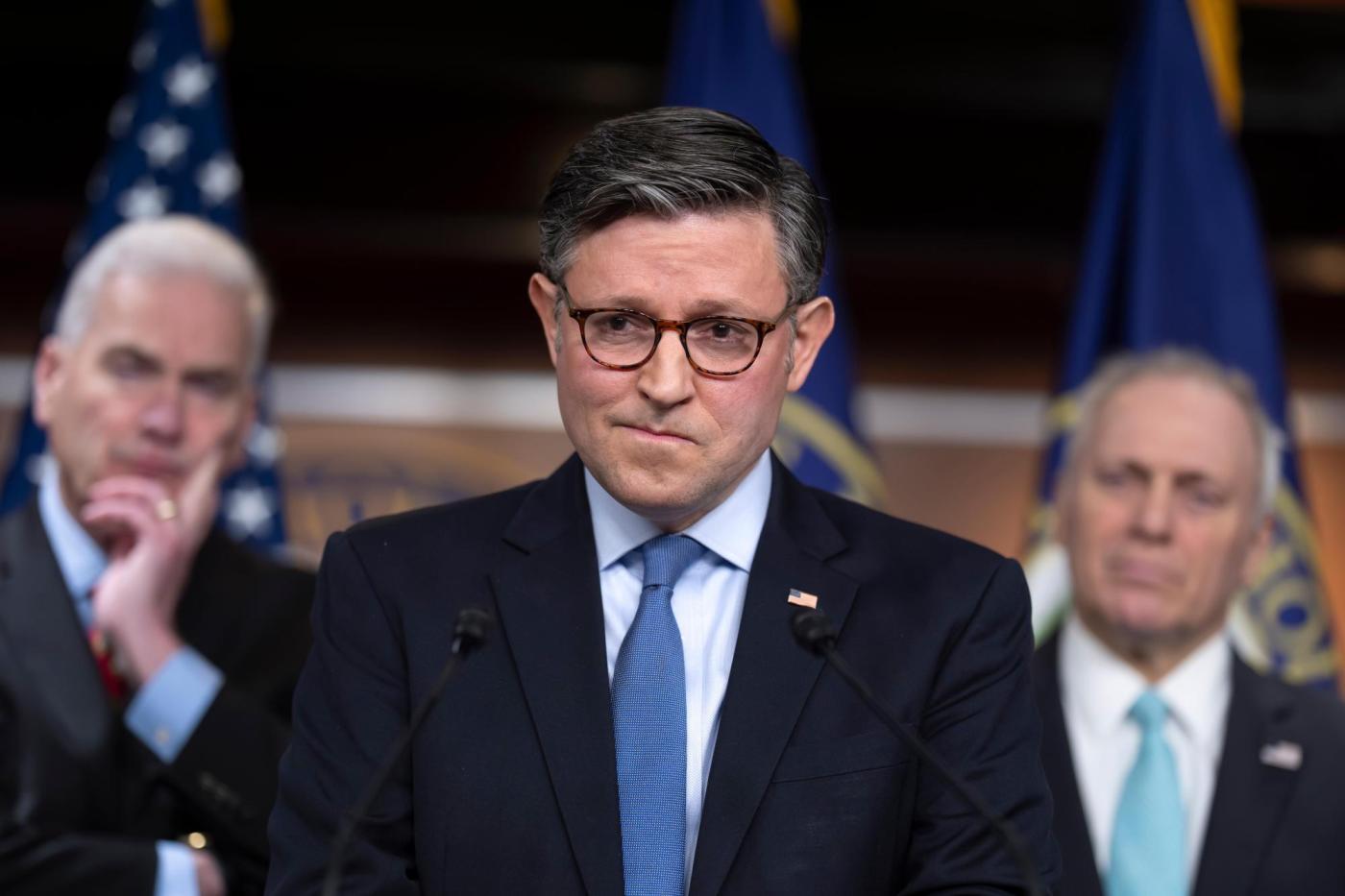
The House of Representatives will not hold a vote on extending federal healthcare subsidies, as confirmed by Speaker Mike Johnson. This decision comes amid ongoing tensions within the Republican Party regarding the future of insurance premium tax credits established under the Affordable Care Act. These credits, which were temporarily expanded in 2022, are set to expire at the end of this month.
Johnson explained that he could not reach a consensus with Republican members from moderate districts who sought a vote on the subsidies, which could mitigate potential premium increases. Recent electoral outcomes in New York City, New Jersey, and Virginia highlighted the risk higher costs pose for the GOP, particularly as the midterm elections approach in 2024.
“Many of them did want a vote on this Obamacare, you know, COVID-era subsidy the Democrats created,” Johnson told reporters. “We looked for a way to try to allow for that pressure-release valve and it just was not to be.” He noted that discussions continued throughout the weekend but ultimately did not result in an agreement.
Republican Representative Mike Lawler of New York, who holds a competitive seat, expressed strong disapproval of the decision, calling it “idiotic” and “shameful” to block a vote on the tax credits. “This place is disgraceful. Everybody wants the upper hand. Everybody wants the political advantage,” Lawler said during a speech on the House floor. “They don’t actually want to do the damn work!”
Johnson acknowledged Lawler’s advocacy for his constituents, stating that “Mike Lawler fights hard for New York, as every Republican in this conference does for their districts.” He emphasized that the priorities vary across different districts, yet there are members committed to reducing costs for their constituents.
In contrast, Democrats have expressed support for extending the tax credits. House Minority Leader Hakeem Jeffries criticized the Republican approach, stating that the upcoming legislation fails to address the affordability of healthcare for everyday Americans. He remarked, “The Republican legislation that will be on the floor this week does nothing to keep healthcare affordable for everyday Americans, and they know it, which is why there’s an internal revolt amongst House Republicans.”
With the expiration of these subsidies looming, the debate surrounding healthcare affordability is set to intensify, particularly as political pressures mount ahead of the upcoming elections. Lawmakers on both sides are likely to continue to grapple with the implications of this decision for their constituents and the broader healthcare landscape.