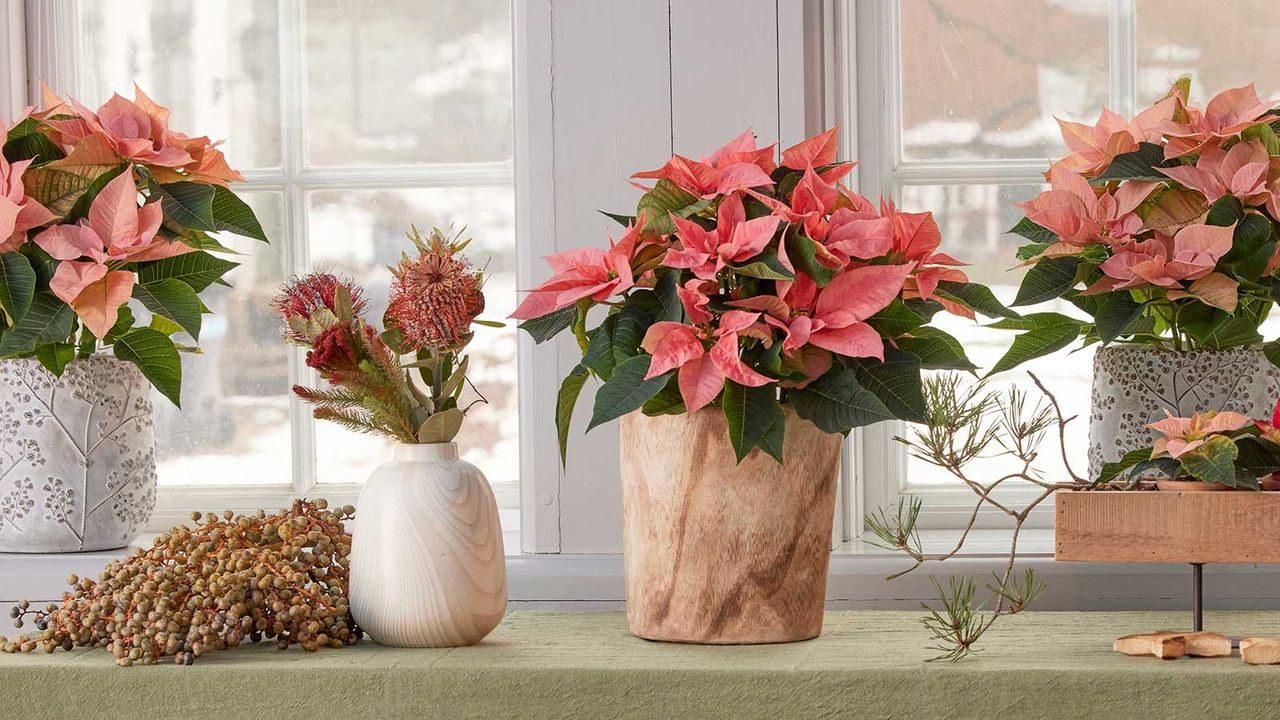
The festive season often brings the vibrant poinsettia into homes around the world. Known for its striking red and green colors, this plant requires proper care to maintain its beauty long after the holidays. Contrary to the belief that they are short-lived decorations, poinsettias can thrive indoors for several years with the appropriate attention.
The history of the poinsettia dates back to its native Mexico, where it flourished long before it became a holiday staple. The plant was introduced to the United States in the early 19th century by botanist and diplomat Joel Roberts Poinsett, after whom it is named. By the mid-1900s, cultivation techniques and marketing strategies established it as the quintessential Christmas plant.
To ensure your poinsettia remains healthy and vibrant, consider the following expert recommendations on care and maintenance.
Choosing and Transporting Your Poinsettia
The first step in successful poinsettia care begins before purchase. Select a healthy plant from a reputable retailer, ideally one with undamaged foliage and budding flowers nestled between the colored bracts, which are often mistaken for flowers. Naomi Robinson, founder of Houseplant Authority, advises purchasing from an indoor store and avoiding displays near automatic doors. Exposure to cold drafts can hinder the plant’s longevity.
When transporting your poinsettia, protect it from temperature fluctuations. Dr. Susanne Lux, an international campaign coordinator at the collective Stars for Europe, suggests wrapping the plant in paper to shield it from drafts and temperatures below 12°C (54°F). Once home, remove any protective sleeves and place the pot on a saucer to prevent overwatering.
Creating the Ideal Environment
Poinsettias are sensitive to temperature changes, making consistency vital for their health. Sudden shifts, such as moving a plant from a warm room to a chilly hallway, can stress it significantly. Factors like drafts, cold windowsills, and proximity to heat sources can lead to leaf drop and fading bracts.
For optimal results, maintain a temperature range of 15-22°C (59-72°F). Robinson notes that while poinsettias do not usually favor direct sunlight, they can tolerate a south-facing window during winter months. Just be cautious to relocate them away from direct light as temperatures rise in spring.
Watering practices also play a critical role in plant health. The key is to water only when the top inch of soil is dry to the touch. Overwatering is the most common mistake, and excess water should be allowed to drain to prevent root rot. Gail Pabst from the National Garden Bureau emphasizes that for a 5-inch pot, a small glass of water will suffice. Mini poinsettias may require daily watering, especially in smaller pots.
Feeding and Long-Term Care
It’s important to avoid fertilizing poinsettias while they are in full bloom. Instead, wait until the bracts begin to fade. Andrew Gaumond, horticulturist and editorial director at Petal Republic, advises using a balanced, water-soluble houseplant feed only once or twice during spring and summer.
Poinsettias thrive with proper care and can last beyond the holiday season if given the right conditions. Their vibrant colors can brighten any indoor space throughout winter and beyond.
In addition to basic care, it’s useful to recognize signs of distress. Drooping or yellowing leaves can indicate watering issues, while sudden leaf drop may suggest root problems. Adjusting watering habits promptly can often reverse these issues.
For plant enthusiasts looking to expand their collection, consider the various colors available beyond the classic red. Poinsettias come in shades such as white, cream, salmon, and magenta, among others.
As you care for your poinsettia, remember that with the right attention, these festive plants can continue to thrive and bring joy to your home for many seasons to come.