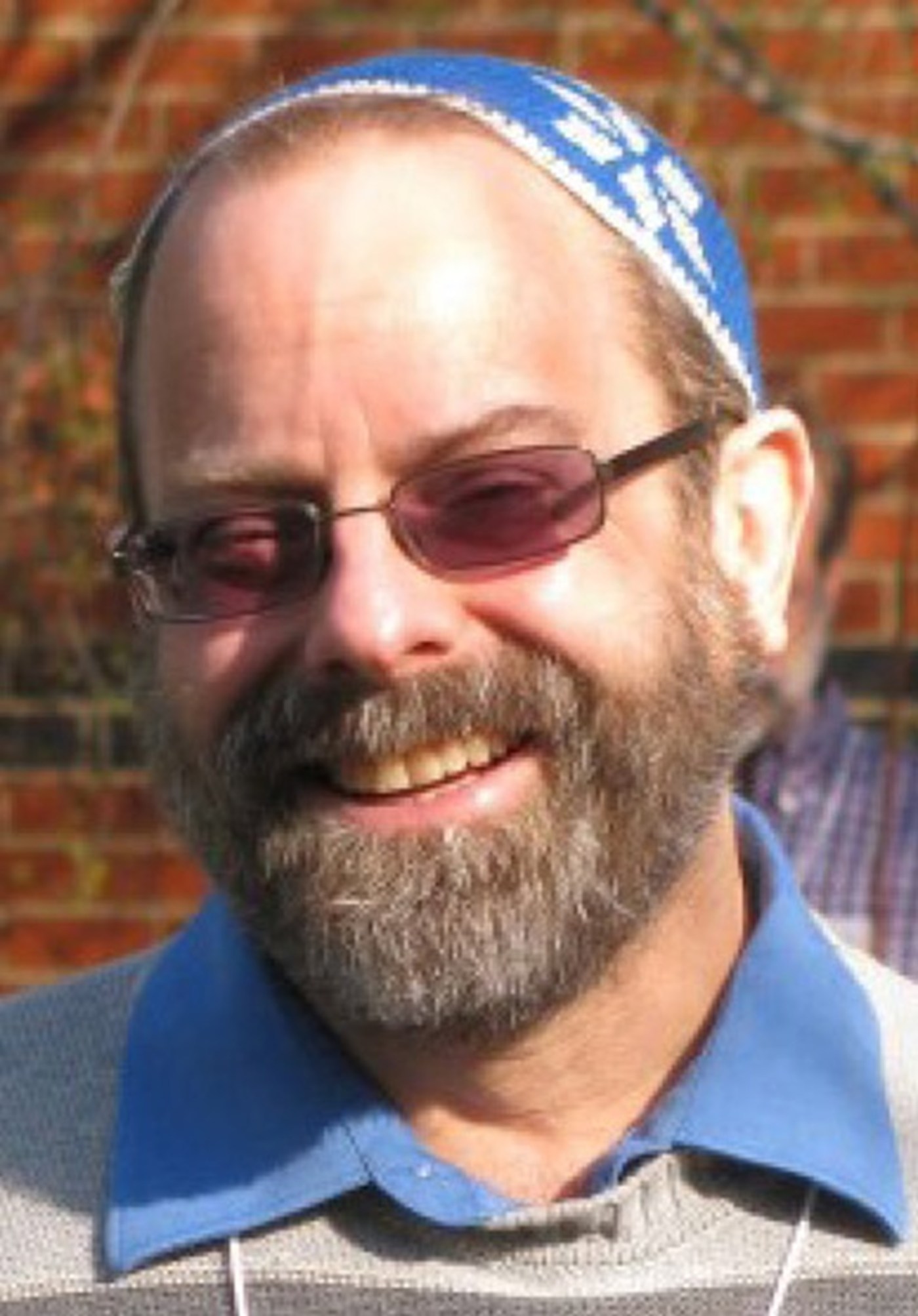
Rabbi Daniel Swartz, the spiritual leader of Temple Hesed in Scranton, has called for a renewed recognition of our shared humanity in a time of increasing division and violence. In his reflections, he echoes the sentiments of singer and actress Ethel Waters, who famously stated, “I am somebody ’cause God don’t make no junk!” This message resonates across various faiths, underscoring the inherent worth of every individual.
The importance of treating others with dignity is evident in many religious texts. For instance, in the Christian tradition, Jesus emphasizes this in Matthew 25:35, saying, “I was a stranger and you welcomed me.” The Hebrew Scriptures reflect this principle as well, with the commandment to care for the ger—translated as “stranger” but more accurately referring to foreigners, immigrants, and refugees—repeated 36 times. This repetition highlights both the significance of the message and the ongoing struggle to embody it.
Rabbi Swartz points to a troubling human tendency to label entire groups based on religion, ethnicity, or other characteristics. He argues that such labels can lead to significant societal dysfunction, which ultimately paves the way for violence. While most individuals who express hatred do not resort to violence, the continuous dehumanization of certain groups creates an environment where violence can flourish. Historical events, including massacres and genocides, serve as stark reminders of the consequences of such rhetoric.
The rabbi emphasizes that the biblical mandate to love the stranger does not require agreement or affection towards them. Instead, it calls for an acknowledgment of our shared humanity, urging compassion and fairness. This recognition of commonality has inspired numerous heroes throughout history, from those who aided Jewish families during the Holocaust to individuals who fought against slavery in the American South.
As the seasons change and nights grow longer and colder, many faiths engage in rituals that symbolize light, such as lighting the menorah or decorating with Christmas lights. While these practices bring warmth and joy, Rabbi Swartz argues that they also symbolize a deeper responsibility: to bring spiritual light into the world, combating the darkness of hatred and fear.
He poses a challenging question: Can our light withstand the depths of darkness that seem to pervade many areas of our lives? It requires courage to confront these issues, and he believes that the light of compassion can ultimately prevail. “We can’t let terror and hate win by being afraid,” he says, advocating for a proactive approach that embraces differences rather than fearing them.
Rabbi Swartz notes that real change requires more than just resistance to hate; it demands a commitment to living out the values of kindness and acceptance. He encourages individuals to demonstrate their strength not through division but by celebrating both shared humanity and the unique qualities that each person brings.
In closing, the rabbi states, “God does not make junk.” He believes that our world is enriched by the diversity of its people. May we find the courage and wisdom to embrace this truth and work towards a more compassionate society, one that recognizes the inherent worth of every individual.