The financial landscape for nostalgia-driven collectibles has shifted dramatically, particularly for toys that captured the hearts of children in the 1990s. Recent evaluations reveal that many of these iconic toys now command high prices on resale markets, reflecting their enduring popularity and the emotional connections they fostered.
Among the most notable examples is the Tamagotchi, the virtual pet that became a cultural phenomenon. Originally retailing for around $17 in the 1990s, mint-condition versions are now selling for upwards of $200 on platforms like eBay. This significant price increase illustrates how childhood memories can translate into substantial financial value.
Market Trends for Classic Collectibles
Another toy that has seen a remarkable appreciation in value is Beanie Babies. Once viewed as a passing fad, certain rare editions are now fetching prices between $1,000 and $5,000 depending on their rarity and condition. For instance, the Princess Diana Beanie Baby, originally sold for $5, can now reach prices as high as $2,000.
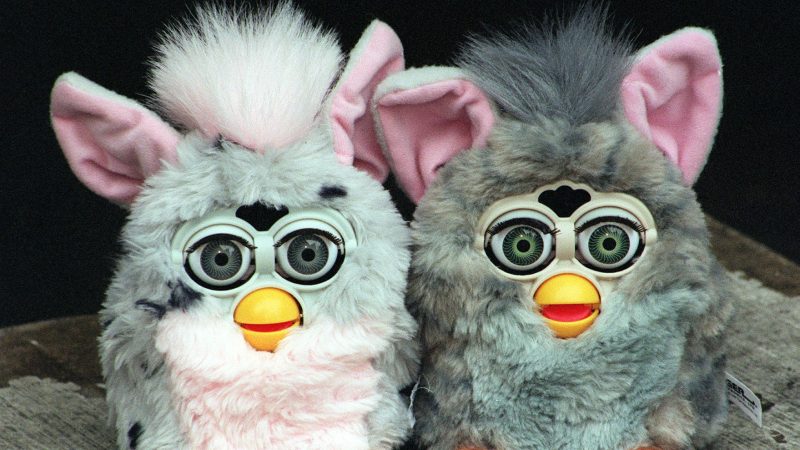
The Furby, a robotic toy that was a hit during the late ’90s, can also be found on resale sites for prices ranging from $50 to $300, depending on the model and packaging. This resurgence in interest points to a growing trend among collectors and nostalgic buyers who are willing to pay a premium for items that remind them of their childhood.
Collecting Trends and Future Value
The phenomenon of toys appreciating in value is not limited to the United States. Collectors around the world are keenly interested in securing these nostalgic items, which has led to a thriving global market for rare toys. Events such as toy fairs and online auctions have become hotspots for enthusiasts looking to expand their collections.
Interestingly, the value of toys like the Game Boy has also increased. Originally priced at around $89.99, complete sets with original packaging are now listed for several hundred dollars, particularly for rare editions. The blend of nostalgia and the classic gaming experience continues to captivate new generations of collectors.
The rise in prices for these toys illustrates a broader economic trend where collectibles are increasingly viewed as alternative investments. As more individuals recognize the potential for financial return, the demand for rare and nostalgic items is expected to grow, potentially driving prices even higher in the future.
In summary, the toys of the 1990s are not merely relics of the past; they are valuable assets that capture the spirit of a generation. With some items now selling for hundreds or even thousands of dollars, the market for these nostalgic collectibles is thriving, reflecting a deep-seated emotional and financial investment in childhood memories.