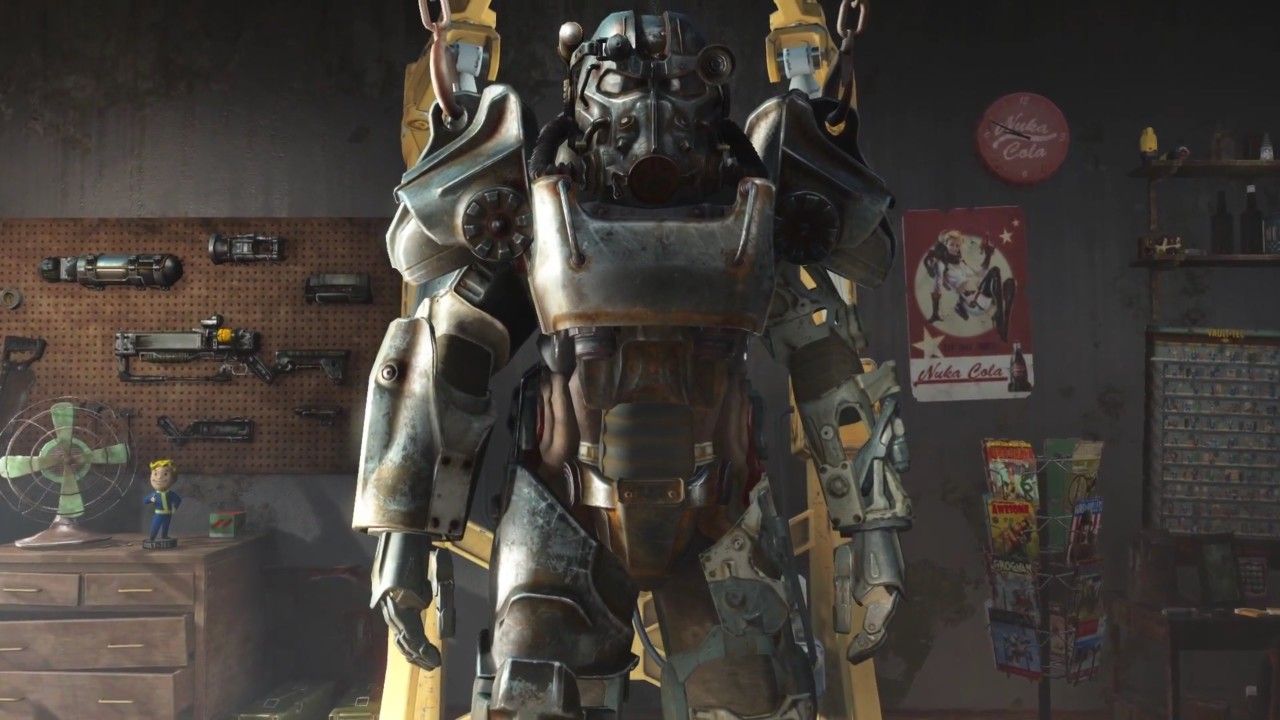
Bethesda’s lead writer, Emil Pagliarulo, has elaborated on the distinct storytelling approaches between the fantasy role-playing game (RPG) series, The Elder Scrolls, and the sci-fi RPG series, Fallout. His insights highlight how the narrative complexities in each genre shape player experiences and moral dilemmas.
In an interview with GamesRadar+, Pagliarulo emphasized that the narrative structure in a fantasy setting like Skyrim tends to be more straightforward. He noted that fantasy games often feature clear distinctions between good and evil, stating, “I think it’s easier in a fantasy game like The Elder Scrolls, where a lot of fantasy tropes are ‘there’s a big bad evil.’” This clarity allows players to make decisions with a more defined understanding of their consequences.
Conversely, Pagliarulo described the challenges players face in the Fallout series, particularly in titles like Fallout: New Vegas. He explained that players encounter numerous factions with conflicting agendas, making the choice of whom to support significantly more complex. “In Fallout, there are a lot of shades of gray,” he said.
The moral ambiguity in Fallout is exemplified in Fallout 4, where factions like the Brotherhood and the Institute present players with tough ethical questions. Pagliarulo pointed out, “No matter what they do, you have to sit back and go, ‘maybe they have a point.’” He raised important questions about the nature of artificial intelligence in the game, asking, “Are the synths just really toasters? Are they just machines? We created them; do they deserve to have freedom?”
These narratives challenge players to consider deeper philosophical issues about technology and humanity’s role in its stewardship. Pagliarulo’s reflections on the Brotherhood also highlight the conflict between power and responsibility. He remarked, “The Brotherhood is a bunch of hard asses, but does humanity really deserve to be in control of this technology that they are clearly not using responsibly?”
The engaging complexity of these themes has contributed to the enduring popularity of the Fallout series, maintaining player interest across multiple playthroughs. Pagliarulo’s insights reveal how the layered storytelling in Fallout offers a unique experience that contrasts sharply with the more conventional narratives found in traditional fantasy RPGs.
As fans eagerly anticipate future installments, the dialogue surrounding the narrative strategies employed by Bethesda continues to enrich the gaming community’s understanding of RPG storytelling.