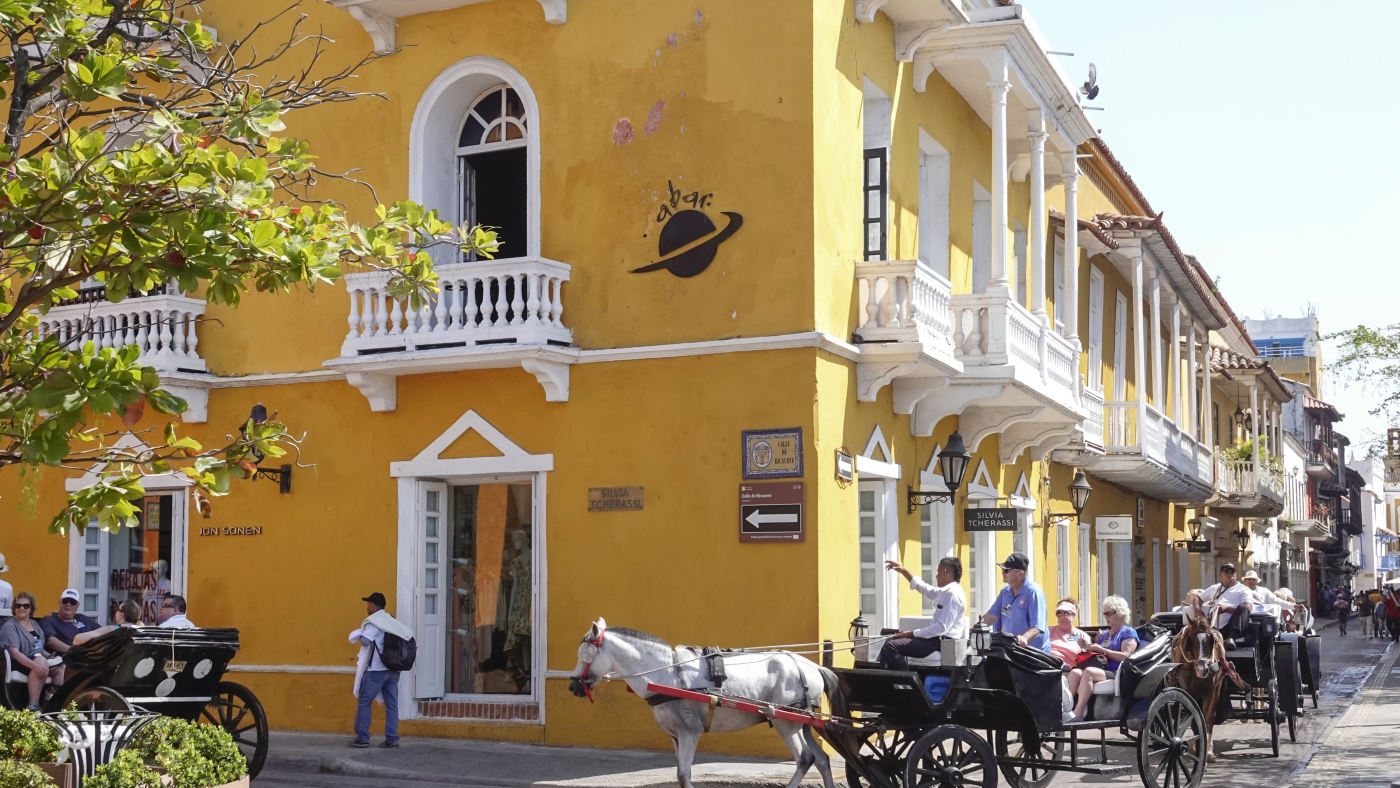
Cartagena, Colombia, is set to retire its iconic horse-drawn carriages in favor of electric buggies, a decision driven by animal welfare concerns. Effective December 29, 2023, the traditional buggies will be replaced by a fleet of 62 electric carriages imported from China, marking a significant shift in the city’s approach to tourism and transportation.
The historic city, renowned for its colonial architecture and vibrant culture, has long been associated with horse-drawn carriages. These carriages have provided tourists with a charming way to explore its sun-soaked plazas and narrow streets. However, the city government has faced increasing pressure to address the welfare of the horses that pull these carriages. Local animal rights advocates argue that the horses are subjected to undue stress from traffic and the harsh conditions of paved roads.
Fanny Pachon, a prominent animal rights activist, highlighted the toll on the horses, mentioning instances of exhaustion leading to horses collapsing. “Horses are pack animals, and they’re designed to carry things,” she stated. “But they’re meant to be in rural areas, not in the middle of a city.” This sentiment echoes the growing concerns among city officials and activists alike.
In response to these concerns, comedian and activist Alejandro Riaño has advocated for the transition to electric vehicles for the past four years. He successfully raised over $25,000 to develop a prototype electric carriage that resembles the traditional buggies. The prototype was tested on the streets of Cartagena two years ago, showcasing the feasibility of this innovative approach.
The new electric carriages will feature large wheels and open tops, similar to their horse-drawn predecessors, while being powered by batteries capable of lasting approximately 70 kilometers (43 miles) on a single charge. They will also include modern amenities, such as speakers for music or sound effects mimicking a horse’s gallop. According to Liliana Rodriguez, director of Corpoturismo, the agency overseeing tourism, these changes align with the environmental goals of the city, as the electric vehicles will be charged using solar power.
The city is investing around $2 million in this transition, which includes a solar-powered charging station. Despite the positive outlook from city officials, the horse cart owners are expressing deep concerns about their livelihoods. Many owners, like Miguel Angel Cortez, who operates two horse carriages generating around $150 daily, feel sidelined by the municipal government’s plans. “We are not against a transition,” he said, “but we need to know how we will be included.”
Discussions about compensation have surfaced, with cart owners mentioning a proposed payment of $10,000 for their carriages. Many believe this amount falls short of compensating for their losses. Cartagena’s mayor, Domek Turbay, accused the cart owners of “sabotaging” negotiations while asserting that the city is willing to share the profits from the new electric vehicles.
As the deadline approaches, the city plans to offer tourists free rides on the new electric buggies for the first two months. Some current horse cart drivers have indicated they would apply for positions with the new fleet, but others remain skeptical about the appeal of electric vehicles compared to the traditional experience. “People come to Cartagena for tradition,” said Cristian Munoz, a horse cart driver. “Without the horses, it’s not the same.”
This transition in Cartagena reflects a broader trend toward modernization and sustainability in tourism, balancing the need for animal welfare with the city’s rich cultural heritage. As the new year approaches, the city will navigate the challenges of implementing these changes while addressing the concerns of all stakeholders involved.