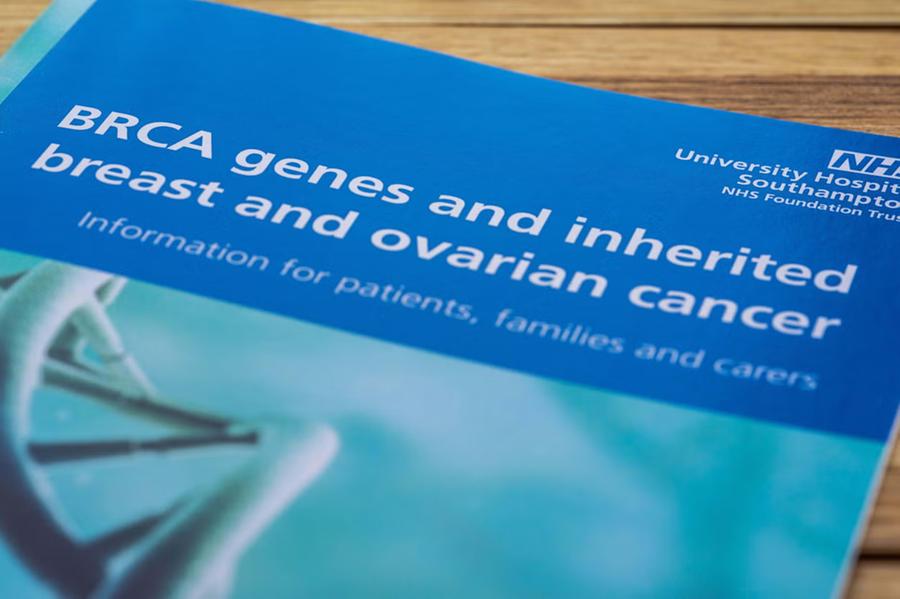
UPDATE: New insights highlight the urgent need for awareness about BRCA gene mutations and their implications for the Jewish community, particularly among Ashkenazi Jews. Recent discussions emphasize the critical importance of understanding genetic risks that can lead to life-saving interventions.
Experts reveal that every individual possesses BRCA1 and BRCA2 genes, which are vital for cancer prevention. However, mutations in these genes can significantly increase the risk of developing cancers, especially breast and ovarian cancers. This is particularly relevant for Jewish individuals, who display higher prevalence rates of these mutations.
Dr. Ellie Cannon, a leading expert in genetics and cancer prevention, stresses the importance of genetic testing. “Knowledge is power,” she states, underscoring that identifying BRCA variants can guide individuals and families in making informed health decisions. These may include regular screenings for early signs of cancer, or more drastic measures such as risk-reduction surgeries.
The urgency of this issue cannot be overstated. Recent data indicates that Jewish women are not only at a higher risk due to BRCA mutations but also potentially due to other unidentified genetic or environmental factors. This means that families with a history of breast cancer may face risks even without identifiable BRCA variants.
Genetic counseling is crucial for those with BRCA mutations. Individuals are encouraged to consult genetic clinics to understand their specific risks and the implications for their families. The choice of preventative measures, whether through surgery or chemoprevention, is deeply personal and varies by individual circumstances.
The Jewish community often experiences concentrated genetic traits due to historical marriage patterns, leading to a tighter gene pool. This phenomenon can perpetuate the prevalence of certain mutations, necessitating increased awareness and proactive health management.
As awareness grows, the call for community education on BRCA and its implications is more urgent than ever. The potential for early detection and prevention strategies could save countless lives.
For those seeking further information, Dr. Cannon is available at DGA Health and her latest book, The Little Book of HRT, offers insights into hormonal health and its intersection with genetic risks. The time for action is now—understanding your genetic make-up could be the key to combating cancer risks effectively.
Stay informed, stay proactive, and remember: the knowledge of your genetic risks can empower you to take control of your health.