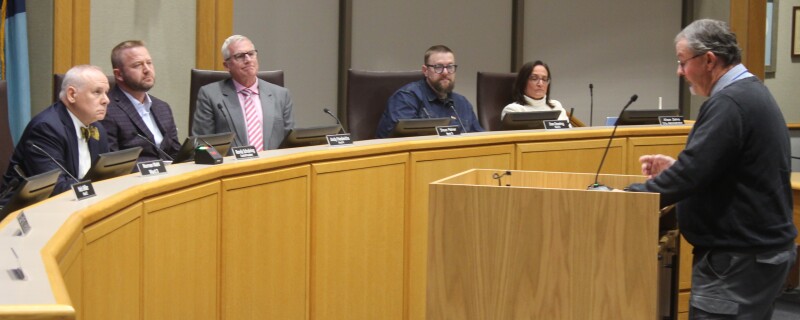
UPDATE: In a decisive move, the Rochester City Council has approved the initial phase of a $65 million sports and recreation complex, overriding Mayor Kim Norton‘s vetoes on $52.2 million in construction contracts. This crucial decision, made on Monday, March 25, 2025, paves the way for construction to commence this spring.
Supporters, including Clark Jones, head baseball coach at Rochester Community and Technical College, passionately advocated for the project, emphasizing its potential to transform local sports. “Providing a quality tournament in Rochester, on turf fields during March, for us would be a game changer,” Jones stated during the council meeting.
The council’s vote, which passed with a 5-2 margin, allows the project to move forward despite concerns voiced by the mayor and some residents about the facility’s scope. Norton argued that the current plan does not reflect the community’s desire for a comprehensive indoor and outdoor facility, saying, “The project before you is not a year-round, community-focused, indoor-outdoor and economically viable sports and recreation facility.”
Residents have expressed mixed feelings regarding the revised plans. Some, including Jane Shellum, voiced disappointment that the project has shifted focus, stating, “If you are going to pivot so much from what was promised publicly to the voters, it should go back to the voters.”
Despite the pushback, proponents highlight the economic benefits of the complex. Supporters assert that the facility will enhance sports tourism, drawing visitors who will contribute to local businesses. “Visitors spend a lot of money on hotels, restaurants, and shopping,” noted Pat Sexton, a board member of the Rochester Sports Foundation.
The approved plan includes outdoor turf fields that will benefit various sports, including baseball, soccer, and lacrosse. Mike Vance, a member of the Rochester Youth Baseball board, emphasized that the complex will serve a broader community, stating, “The baseball community is not the lone benefactor of this facility.”
However, not all residents are convinced. Concerns linger over the absence of an indoor facility, with some questioning whether the current plans align with community needs. AJ Colapinto remarked, “If the local use is that half the year I can play pickleball…I don’t think it’s really serving the local use.”
The council’s decision is framed within the context of a 2023 voter mandate to develop a sports complex. Council President Randy Schubring emphasized the importance of adhering to the popular vote, saying, “There are very few, if any, other issues that come to this council where the voters have voted.”
As construction is set to begin, the council will need to balance community feedback with the project’s momentum. The next steps will involve finalizing plans and ensuring that the facility meets the diverse needs of Rochester’s residents.
This ongoing debate highlights the complex relationship between community expectations and development realities, underscoring the importance of responsive governance in shaping public projects.