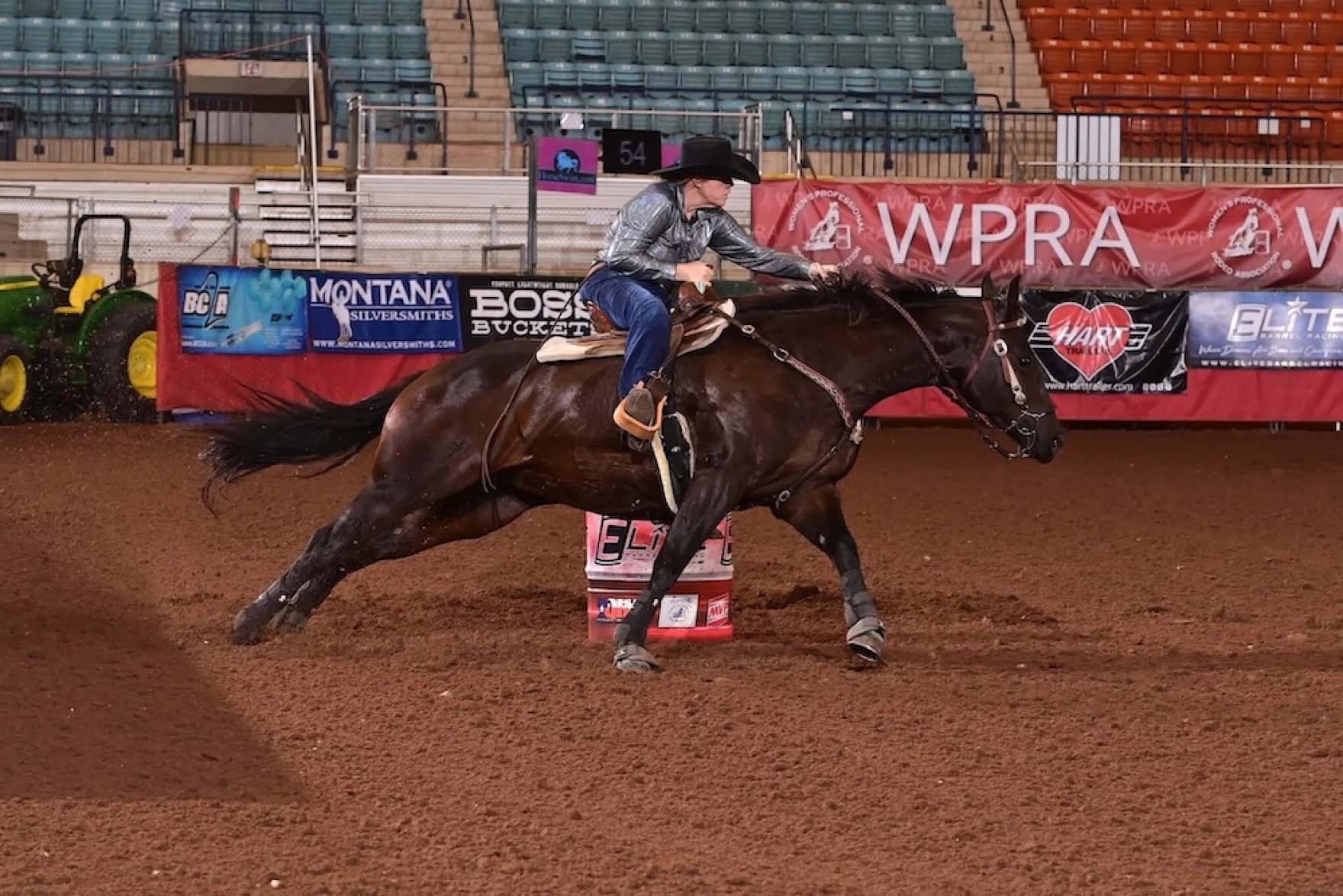
UPDATE: The dangerous equine herpesvirus outbreak linked to the World Championship Barrel Racing Finals in Waco, Texas, is reportedly slowing, as no new cases have emerged since December 3. This development has brought a sigh of relief to the equine community, but veterinarians continue to urge caution as the virus, known as EHV-1, can lead to severe complications.
The Texas Animal Health Commission confirmed 60 cases of EHV-1 and its more severe form, equine herpesvirus myeloencephalopathy (EHM), across eight states—including Texas, Oklahoma, South Dakota, and Louisiana. Symptoms of the virus include fever, cough, and runny nose, but it can escalate into life-threatening conditions affecting the nervous system.
Veterinarians like Nathaniel White, director of the Equine Disease Communication Center, stated, “That’s a good sign. It looks like it’s slowed down.” However, the situation remains dynamic, with potential complications arising from previously exposed horses.
Horse owners like Laura Gardner, a barrel racer from Parker, Texas, are feeling the strain of the outbreak. Gardner attended the Waco event and another major barrel race in Guthrie, Oklahoma, shortly afterward. She felt the anxiety grow as rumors of sick horses circulated during the Oklahoma competition. “By 3 o’clock, people were packing up and leaving,” Gardner recalled. “I ended up calling my veterinarian too. And she said, ‘If there is a serious concern that there is EHV, it is not worth the risk.’”
The Texas Animal Health Commission’s executive director, Lewis “Bud” Dinges, received reports of sick horses about a week after the Waco event. His team identified the outbreak’s origin and traced horses to 19 events where they may have spread the virus, affecting approximately 2,200 trace horses beyond Texas.
Affected horse owners have faced challenging decisions. Many are required to quarantine potentially exposed horses for 21 days and monitor their temperatures twice daily. Gardner, lacking the space to isolate her horses, opted for a risky approach, stating, “I made the decision to just like, let her rip and the chips will fall where they may.”
The outbreak has heightened anxiety even among horse owners who didn’t attend recent events. Chelsea Kaufman, a barrel racer from northeast Nebraska, expressed fear comparable to the onset of the COVID-19 pandemic, saying, “My horses can’t tell me what’s wrong.”
As events across the country were canceled or modified—such as the Prairie Circuit Finals Rodeo in Kansas and the Old-Fashioned Christmas Parade in Lawrence—organizers are weighing the risks. Some events proceeded with enhanced biosecurity measures, while others were outright canceled.
The EHV-1 vaccine does not prevent severe complications like EHM but can help control its spread. White emphasized the importance of biosecurity, stating that improved awareness among horse owners has emerged over his 30-plus years in equine medicine.
Looking ahead, horse owners remain vigilant. Gardner plans to return to local shows in small increments, stating, “I would probably feel comfortable taking them to a small local show maybe next week, but I’m not planning on going anywhere big until January.”
As the situation develops, horse owners are advised to stay informed and take necessary precautions. With the virus’s potential long incubation period, vigilance remains crucial in protecting equine health.