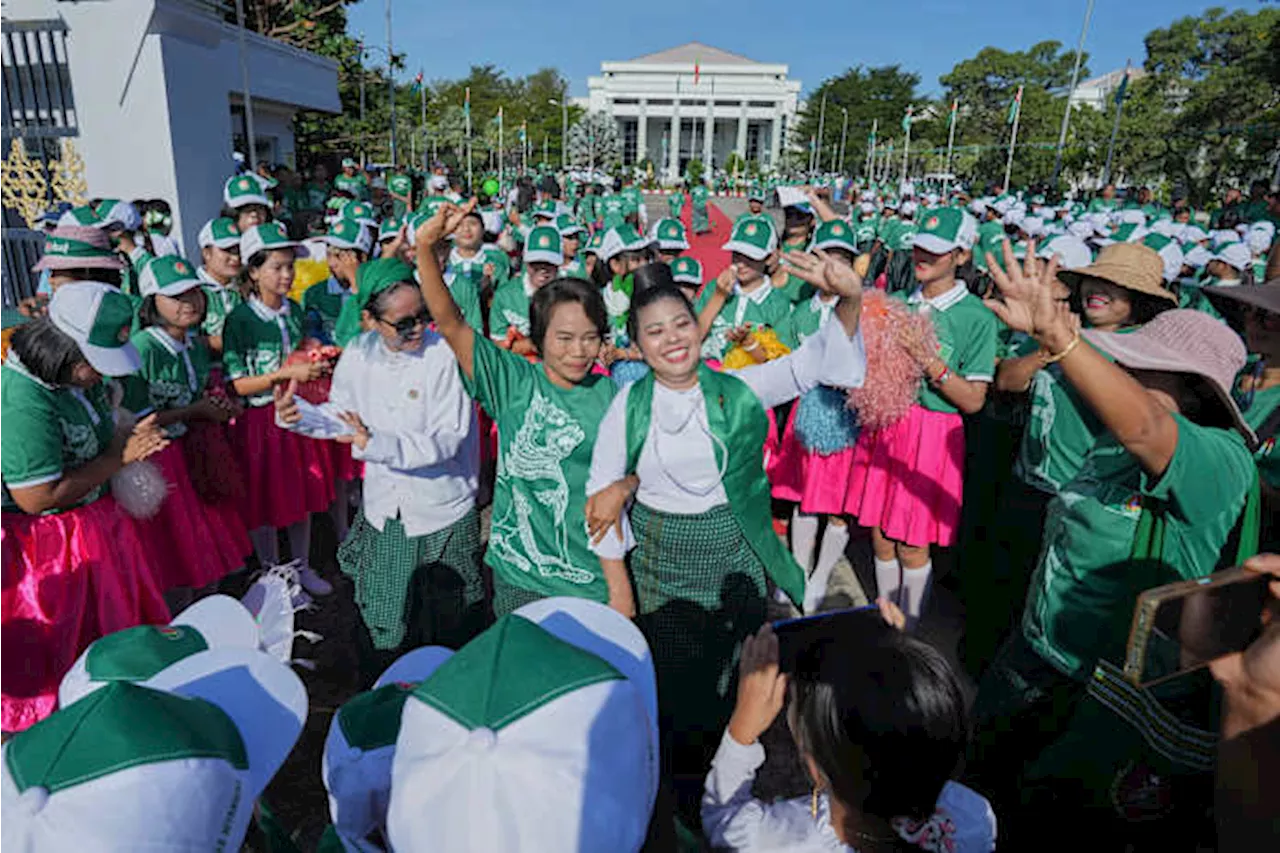
UPDATE: Myanmar is set to hold highly controversial elections amid widespread skepticism and allegations of military manipulation. Voting begins today in 102 of the country’s 330 townships, with further phases scheduled for January 11 and January 25. Critics argue that these elections will not restore democracy or bring an end to the ongoing civil war, which has escalated since the military coup in February 2021.
The military junta frames the elections as a return to multi-party democracy, yet opposition groups and analysts are voicing strong doubts about the fairness and credibility of the process. Richard Horsey, a Myanmar analyst for the International Crisis Group, states, “These elections are not credible at all. They do not include any of the political parties that did well in the last election.” This stark reality raises critical questions about the legitimacy of the vote, especially since the military-backed Union Solidarity and Development Party is expected to dominate.
The military’s strategy is clear: create a “civilian veneer” over its continued rule to claim legitimacy both domestically and internationally. The junta has already dissolved the National League for Democracy, the party that won in a landslide in 2020, and many opposition parties are boycotting the elections due to perceived unfair conditions.
More than 22,000 people are currently imprisoned for political reasons, according to the Assistance Association for Political Prisoners. The human toll of the conflict has been devastating, with over 7,600 civilians killed by security forces since the coup. The United Nations has warned of intensified violence and repression, stating, “Myanmar is witnessing intensified violence, repression, and intimidation ahead of military-controlled elections.”
Voting will be limited in regions plagued by conflict, with 65 townships unable to participate due to ongoing fighting with ethnic guerrilla groups. The Union Election Commission has not disclosed the total number of eligible voters, but in 2020, there were over 37 million registered voters. With nearly 5,000 candidates competing for more than 1,100 seats, the conditions suggest that the military will maintain substantial control.
Looking ahead, the international community is closely monitoring the situation. Western nations continue to enforce sanctions against Myanmar’s ruling generals for their anti-democratic actions. The outcome of these elections could exacerbate tensions further, as dissenting voices and resistance movements seek to challenge the military’s authority after the polls.
As Myanmar approaches this pivotal moment, the stakes are high for the country’s future and the well-being of its citizens. The coming days will reveal whether the military can solidify its grip on power or if the aspirations for democracy will prevail in the face of overwhelming odds.