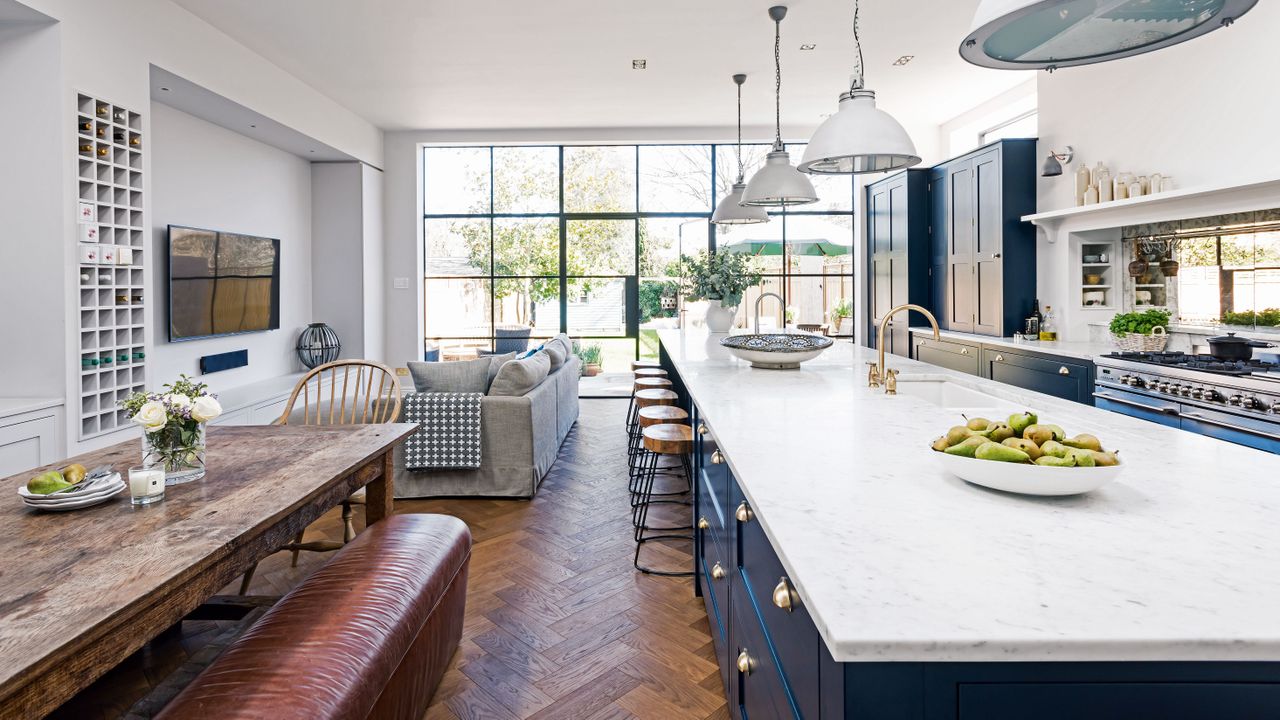
The role of the kitchen has dramatically evolved over the past two decades. Once a simple cooking space, today’s kitchens serve multiple functions, from hosting family gatherings to acting as a workspace. In light of these changes, many homeowners continue to rely on outdated kitchen design principles. An expert with over 26 years of experience in home design offers essential insights on how to create a kitchen that meets modern needs while remaining functional and inviting.
The modern kitchen must accommodate a variety of activities, including meal preparation, homework, and social gatherings. As highlighted in the latest Kitchens Issue, kitchens no longer operate solely as cooking areas; they now incorporate elements of living and dining spaces. With this shift in use, homeowners are encouraged to rethink traditional kitchen design rules.
1. Embrace the Concept of a Second Kitchen
As the demands on kitchens increase, the design challenge lies in balancing functionality with aesthetics. To address the messiness of food preparation, many luxury homes are reintroducing second kitchens, also known as sculleries. This allows for food prep and cleanup to occur out of sight, ensuring that the primary kitchen remains tidy and ready for entertaining.
Additionally, the resurgence of the pantry has made it easier to store essential items without cluttering the main kitchen space. Such innovations emphasize the importance of separating working areas from entertaining zones, making the kitchen more enjoyable and functional.
2. Rethink the Kitchen Triangle
The traditional kitchen triangle—comprising the sink, hob, and refrigerator—has long been a cornerstone of kitchen design. While effective in smaller spaces, this principle can be restrictive in larger kitchens. Homeowners are encouraged to prioritize natural light, open space, and views over rigid adherence to the triangle rule.
Today’s larger kitchens feature diverse appliances and require a design that promotes a fluid, spacious environment. Instead of focusing solely on efficiency, the aim should be to create areas that support various activities and encourage social interaction.
3. The Power of Kitchen Islands
Kitchen islands have become a staple in modern design, serving as both functional workspaces and social hubs. They provide additional counter space for informal meals and gatherings, enhancing the overall kitchen experience. For optimal flow, a minimum of four feet of clear space around the island is recommended.
If a full island is impractical, consider a peninsula layout that creates a natural division between cooking and social zones. Planning for electrical and plumbing needs is essential if incorporating appliances into the island.
4. Limit Wall Units for Openness
While wall units offer valuable storage, they can also create a cramped atmosphere in the kitchen. To foster a sense of openness, homeowners are advised to minimize wall cabinetry in favor of designs that prioritize natural light and spatial flow.
By keeping one wall free of units, the kitchen can feel more inviting and less cluttered. Treating the kitchen as a living space allows for a design that emphasizes relaxation and enjoyment, rather than merely functionality.
5. Size Matters: Maximize Kitchen Space
When designing a kitchen, maximizing space should be a priority. A larger kitchen can accommodate a variety of functions, from cooking to entertaining, and can even serve as a self-contained living area. Homeowners are encouraged to think beyond traditional kitchen sizes, aiming for spaces that are three times larger than those they may have grown up with.
A well-designed kitchen can transform daily living and provide a versatile environment for various activities.
6. Consider Non-Visual Design Elements
Successful kitchen design goes beyond visual aesthetics; it must also account for sound, light, and smell. Noise can disrupt multitasking, so careful placement of devices like televisions is crucial. Similarly, kitchens can produce strong odors, necessitating effective ventilation solutions like extractor fans and windows for fresh air.
Lighting design is another critical aspect that should adapt to different activities. Task lighting is essential for cooking, but softer lighting may be preferable for social gatherings, requiring thoughtful planning to achieve the right ambiance.
7. Keep Counters Clear
Countertop appliances can contribute to visual clutter, detracting from the kitchen’s appeal as a living space. Homeowners should strive to keep surfaces clear, allowing the kitchen to feel more spacious and inviting. Practical storage solutions can help manage appliances that are not in daily use, enhancing the overall aesthetic.
In summary, a modern kitchen should balance functionality, style, and daily living. By incorporating thoughtful design elements—from islands to clear counters—homeowners can create a space that is not only practical but also the heart of the home.