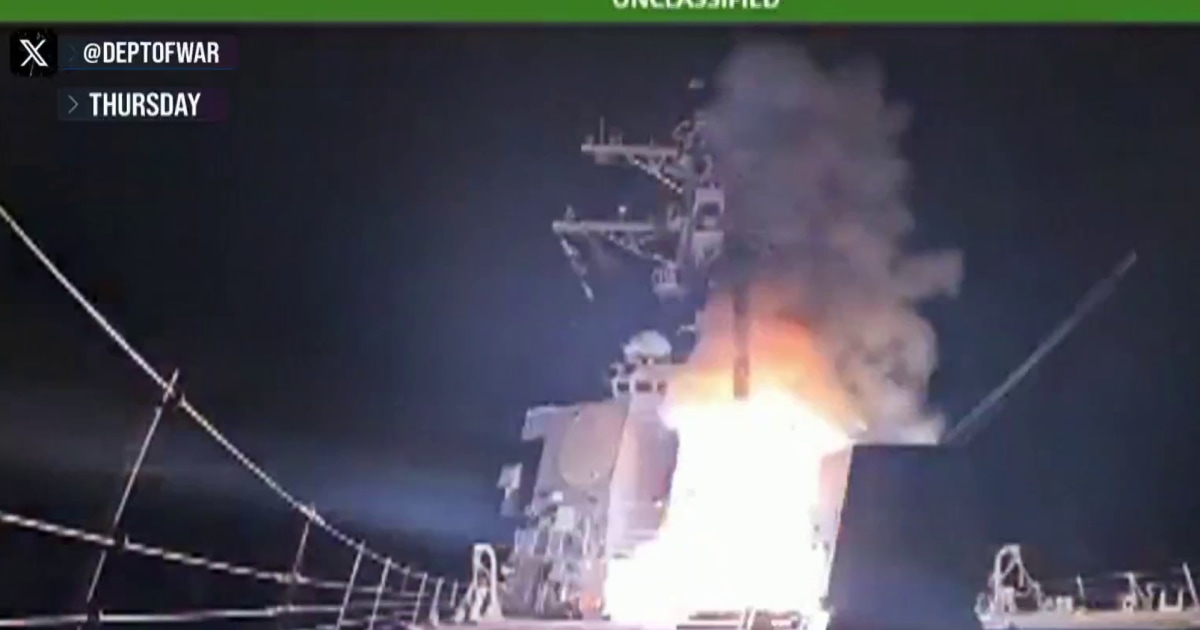
The United States conducted unexpected airstrikes against ISIS targets in Nigeria on December 25, 2025. This military action was prompted by accusations from President Joe Biden that ISIS militants have been “slaughtering” Christians in the region. The strikes aimed to disrupt the terrorist group’s operations and protect vulnerable communities amidst ongoing violence.
The decision to execute these strikes highlights the Biden administration’s commitment to combating terrorism and supporting religious minorities. In recent months, there have been increased reports of violence against Christians in Nigeria, particularly in the northern and central regions where ISIS-linked groups have claimed responsibility for numerous attacks.
The airstrikes were coordinated with Nigerian forces, enhancing their efforts to eliminate ISIS strongholds. According to military sources, the strikes targeted specific locations where militants were believed to have been preparing for further assaults on local populations.
International Response and Ongoing Conflicts
In a related diplomatic move, President Biden is set to host Ukrainian President Volodymyr Zelenskyy for peace talks on December 30, 2025. These discussions will focus on the ongoing conflict in Ukraine, particularly in light of recent escalations. Biden’s administration is keen to strengthen alliances and address geopolitical tensions that have been exacerbated by various conflicts around the globe.
The timing of the military actions in Nigeria and the upcoming talks with Ukraine illustrates the Biden administration’s multifaceted approach to foreign policy. The U.S. is addressing threats from terrorism while also seeking to stabilize relations in Eastern Europe, where Russian aggression continues to pose serious challenges.
Humanitarian Impact and Future Actions
The humanitarian situation in Nigeria remains dire, with countless civilians affected by the violence. The U.S. has expressed a commitment to not only combat terrorism but also to provide assistance to those displaced by the conflict. Reports indicate that many communities are in urgent need of food, shelter, and medical care.
The airstrikes on Christmas Day serve as a reminder of the complex interplay between military action and humanitarian needs. As the Biden administration navigates these challenges, it is likely that further discussions will be held on how to balance military interventions with support for affected populations.
Moving forward, the international community will be watching closely to see how the U.S. manages its military engagements and diplomatic efforts. The stakes are high, with lives on the line and the potential for broader regional instability.