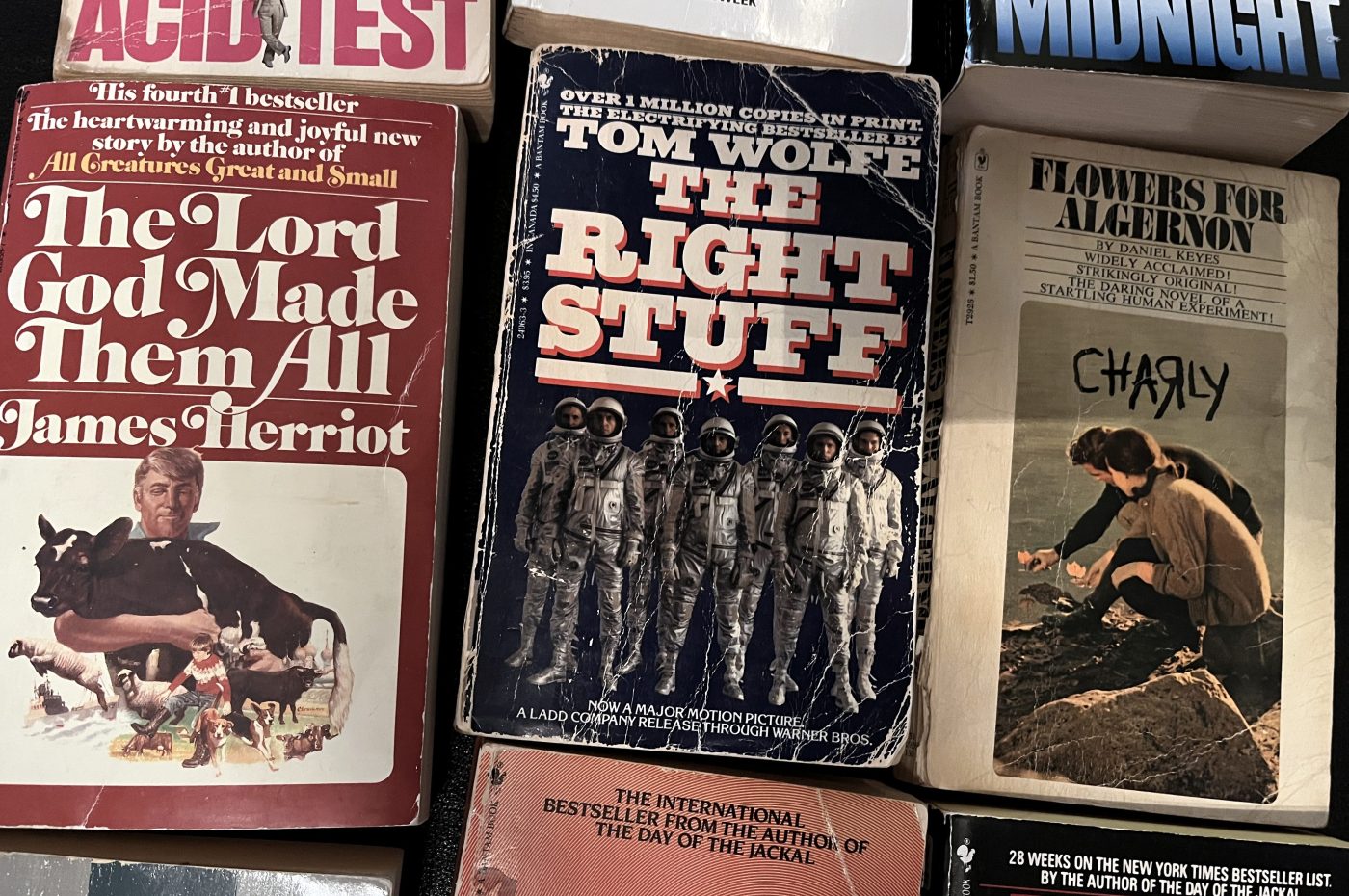
The mass market paperback, a staple of the book industry for decades, will face its final chapter as ReaderLink, a major book distributor, announced it will cease distribution of these popular titles by the end of 2025. According to Publishers Weekly, this marks a significant decline for a format that has steadily lost traction in recent years.
Several factors contribute to the decline of mass market paperbacks. The shift toward trade paperbacks, which are often cheaper to design and manufacture, has diminished the appeal of mass market editions. Additionally, the closure of numerous retail outlets that traditionally stocked mass market titles has reduced their availability. The rise of e-books has further accelerated this decline, as readers can now easily purchase popular genre novels digitally.
Decline of a Cultural Icon
The disappearance of mass market paperbacks may resonate more with older generations, as the format has evolved significantly over the past several decades. For instance, when Northbrook’s The Book Bin, co-founded in 1971, expanded in the mid-1970s, it dedicated an entire section to mass market titles. Iconic books like Peter Benchley’s “Jaws,” which sold an astonishing 11 million copies within six months of the film’s release, were commonplace on the distinctive wire racks found in drugstores and grocery stores.
Mass market paperbacks were once celebrated for their portability and affordability, often catering to readers of bestsellers, mysteries, romances, and movie adaptations. Publishers like Ballantine, Bantam, and Signet thrived on this demand, with mass market editions serving as a badge of honor for many books following their hardcover runs.
Despite their designed disposability, mass market paperbacks have proven to be remarkably resilient. Many readers, including John Warner, author of “More Than Words: How to Think About Writing in the Age of AI,” have cherished their well-worn copies. Warner recalls acquiring multiple titles for a history of the novel course for just $28 at a used bookstore, illustrating the format’s affordability and appeal.
The Future of Reading
The decline of mass market paperbacks indicates broader shifts within the publishing industry. Increasingly, hardcover books that fail to meet specific sales thresholds are not seeing a paperback release, signaling a shift in consumer preferences and industry practices. The result is a significant loss of access to affordable literature for many readers.
While the mass market paperback may be on the brink of extinction, there is optimism for its potential revival. Just as vinyl records have seen a resurgence in popularity, some believe that the charm of mass market paperbacks, with their unique history and cultural significance, could one day reclaim their place in the literary world.
As the industry evolves, readers and authors alike will undoubtedly feel the impact of this transition. With the farewell to mass market paperbacks, the landscape of literature continues to change, reflecting both the challenges and opportunities in the world of books.