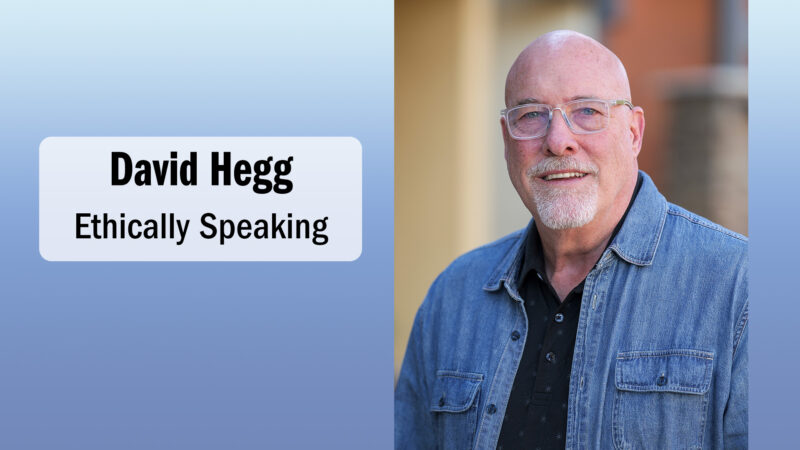
UPDATE: David Hegg, senior pastor of Grace Baptist Church, urgently addresses a troubling trend in American society: the erosion of trust and critical thinking in the wake of COVID-19. In a thought-provoking opinion piece published today in the Santa Clarita Valley Signal, Hegg highlights how skepticism has gripped the nation, impacting our ability to discern truth from misinformation.
As skepticism grows, many Americans find themselves questioning the reliability of information regarding the virus’s origins, mask efficacy, and vaccine safety. Hegg emphasizes that this skepticism has intensified, creating a dangerous divide in how people consume news. “We’ve become a nation of skeptics,” he warns, stressing that this trend challenges our collective understanding of reality.
The consequences of this skepticism are profound and immediate. Hegg points out that as political divides deepen, individuals are more likely to accept information that aligns with their beliefs while dismissing opposing viewpoints. This “my side is always true” mentality is eroding the critical thinking framework necessary for informed decision-making.
In his column, Hegg identifies a worrying pattern: people are increasingly drawn to news sources that reinforce their views, such as Fox News and MSNBC. The polarized media landscape exemplifies this shift, with outlets like the New York Times and the Wall Street Journal facing scrutiny based on viewers’ political affiliations. He argues that this selective trust in information is leading to a societal crisis of rational discourse.
Hegg urges readers to adopt a more skeptical approach to information consumption. He offers several actionable recommendations: disregard bias indicators like personal attacks, insist on verifiable facts, and engage with diverse news sources. “Break out of your habit of only listening to the news source that makes you feel the best,” he advises, highlighting the importance of understanding complex, fact-based reporting versus opinion-driven narratives.
As we near the start of a new year, Hegg calls for collaboration across political divides. He emphasizes the importance of focusing on nonpartisan issues that can improve communities, urging residents to engage in constructive dialogue rather than perpetuating divisive rhetoric. “If we believe we are one nation under God, indivisible, we must stop demeaning the other tribe,” he states, expressing hope that 2026 will bring clarity and progress.
This urgent message is not merely a critique but a rallying cry for Americans to reclaim their trust in information through critical thinking and open-mindedness. Hegg’s reflections serve as a reminder that the future of informed discourse hinges on our ability to engage with differing viewpoints while seeking the truth.
As the nation grapples with these issues, the importance of dialogue and understanding has never been more pressing. Stay tuned as we continue to cover the evolving landscape of trust and information in America.