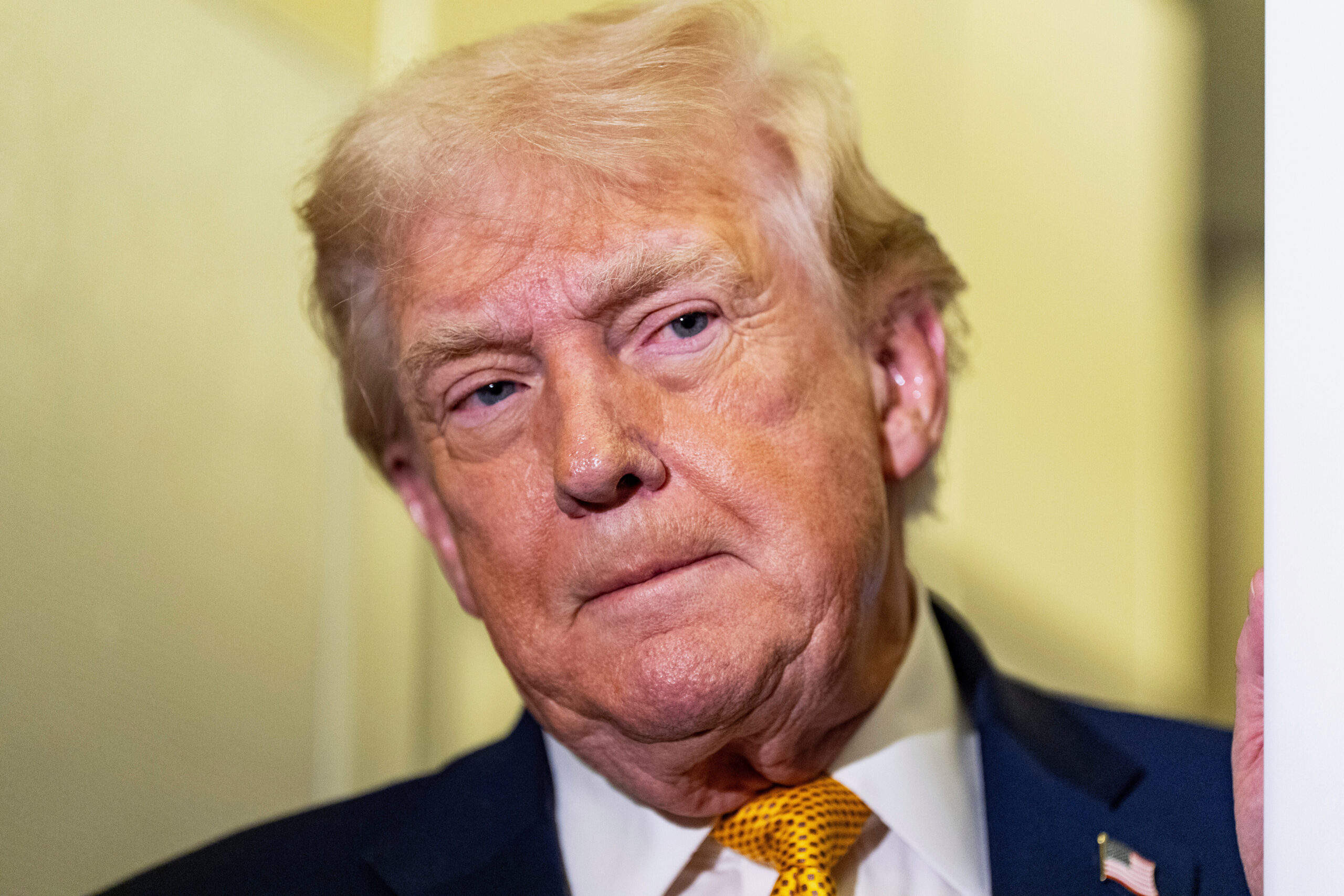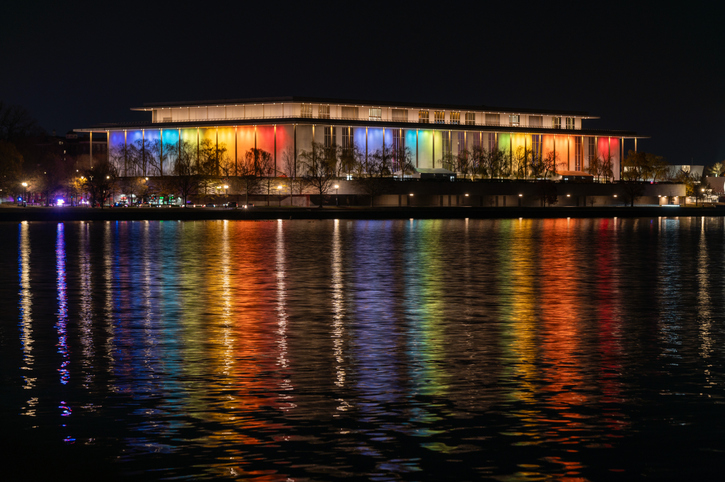
Efforts to reshape the Kennedy Center by former President Donald Trump have taken an unexpected turn as a writer from the animated series South Park has acquired domain names associated with a potential “Trump Kennedy Center.” This move, reported by Variety, reflects the ongoing cultural clash surrounding the arts institution and Trump’s attempts to leave a personal imprint on it.
Trump has openly expressed his desire to enhance the Kennedy Center, suggesting upgrades that include the addition of “marble armrests” he described in a post on Truth Social as “unlike anything ever done or seen before.” In a proactive step, the South Park writer purchased several domains, including trumpkennedycenter.org, effectively preempting what many believed would be a significant branding initiative. The website features a satirical landing page that pokes fun at Trump’s branding ambitions, turning a prestigious cultural institution into a source of humor.
The acquisition of these domain names is legal and relatively low-cost, yet it underlines the rapid evolution of political branding in the digital age. While Trump’s supporters focus on symbolic gestures regarding names and aesthetics, critics question whether these efforts genuinely reflect an interest in arts funding and governance.
Satire Meets Politics
The involvement of a writer from South Park adds a layer of irony to the situation. Known for its sharp critique of American culture and politics, the series has been vocal in its satire of the current administration. Although the domain purchases appear to be a private initiative, they signify how the dispute over the Kennedy Center has become a target for public satire.
This incident illustrates how cultural conflicts increasingly play out online, where the control of names and domains can be just as influential as formal decisions. Currently, several lawsuits are underway to challenge the legality of renaming the landmark. As it stands, the notion of a Trump-associated Kennedy Center is more prevalent in web addresses and social media than in any official policy.
The future use of these domains remains uncertain. They may be redirected, held for potential campaigns, or left inactive. Regardless, the ongoing struggle over a prominent performing arts institution now includes a digital landscape, with humor emerging even before any formal branding efforts have begun.
This episode not only highlights the current cultural tensions surrounding the Kennedy Center but also reflects the broader implications of digital branding in political discourse. As the battle continues, observers will likely witness how cultural institutions can become intertwined with personal branding efforts and public satire.