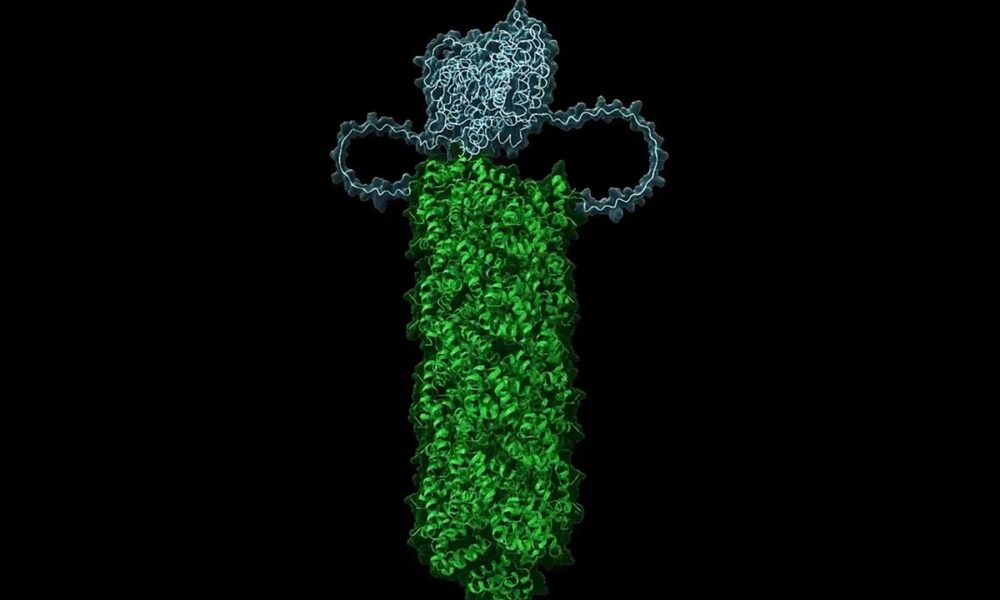
Researchers from Kyushu University in Japan have introduced a groundbreaking computational method known as ddHodge, designed to unravel the intricate dynamics governing how cells determine their fate. This novel approach promises to enhance our understanding of cellular decision-making processes, which are crucial in fields such as developmental biology and regenerative medicine.
The ddHodge method allows scientists to reconstruct the multifaceted interactions and signals that influence how cells choose to differentiate into various types. By leveraging advanced computational techniques, researchers can now capture the complexity of cellular behavior in a way that was previously unattainable. This development represents a significant step forward in cell biology, as it enables a more precise analysis of the mechanisms involved in cell fate determination.
Understanding Cell Fate Dynamics
Cell fate decisions play a vital role in processes ranging from embryonic development to tissue repair. Traditionally, studying these decisions has posed challenges due to the dynamic nature of cellular environments. The ddHodge method addresses this issue by utilizing algorithms that can analyze large datasets generated from single-cell experiments.
According to the research team, the method not only reconstructs the pathways that guide cell fate but also provides insights into the timing and conditions under which these decisions occur. This level of detail could pave the way for advancements in regenerative therapies, where understanding how to direct cell fate is essential for developing effective treatments.
The implications of this research extend beyond basic biology. For instance, it could significantly impact cancer research, where aberrant cell fate decisions often lead to tumor formation and progression. By better understanding these processes, scientists may be able to devise strategies to manipulate cell behavior, potentially leading to novel treatment approaches.
Future Prospects and Applications
The introduction of ddHodge comes at a time when the demand for sophisticated analytical tools in biology is higher than ever. The ability to model and predict cell behavior could revolutionize how researchers approach various medical challenges. The team at Kyushu University is currently exploring collaborations with other institutions to apply this method across different biological contexts.
As more researchers adopt ddHodge, its potential applications will likely expand, allowing for deeper explorations into areas such as stem cell research and tissue engineering. The hope is that by unlocking the secrets of cell fate decisions, scientists will be better equipped to harness cellular power for therapeutic purposes.
The findings will be detailed in an upcoming publication, set to appear in a leading scientific journal in November 2023. This release is anticipated to attract significant interest from the global scientific community and could serve as a catalyst for further advancements in the field of cell biology.
In summary, the ddHodge method represents a promising leap forward in our understanding of cellular dynamics, with the potential to influence a broad array of biomedical applications. As researchers continue to explore this new frontier, the impact on science and medicine could be profound, offering new insights into the fundamental processes that govern life itself.