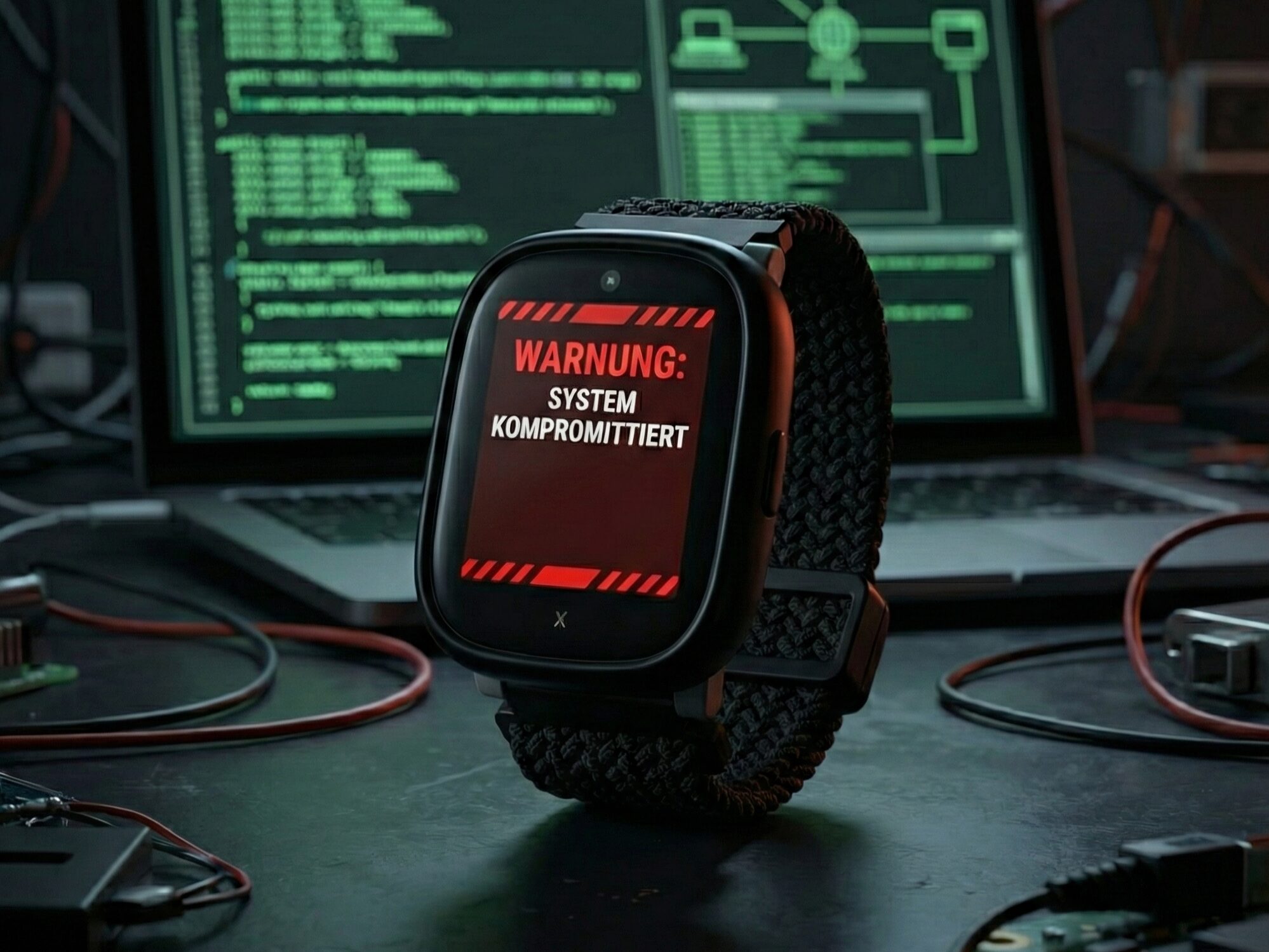
Researchers at TU Darmstadt have successfully hacked Xplora smartwatches, raising significant concerns about the security of devices aimed at children. The findings indicate that all units share the same encryption key, making them vulnerable to unauthorized access. This discovery has sparked a broader conversation about the safety of wearable technology designed for young users.
The security analysis revealed that attackers could potentially track users’ locations and manipulate the devices to send unsolicited messages. This flaw affects a wide range of models produced by Xplora, a company known for its child-friendly smartwatch features. The implications of this vulnerability extend beyond technical concerns, as parents rely on these devices for safety and communication with their children.
Details of the Security Breach
The research conducted by TU Darmstadt involved a thorough examination of the Xplora smartwatch’s architecture. The team discovered that the encryption key used for all devices was identical, a critical oversight that could lead to various forms of exploitation. According to the researchers, an attacker with basic technical skills could gain access to sensitive data and track the device’s location in real time.
In their report, the researchers emphasized that the issue stems from a lack of unique identifiers for each smartwatch. This flaw not only poses a risk to individual users but could potentially allow for mass-scale attacks. The analysis has prompted calls for Xplora to improve their security protocols to protect their young users more effectively.
Industry Response and Future Implications
The findings have drawn attention from cybersecurity experts and industry analysts alike. Many are urging manufacturers to adopt stricter security measures for connected devices, particularly those aimed at children. With the rise of the Internet of Things (IoT), ensuring the safety of smart devices is becoming increasingly critical.
Xplora has yet to release an official statement addressing the vulnerabilities identified by TU Darmstadt. The company’s response will likely determine the future of its products and the trust parents place in them. Experts suggest that immediate action is necessary to rectify the identified flaws, not only to protect users but also to maintain the brand’s reputation in a competitive market.
As technology continues to evolve, the challenges of securing children’s devices will remain a pressing issue. Parents must stay informed about the products they choose for their children, while manufacturers need to prioritize user safety in their designs. The case of Xplora serves as a reminder of the importance of robust security measures in the era of connected devices.