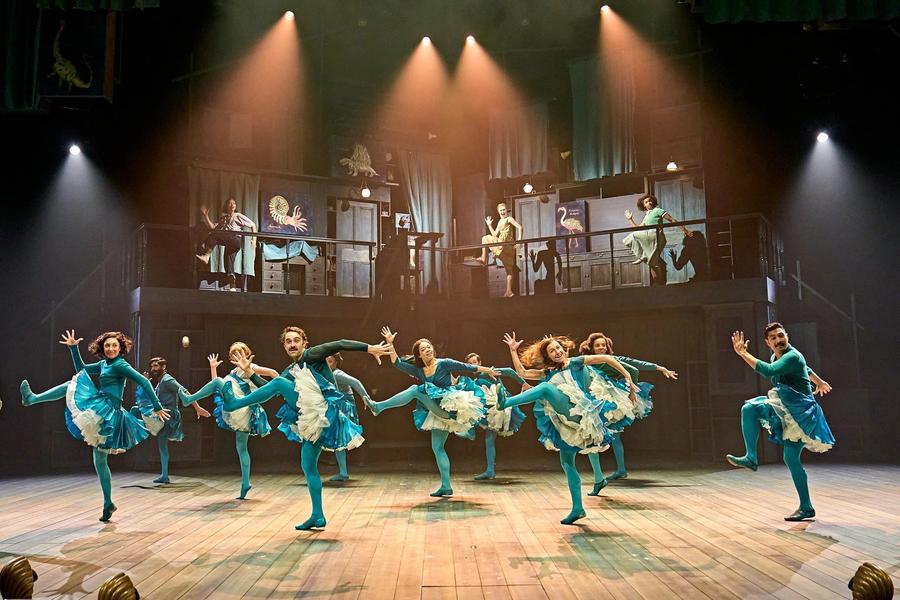
BREAKING: A fascinating intersection of culture and history unfolded as the play Ballet Shoes captivated audiences at the National Theatre, while significant discussions on antisemitism took center stage at Downing Street. The emotional impact of these events resonates deeply in today’s climate.
The performance, directed by Katy Rudd, brought to life the story of the Fossil sisters, enchanting both children and adults alike—especially an 11-year-old boy who found himself completely immersed in the tale. With elements like flying fairies and a classic Citroën DS car, the production showcased vibrant choreography that left audiences buzzing with energy.
Meanwhile, the candle lighting event at Downing Street, attended by Jewish community leaders including Chief Rabbi Ephraim Mirvis and political figures like Keir Starmer, highlighted ongoing issues surrounding antisemitism. Over hundreds queued for security checks, underscoring the heightened tensions as Rabbi Mirvis addressed the gathering without directly confronting the urgent issues of rising hate speech.
In a sobering reflection, the Rabbi did not shy away from acknowledging the gravity of recent antisemitic incidents, including the inflammatory rhetoric surrounding protests, which have surged since the tragic events of October 7.
“Why doesn’t hate speech legislation cover phrases like ‘globalize the intifada’?”
raised concerns about the effectiveness of existing laws.
The day after the ceremony, the head of the Metropolitan Police announced intentions to ban certain hateful phrases, sparking questions about enforcement and the potential ramifications for freedom of speech. The stark reality remains: with tensions boiling, how do authorities plan to manage such a volatile situation without further inflaming passions?
In an unexpected twist, the author’s friend, David, shared his love for a vintage Citroën car, drawing parallels to the rich history of the automobile brand. The Citroën name, rooted in the legacy of Emmanuel Lipmann, highlights a legacy filled with innovation and resilience. Citroën, founded in the early 20th century, revolutionized the automotive industry with groundbreaking production techniques and a commitment to employee welfare.
As David and the author explored antique stores in Chichester, they stumbled upon a watch branded with the name ‘Lip,’ further connecting the dots of history. This discovery echoes the spirit of the Lip factory, which, during its tumultuous past, became a symbol of workers’ rights and solidarity in France.
WHAT’S NEXT? As tensions simmer and the world watches, the dialogue surrounding both cultural heritage and social justice issues continues to evolve. Citizens are urged to remain engaged and informed as authorities navigate this complex landscape.
For more updates on these developing stories, stay tuned and share your thoughts on social media. The urgency of these discussions cannot be understated as we navigate the intersections of culture, conflict, and community in today’s world.