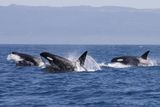
The waters surrounding Hokkaido, Japan, are home to at least two distinct lineages of killer whales, according to recent genetic research published in Marine Mammal Science. This study reveals critical insights into the orcas that inhabit this region, known for its rich marine biodiversity and tourism appeal. Researchers from Kyoto University analyzed the mitochondrial genomes of 25 killer whales, confirming the presence of both resident and transient ecotypes in Hokkaido’s waters.
Understanding Orca Ecotypes
Despite being classified as a single species, killer whales are divided into various populations known as ecotypes, each with specialized diets, hunting methods, and social behaviors. In the North Pacific, scientists recognize three primary ecotypes: the resident orcas, which primarily consume fish; the transient orcas, known for hunting marine mammals; and offshore orcas, which also feed on fish but tend to roam farther from coastal areas.
Although resident and transient orcas can inhabit the same waters, they exhibit minimal interaction. These groups communicate using different vocalizations, target different prey, and have distinct child-rearing practices. The differences between these ecotypes are pronounced enough that scientists have debated whether they should be classified as separate species.
Earlier studies around Hokkaido indicated the presence of both fish-eating and mammal-eating orcas, but the genetic data supporting this was limited. The recent study sought to clarify these classifications through a more comprehensive genetic analysis.
Genetic Insights and Implications
The research team focused on mitochondrial DNA, which is inherited through maternal lines and provides insights into population history and long-term genetic separation. Their findings confirmed that the orcas around Hokkaido indeed consist of two ecotypes: residents and transients, with no evidence of offshore orcas in the area.
The study revealed a striking genetic difference between the two groups. All resident orcas shared the same mitochondrial haplotype, which is the most prevalent in the western North Pacific. In contrast, transient orcas displayed remarkable genetic diversity, with eight distinct haplotypes documented among just 19 individuals, including seven previously unrecorded types. This level of variation surpasses any previously noted in transient killer whales throughout the North Pacific.
Researchers believe this genetic richness is linked to the Last Glacial Maximum, a period when advancing ice sheets significantly altered marine ecosystems. The waters around Hokkaido may have served as a refugium, allowing transient orcas to survive while other populations diminished or shifted their ranges, thus preserving genetic lineages over millennia.
As the researchers combine genetic data with behavioral observations, they emphasize the importance of these findings for conservation efforts. In well-studied orca populations, conservation strategies are often tailored to specific ecotypes, taking into account their differing prey, behaviors, and vulnerabilities.
Around Hokkaido, targeted management has been challenging due to a lack of clear ecological and genetic data. As Momoka Suzuki, the first and corresponding author, stated, “Clarifying the ecological characteristics of killer whales is crucial for achieving coexistence with them, as they are deeply entwined with human activities such as tourism and fisheries in Hokkaido.”
The ongoing investigations into Hokkaido’s orcas not only reveal these remarkable marine predators but also illustrate how climate, evolution, and ecology are intricately linked in shaping life in the ocean. As our understanding deepens, researchers hope to establish more effective conservation strategies that benefit both the orcas and the local communities reliant on their presence.