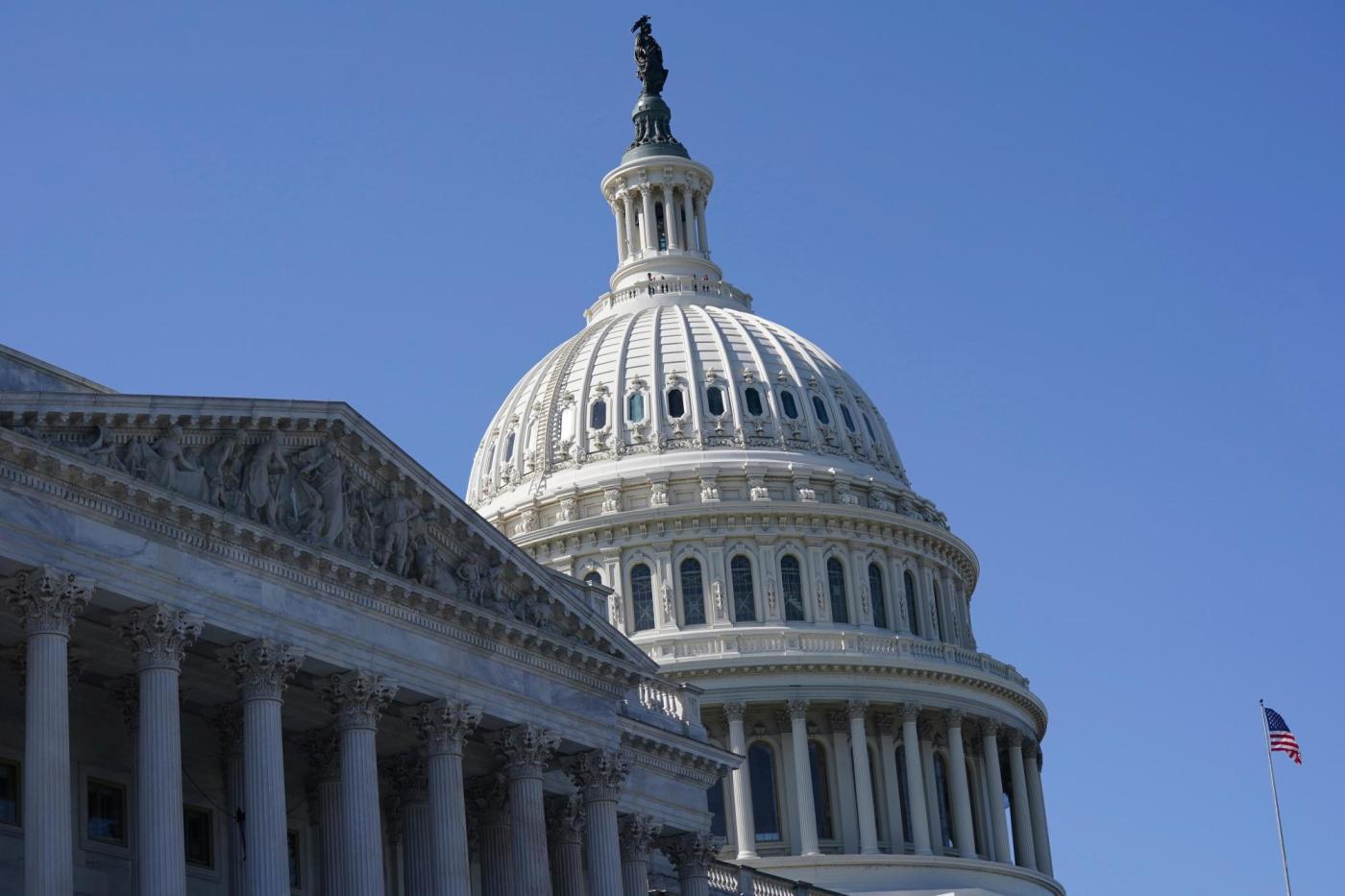
A noticeable drop in legislative activity from Congress has raised concerns among political experts, especially with the midterm elections approaching in 2026. As President Donald Trump has signed a staggering 225 executive orders within the year, Congress has struggled to maintain its legislative momentum, achieving the lowest output in modern history for a new presidential term.
According to reports from The Washington Post, a mere 38 bills had been passed and signed into law by December 19, 2025. This figure marks a significant decline compared to previous administrations, where 76 laws were enacted during Trump’s first year, 68 during Joe Biden’s, and 115 under Barack Obama. Political experts attribute the stagnation in Congress to a risk-averse mentality among lawmakers, particularly as the midterm elections loom.
Congressional Dynamics and Legislative Output
Todd Belt, a political management program director at George Washington University, highlighted the tendency of politicians to avoid provocative actions during election years. “Nobody wants to do anything too provocative during a congressional election year,” he noted. As the political landscape shifts, this aversion to risk impacts both major parties, stalling significant legislative efforts.
Casey Burgat, who oversees legislative affairs at George Washington University, echoed these sentiments, pointing out that even with Republican control of the White House and both chambers of Congress, thin margins hinder effective governance. “Different factions within the controlling GOP share different priorities,” he explained. This fragmentation has allowed Trump to leverage executive orders more frequently, bypassing the legislative process.
The current environment presents challenges for Republican lawmakers, particularly as they prepare for the upcoming midterms. Seth McKee, a politics professor at Oklahoma State University, remarked that even the party’s flagship legislation, dubbed the “One Big Beautiful Bill,” lacks public support. He warned, “If you’re in a deep-red district, you can safely support the president’s policies. However, for those in swing districts, the messaging becomes complicated.”
Implications for the 2026 Midterms
Political observers are watching for potential shifts in voter sentiment. History suggests that the party in power often loses seats in the House during midterm elections, with the sitting president’s party losing in eight of the last ten midterms over the past four decades. For instance, Trump’s Republicans lost 40 House seats in the 2018 midterms. The Cook Political Report currently identifies just 17 out of 435 House seats as toss-ups for the upcoming elections, indicating a competitive but uncertain landscape.
While Democrats may capitalize on the narrative of a “do-nothing Congress,” Burgat cautioned that broader economic sentiments and public opinion on Trump will likely dominate voter motivations in 2026. “It’s going to be about how people feel about the economy and Trump’s overall job performance,” he stated.
Despite the legislative stagnation, experts like Charles Hunt, a politics professor at Boise State University, noted that the GOP’s “One Big Beautiful Bill” contains substantial policy elements. He remarked that Congress has increasingly turned to omnibus legislation, which can obscure the perception of legislative activity. “This effect may make Congress appear less active than it actually is in terms of total policy output,” Hunt said.
As Congress navigates the complexities of governance, the upcoming fiscal year will require lawmakers to pass essential spending bills. Yet, Belt anticipates minimal legislative activity beyond budget-related matters in 2026, with a few exceptions. Potential issues, such as the expiration of Obamacare subsidies or rulings from the Supreme Court affecting Trump’s executive powers, may prompt legislative discussions.
The political landscape remains fluid as Congress grapples with its role in a rapidly changing environment. The interplay between executive action and legislative authority will likely define the months leading up to the midterms, shaping the future of U.S. governance.