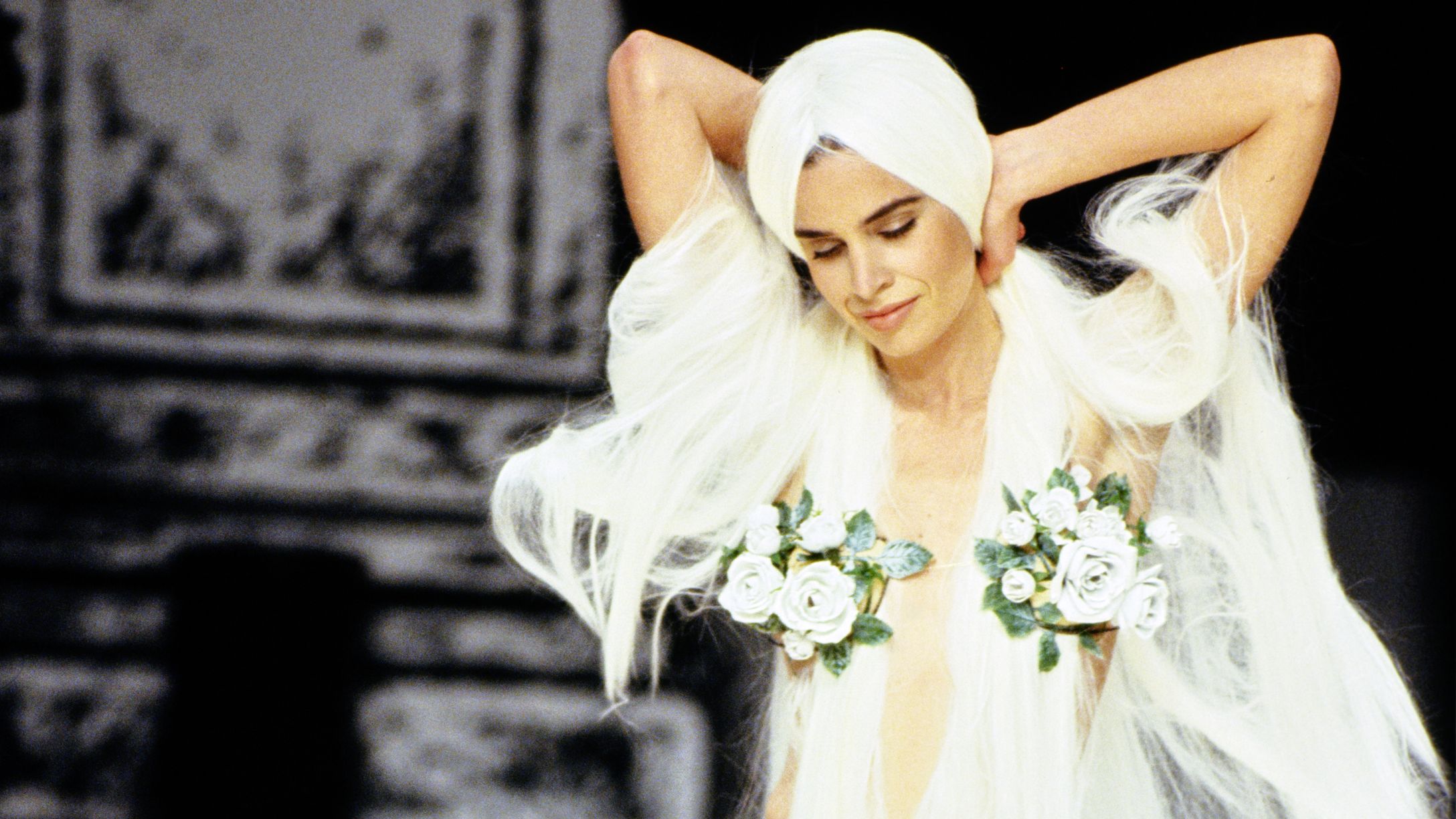
The Spring 1993 Ready-to-Wear collection by Jean Paul Gaultier showcased a bold reimagining of fashion, emphasizing individuality and cultural commentary. Unveiled during the prestigious Paris Fashion Week, this collection not only captivated audiences but also set a precedent for future designers, blending haute couture with street style.
Gaultier’s runway featured a striking array of outfits that challenged conventional aesthetics. Models strutted in garments adorned with unexpected materials and patterns, epitomizing a mix of punk and elegance. The collection included tailored suits, asymmetrical dresses, and signature corsetry, all of which highlighted Gaultier’s innovative approach.
One standout piece was a jacket made entirely of recycled materials, symbolizing a growing awareness of sustainability in fashion. The designer’s commitment to environmental consciousness was evident in several outfits, which incorporated both high-fashion elements and pragmatic designs. The use of vibrant colors and bold prints further illustrated Gaultier’s signature style, often referred to as “the enfant terrible” of fashion.
During the show, which took place in March 1993, the atmosphere was electric. Celebrity models, including Naomi Campbell and Cindy Crawford, graced the runway, drawing substantial media attention. Their presence not only highlighted the collection but also reinforced the importance of diversity in the modeling industry.
Audience reactions were overwhelmingly positive, with many praising Gaultier for pushing boundaries. Fashion critics lauded the collection for its artistic flair and the ability to provoke thought about societal norms. A reviewer from Vogue remarked, “Gaultier’s collection is a celebration of difference, a manifesto for the modern era.” This sentiment echoed the feelings of many attendees who witnessed the transformation of the runway into a platform for self-expression.
The impact of Gaultier’s Spring 1993 collection extended beyond the fashion world, influencing various cultural movements. It encouraged designers to explore themes of identity and politics, marking a shift in the industry’s focus. The collection fostered a sense of empowerment among wearers, allowing individuals to embrace their uniqueness.
As the fashion landscape evolved, Gaultier’s work remained a touchstone for innovation. His ability to blend high fashion with cultural references paved the way for a new generation of designers. The Spring 1993 Ready-to-Wear collection is often remembered as a pivotal moment that challenged the status quo and embraced the spirit of experimentation.
The legacy of this collection continues to resonate today, serving as an inspiration for those who strive to combine fashion with meaningful narratives. As the industry moves forward, Gaultier’s vision remains a guiding light, reminding designers of the power of fashion to provoke thought and inspire change.