Each September, as the new year approaches, the editors at IEEE Spectrum assess emerging technologies that have the potential to address significant global challenges. Their upcoming January 2026 forecast highlights innovative projects that may often be overlooked by mainstream media, which tends to prioritize the personalities behind technology rather than the advancements themselves. This year, the focus shifts to groundbreaking developments in energy storage, medical technology, and wildfire management.
Senior Associate Editor Emily Waltz returns with a compelling story about a new form of energy storage that could reshape how we approach grid management. She recently visited Sardinia to examine the “bubble battery” developed by Milan-based Energy Dome. This innovative system can store up to 200 megawatt-hours of energy by compressing and decompressing pure carbon dioxide within an inflatable dome. Such modular solutions are particularly vital for powering AI data centers, as noted by Senior Editor Samuel K. Moore, who previously reported on gravity energy storage in January 2021.
The concept of using simple yet effective technology to address energy storage challenges is gaining traction. Moore asserts that these bubbles are often more efficient than traditional batteries and are likely to become prevalent in association with computing infrastructures. The potential applications of this technology extend beyond energy, inspiring developments in medical treatments as well.
In a separate yet equally innovative project, HistoSonics is pioneering a non-invasive ultrasound treatment for pancreatic cancer, a disease notorious for its low survival rate. By using focused ultrasound to create cavitation bubbles, the company aims to destroy tumors without harming surrounding tissue. HistoSonics is concluding trials for kidney treatments while preparing to initiate pancreatic cancer trials, potentially offering hope to those affected by this aggressive disease.
The rise of drone technology also remains a focal point for IEEE Spectrum. The publication previously reported on Zipline, a startup that has revolutionized medical supply delivery with autonomous drones. With a current market cap of approximately US $4 billion, Zipline operates in several countries, including Rwanda, Japan, and the United States, having completed nearly 2 million deliveries. Journalist Robb Mandelbaum explores the Wildfire XPrize competition in this issue, which aims to enhance firefighting efforts by employing innovative detection and suppression methods to combat wildfires before they escalate.
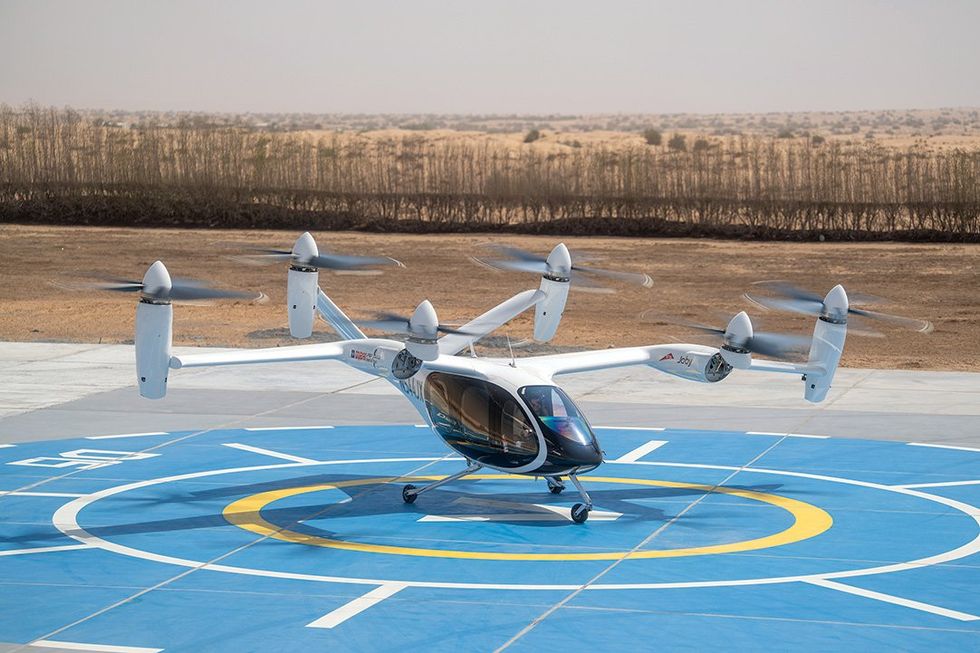
Beyond these highlighted stories, the January 2026 issue will feature additional emerging technologies. Notable mentions include Porsche’s wireless home charger for electric vehicles, the world’s first electric air taxi service, advancements in neutral-atom quantum computers, interoperable mesh networks, and robotic baseball umpires. As these technologies continue to develop, it will be intriguing to see which of these innovations make a significant impact in their respective fields.
In summary, the IEEE Spectrum editors have carefully curated a selection of promising technologies that are positioned to influence various sectors and improve lives globally. As the new year approaches, the focus remains on innovations that genuinely advance technology for the benefit of humanity.